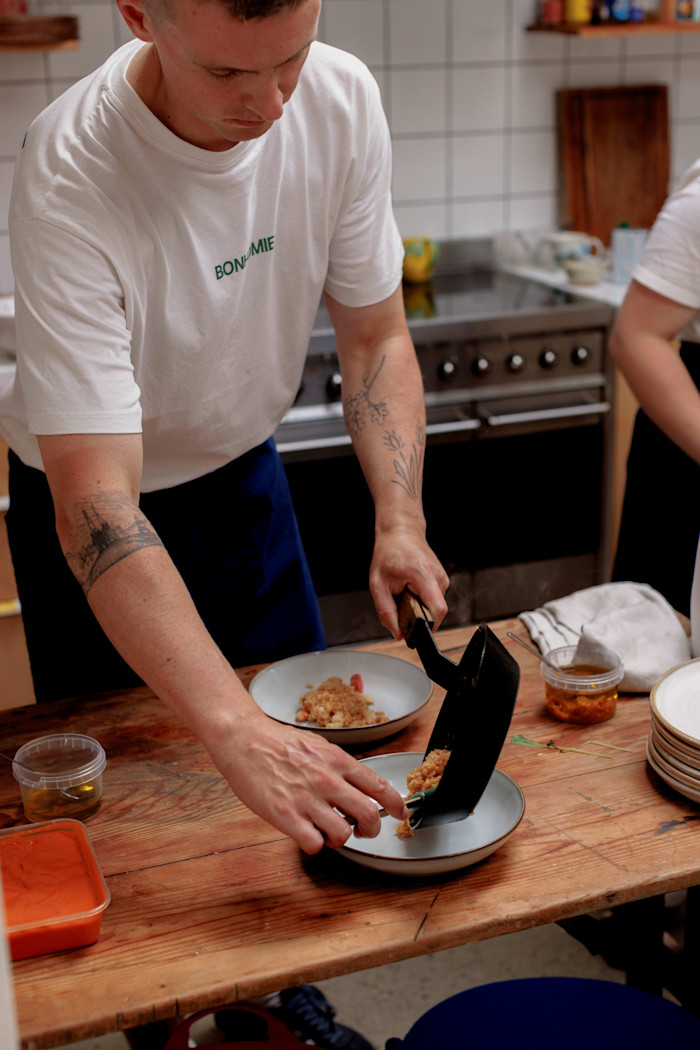
Chef Mark Jennings is rolling out dough for croissants in the basement kitchen of Harnen, a new bakery, café and grocer in the pocket-sized West Cork village of Leap. Thick and grainy, the dough looks more like tweed than the silky sheets I’ve previously seen folded into croissants. When I ask why, Mark explains that Irish wheat is low in gluten, which is what gives dough its elasticity. “I love using native flour for its flavour and low carbon footprint,” he smiles, “but my life would be a lot easier if I didn’t.”
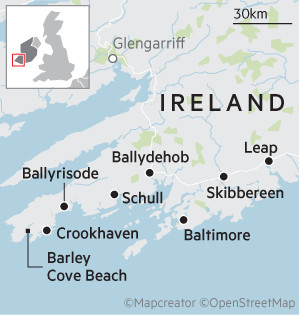
Harnen is my first stop on a food itinerary that’s been organised by Didi Ronan, co-owner with her husband Simon of Native, a small new hotel in the rainbow-coloured coastal village of Ballydehob, 24km west of Leap.
At first sight, this far-flung region, an hour and a half’s drive from Cork airport, with its fuchsia-spangled hedgerows and wildly zigzagging coastline, seems like an unlikely location for a gourmet enclave. But it’s West Cork’s remoteness and unspoilt natural beauty that drew the forebears of the local producers, makers and restaurants in Didi’s black book in the first place.
These “blow-ins” started migrating to West Cork from Dublin, England, Germany, Scandinavia and the Netherlands in the 1960s. Bohemians in search of an alternative, less commercial lifestyle, they set up arts and crafts studios and helped to pioneer Ireland’s organic movement. A little more than a century earlier, the region had been devastated by the Great Famine, losing almost half its population to starvation, disease and migration, and these innovative, community-minded incomers were welcomed with open arms.
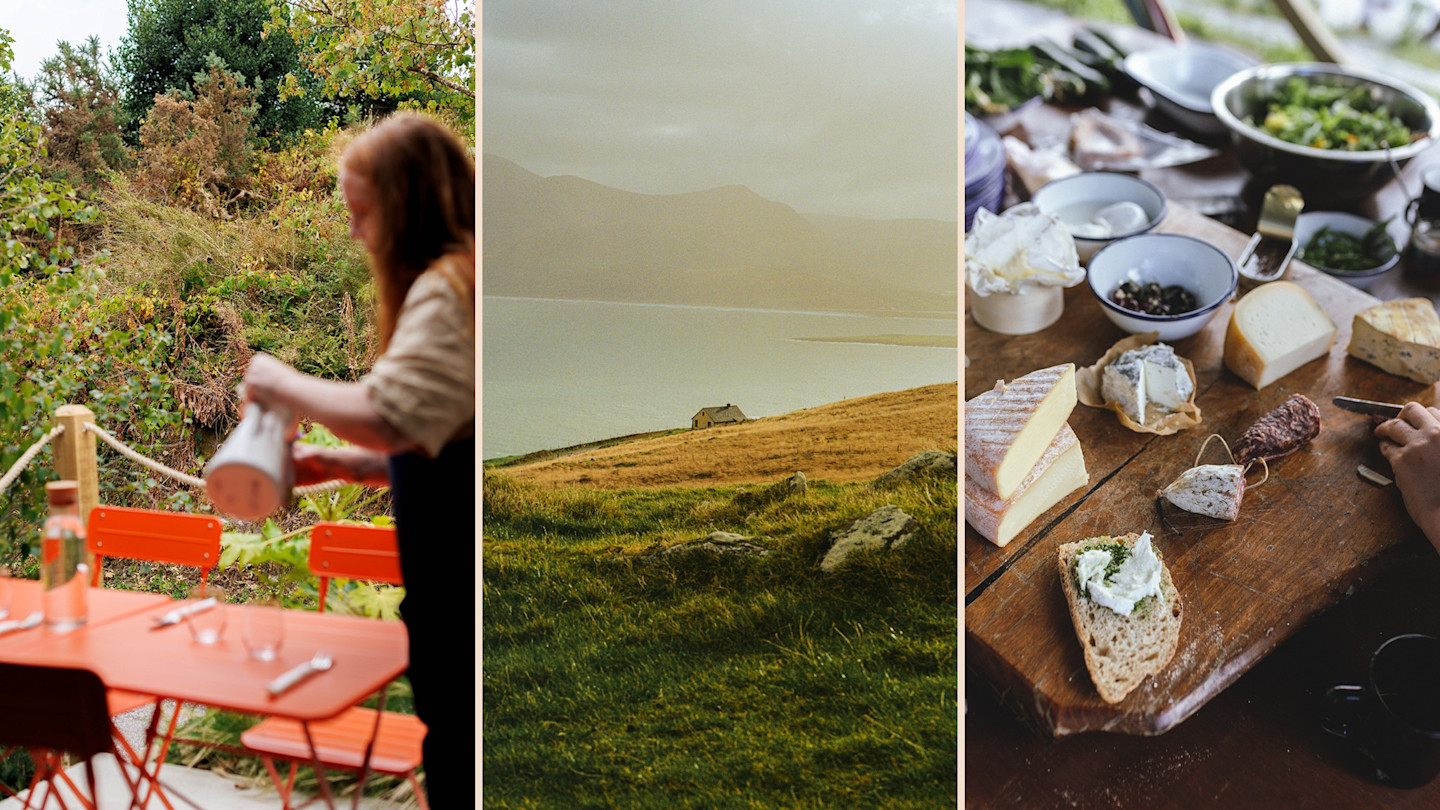
Upstairs at Harnen, I admire the grocery table laden with tomatillos, chillies and padrón peppers grown by Mark’s wife Sadie and tuck into a slice of sublime carrot cake. As I leave the unassuming whitewashed building with its red corrugated-iron roof, I wonder whether Paul Mescal or Saoirse Ronan, two of West Cork’s more recent blow-ins, have popped in for a pastry — both own houses nearby and are often spotted in the area.
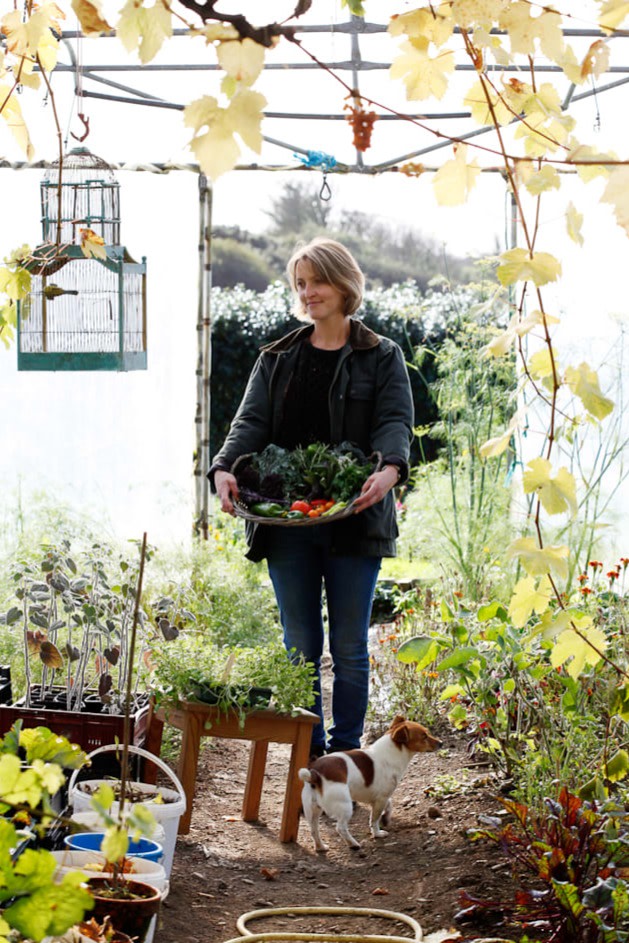
I meet Didi in the candlelit, book-filled reception of Native. The hotel, in a restored 19th-century farmhouse that used to host céilis, is the couple’s first hotel project. Didi previously worked as an economist, diplomat and “chief of staff” to Bono, while Simon, who’d dreamt of moving to West Cork since the age of 12 when he read John Seymour’s The Complete Book of Self-Sufficiency, is a landscape architect.
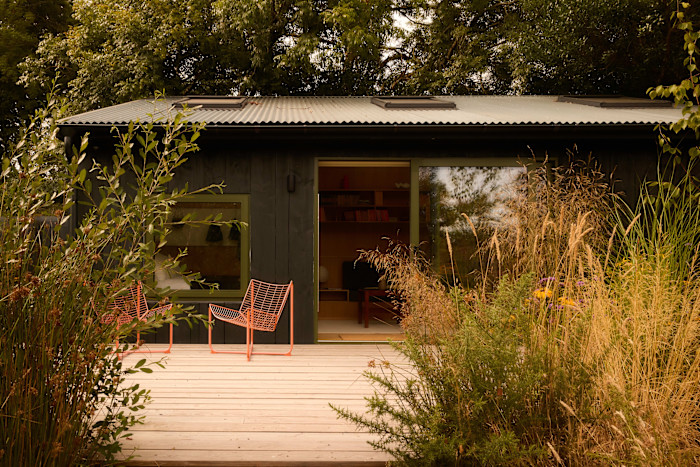
There are three guest bedrooms in the main house and two cabins (plus three more cabins due to open before the end of the year, one with its own sauna). Hidden behind banks of grasses dotted with Rudbeckia and anemone flowers, my cabin, built from local Douglas fir, oak, lime and hemp, is what Didi describes as “Irish vernacular” in style; a deliberate departure, she says, from the “big, old colonial country house hotels” that travellers tend to associate with luxury hospitality here.
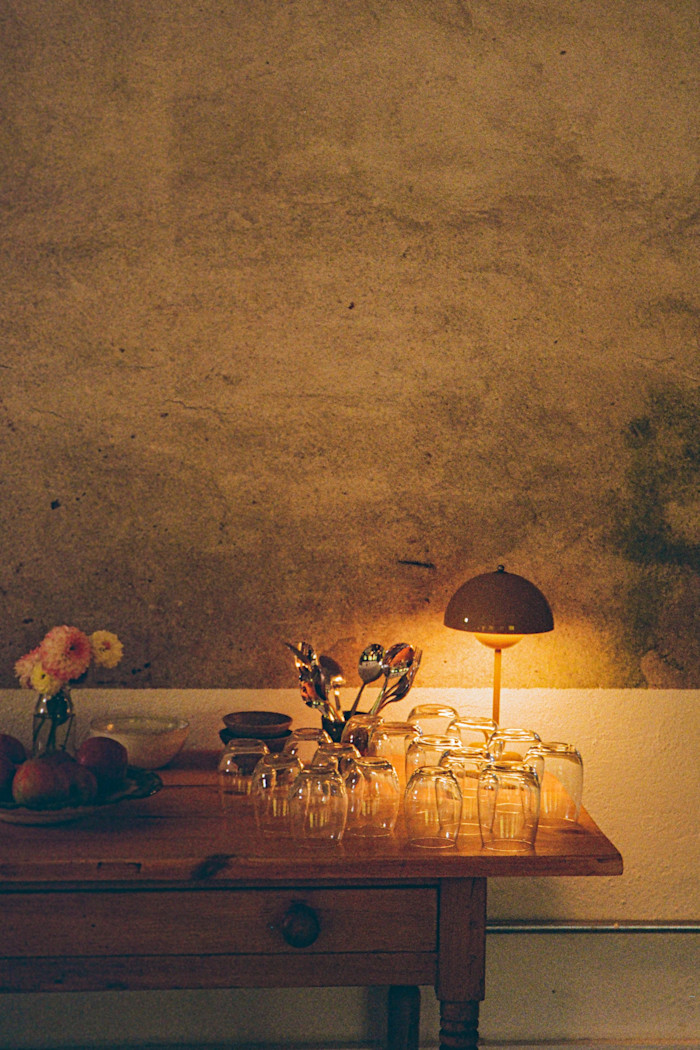
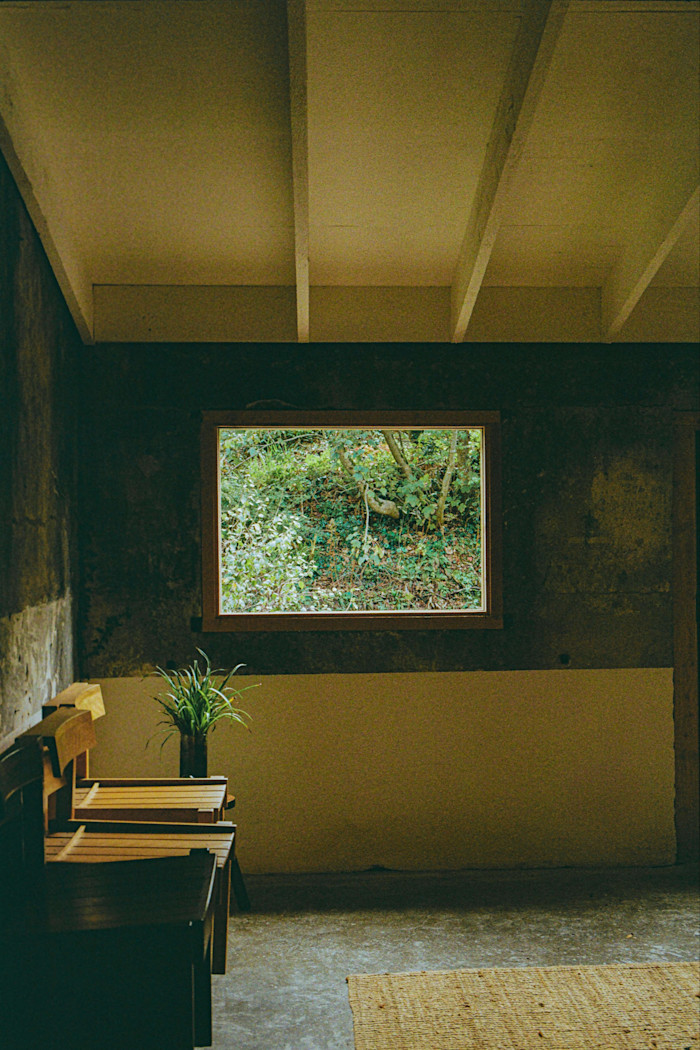
Inside is vintage mid-century furniture by Irish manufacturer Crannac. The shower room’s basin is by local ceramicist Simon Kidd, and the amenities are deliberately analogue: a Roberts radio instead of a television or Bluetooth speaker; a kettle and a Chemex rather than a coffee machine.
Once I’ve unpacked, Didi sends me off to my next appointment, a seaweed-and-herb foraging mission on a sandy bay just east of the village of Schull, where the Fastnet Film Festival takes place each May.
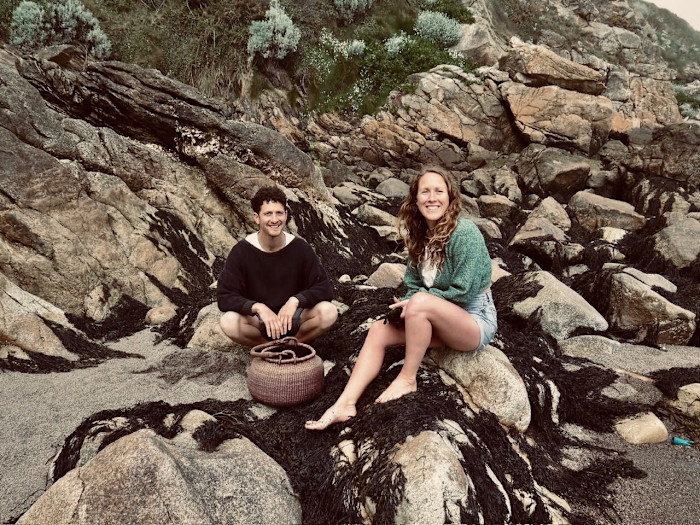
“I love the idea of the intertidal zone, which no one can own,” says Samuel Keane, the seaweed half of the operation, as we drink hedgerow tea, a delicious hawthorn berry, nettle and rose petal concoction brewed by his foraging partner, herbalist Jen Doran. “When the tide is out, you have a six-hour, 12-minute window of opportunity to connect with it in any way you wish.”
The seaside bounty we gather includes míoránach seaweed (good for the skin when steeped in a hot bath); rock samphire, which tastes much more peppery than the regular variety, and carrageen moss, used as a traditional remedy for colds. Above the beach, Jen introduces me to slàn-lus, known as the “health herb” and used to dress wounds, and silver-backed meadowsweet leaves, which she makes into a soothing balm. She’s brought a bottle with her, and I slather the almond-scented oil on my face and hands.
As we part, Samuel nods approvingly when I say I’m eating at Baba’de in the harbour village of Baltimore that evening — he’s foraged alongside its chefs.
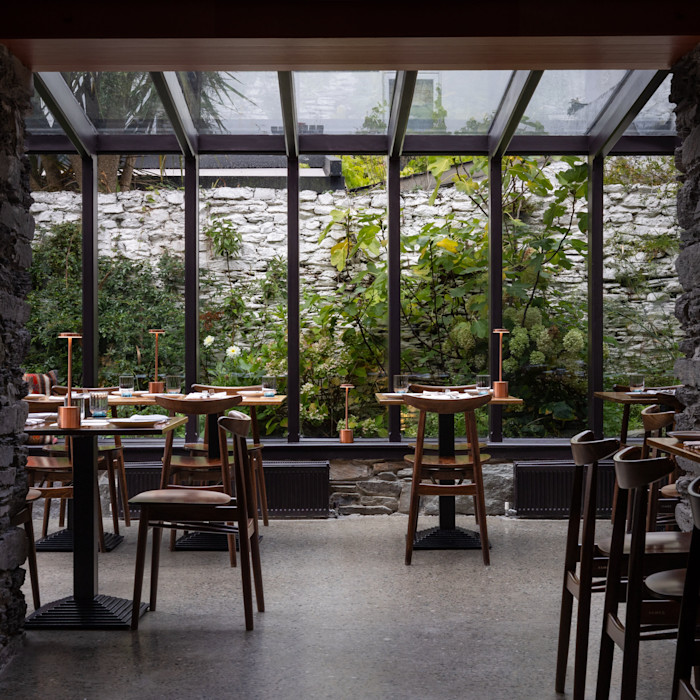
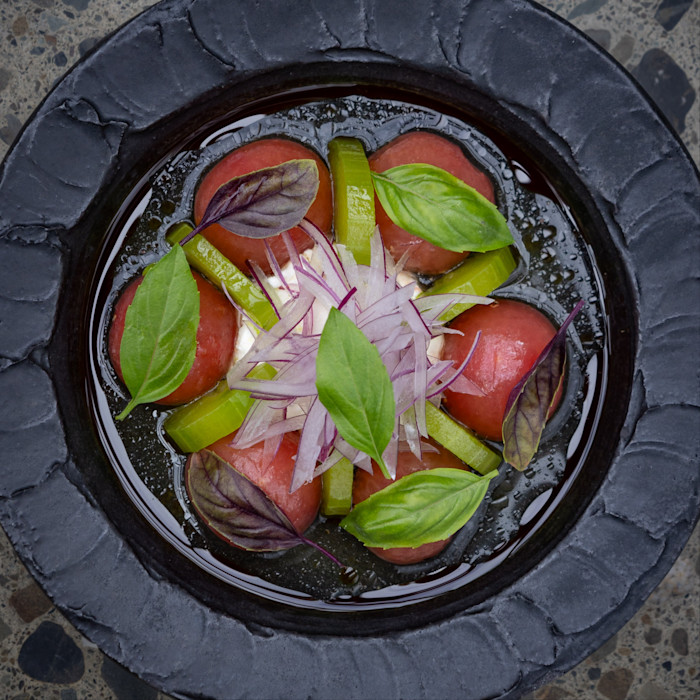
Baltimore has a more grown-up air than the other West Cork villages I’ve visited so far, and the restaurant scene feels a little more evolved, too: the jewel in its crown, Dede, has two Michelin stars. Baba’de is its casual sister restaurant: it has sheepskins draped over chairs and a Turkish-Irish small-plate menu that draws on the heritage of Ankara-born chef Ahmet Dede.
My haddock lakarde (cured haddock with seaweed dashi) and oyster mushroom shawarma, made with foraged mushrooms, are multi-textured and complex in flavour. The annemin sütlacı, which translates as “mother’s rice pudding” and is served warm with hazelnuts and brown butter ice cream, is so deliciously comforting, a customer once ordered it as a starter after a stressful day.
Breakfast at Native, served Scandi-style alongside flickering candles and a wood-burning stove (despite the mild September weather), is a roll-call of West Cork producers: ham from Walsh’s farm and butcher in Skibbereen, eggs from an organic farm in Baltimore — the mini jumper cosies they wear were handknitted in the Aran Islands by an octogenarian. But it’s the washed-rind Gubbeen cheeses I’m most interested in, because the family business that makes them is the next stop on my tour.
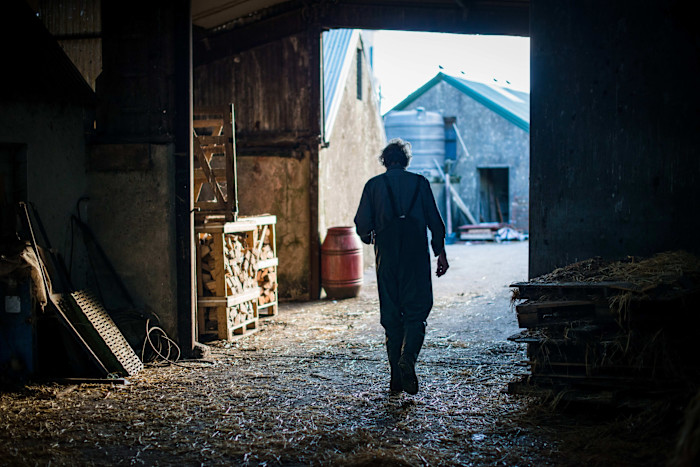
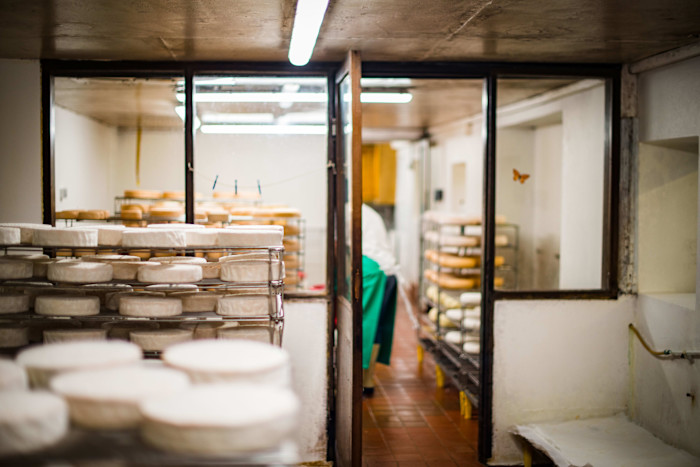
“I’m cotton-mouthed today,” Fingal Ferguson tells me when I find him in his workshop on the 250-acre Gubbeen farm, where he makes cheese with his parents and sister Clovis. His Negroni hangover does nothing to curb his garrulousness, however: he’s soon recounting the advice the postman gave him for conceiving a girl after four sons. Whether he took it is unclear; either way, a daughter materialised.
Fingal and Clovis’s (fourth-generation) dairy farmer father Tom and mother Giana, who grew up in Spain, met in Ballydehob in the 1960s. The farm’s milk had previously been sent to the local creamery co-op to be used in Baileys Irish Cream liqueur, but the couple decided to try to make cheese from it instead.
Today, Gubbeen has 20 staff and produces around 1,500 semi-soft and smoked cheeses a week. We find Giana applying stickers to hand-wrapped “Baby Gubbeen” cheeses in the dairy when Clovis gives me a tour, and I happily help myself to my second wedge of the day. Inspired by Giana’s Spanish upbringing, the Fergusons also produce salami and chorizo, while Fingal’s side hustle is knife-making (his blades are so sought-after he releases them online in limited drops).
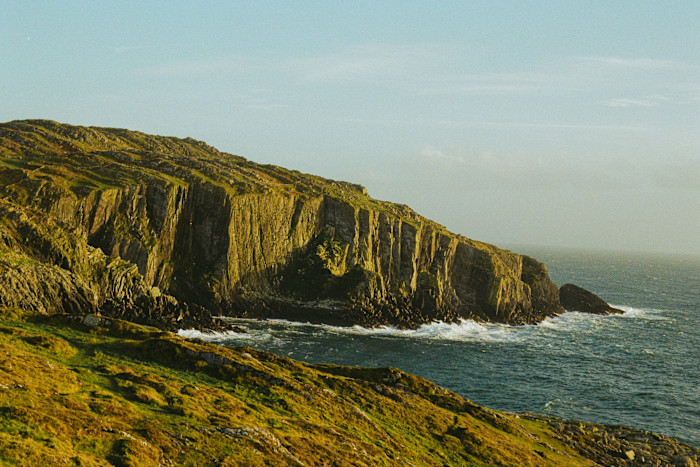
I spend the afternoon exploring the spectacular coastline of the Wild Atlantic Way, pausing at Altar Wedge Tomb, one of a dozen hefty Stone Age structures in the area, and stopping for a gigantic crab sandwich at O’Sullivans in Crookhaven, which claims to offer the most southerly pint in Ireland. When the bartender catches me gazing at my neighbour’s chowder, he brings me a bowl of that, too — on the house.
I pass several ravishing beaches on my drive, including Barley Cove, a broad sweep of sand between the headlands of the Mizen Peninsula, and stop for an invigorating Atlantic swim at Ballyrisode. It’s Friday afternoon and half a dozen people are enjoying the sunshine on the powdery white sand beach and splashing in the chilly water. I skip the Heat Shack sauna (there’s one waiting for me back at Native) and as I walk back to the car, I see a man piling two buckets of seaweed into his boot.
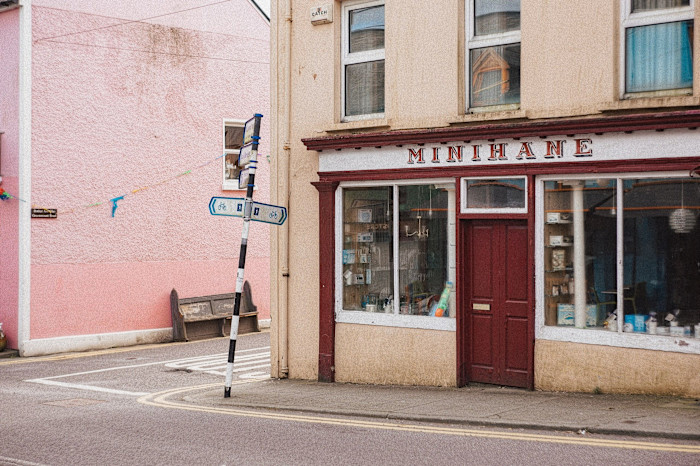
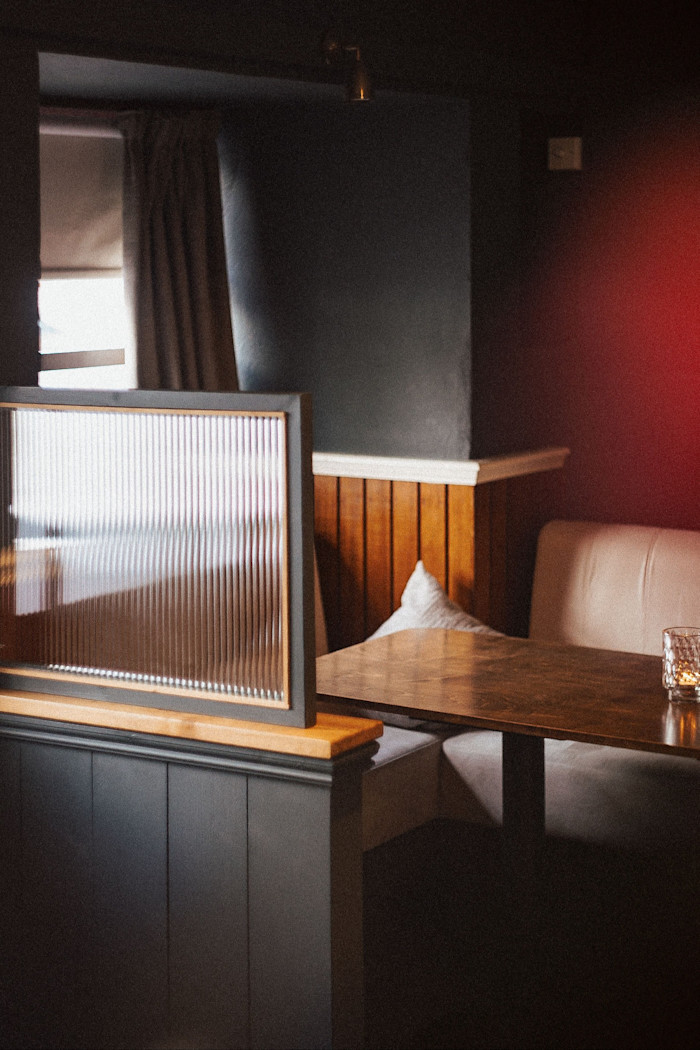
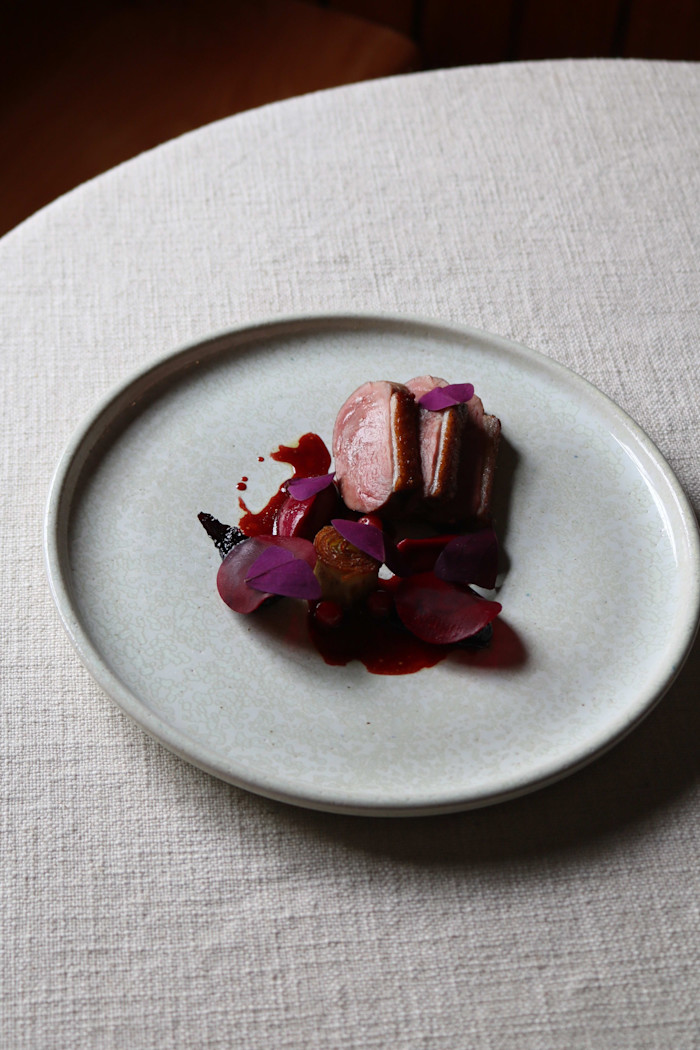
My last evening begins with dinner at Chestnut in Ballydehob, a Michelin-starred seafood restaurant in a former pub. With its deep green walls and minimal furniture, the two-room, eight-table space reminds me of restaurants I’ve eaten at in Copenhagen — I spot the cookbooks of two on a shelf.
Every dish on the four-course tasting menu, served on earthenware pottery by Belgian émigré Anke Barrett, looks and tastes exquisite. My favourite is a slab of wild halibut with butter and chive sauce, dotted with orange trout roe that bursts in the mouth like savoury popping candy.
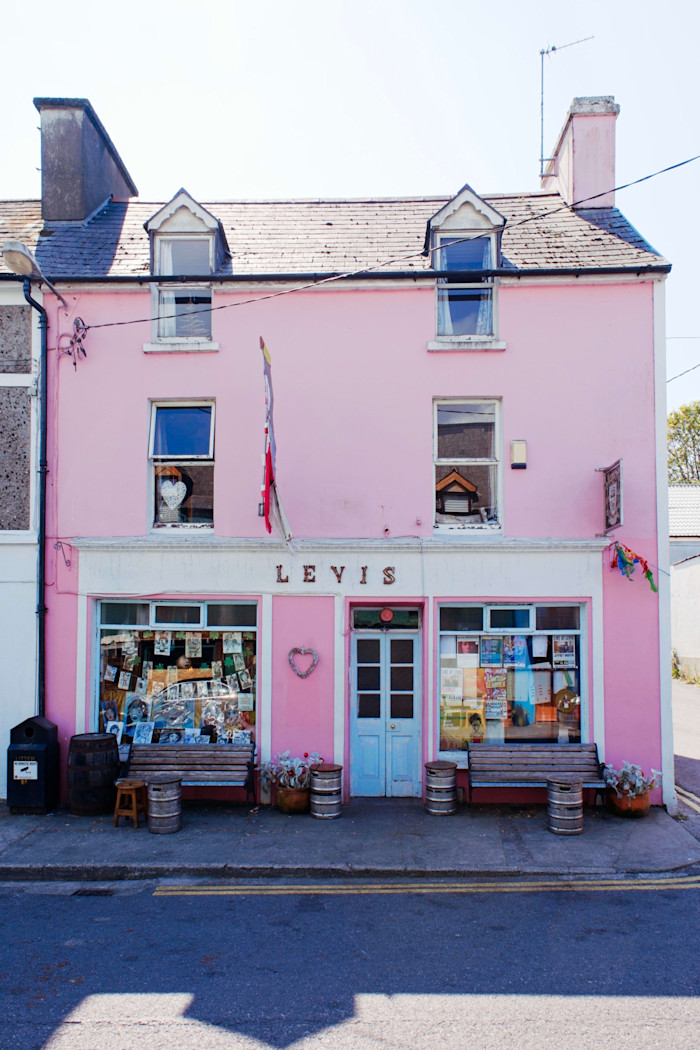
A few doors down is Levis Corner House, a Ballydehob institution. Managed by sisters Julia and Nell for over 50 years (they died aged 96 and 104 respectively), it’s now run by their great-nephew Joe O’Leary and his partner Caroline O’Donnell. The diminutive pub’s cash-only policy hasn’t changed since they took the reins, nor have its maximalist interiors — there’s a skeleton in one corner, bunting strung across the ceiling, oil paintings and children’s drawings, a shelf of ancient cereal boxes from when the pub doubled as a grocer, and scales on which Joe’s grand-aunts once weighed a baby (who recently returned for her wedding reception).
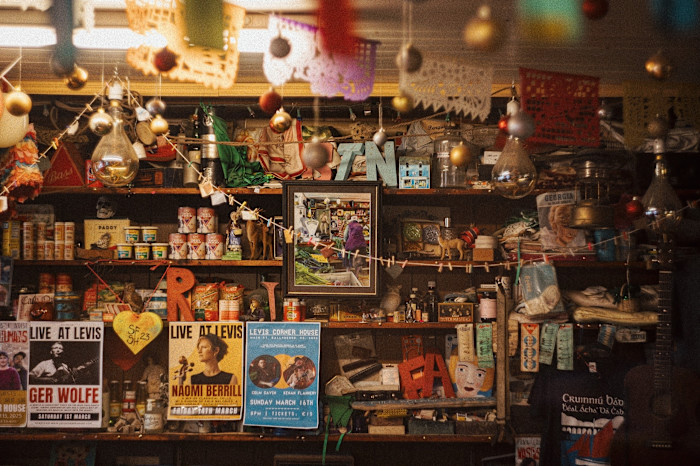
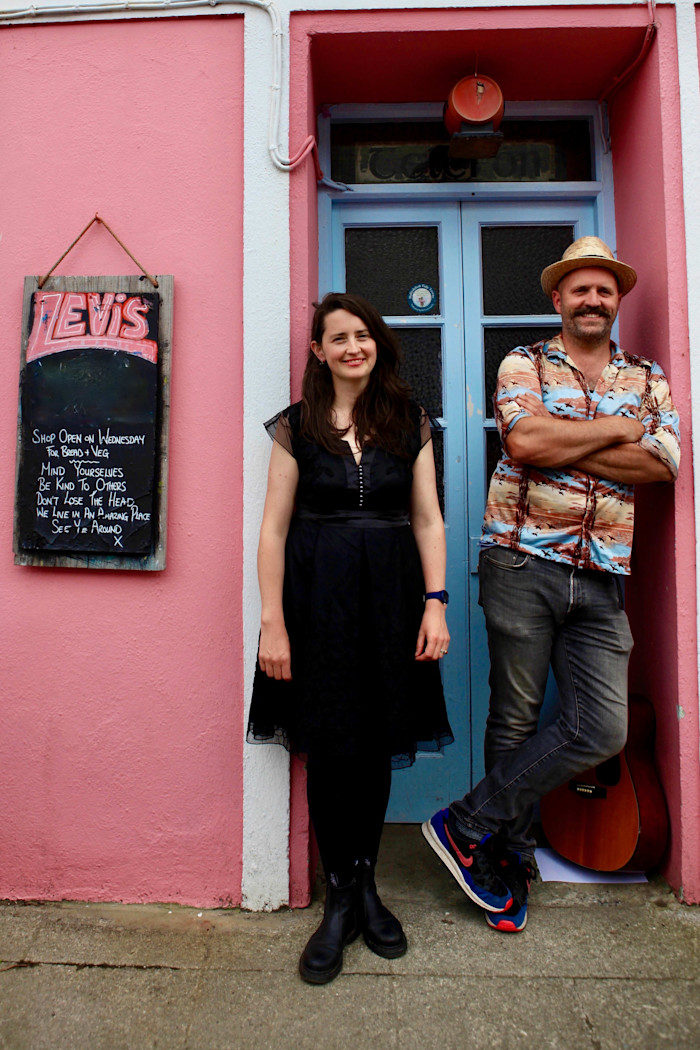
The couple have, however, introduced food trucks in the summer, a weekly market and regular gigs. I’m lucky enough to catch local acoustic guitarist Molly O’Mahoney and husband-and-wife band Driven Snow, accomplished yet self-deprecating musicians and storytellers who have the rapt crowd of just 40 veering between laughter and tears. The combination of the retro decor and the fact that not a single iPhone is raised makes me feel as if I’ve time-travelled.
On my way back to Cork airport, I drop by the village of Skibbereen, where a food market takes place every Saturday morning and I find several of the family businesses whose food I’ve been enjoying. The Gubbeen stall is mobbed with locals stocking up on cheese and cured meat, but I manage to snag the last bottle of Clovis’s homemade rose-and-fig kombucha.
At Lisheen Greens, I meet Dee McElligott, who moved from London’s Elephant & Castle to West Cork with her Kiwi husband nine years ago. “We’d never grown a seed before,” Dee tells me, “but we asked ourselves: what’s the worst that can happen?” I imagine the trailblazing blow-ins asking themselves much the same thing. There may be Hollywood actors and Michelin stars here now, but 60 years later the principle that guided those settlers — to build a life that was sustainable in every sense — is still alive and well.
Details
Kate Maxwell was a guest of Native (native.ie) and Tourism Ireland (tourismireland.com). Doubles at Native cost from €250, including breakfast and sauna. Bespoke itineraries with visits to producers and makers around West Cork cost €250 per day, or guests can follow the hotel’s new self-guided Native Food Trail
Find out about our latest stories first — follow FT Weekend on Instagram, Bluesky and X, and sign up to receive the FT Weekend newsletter every Saturday morning