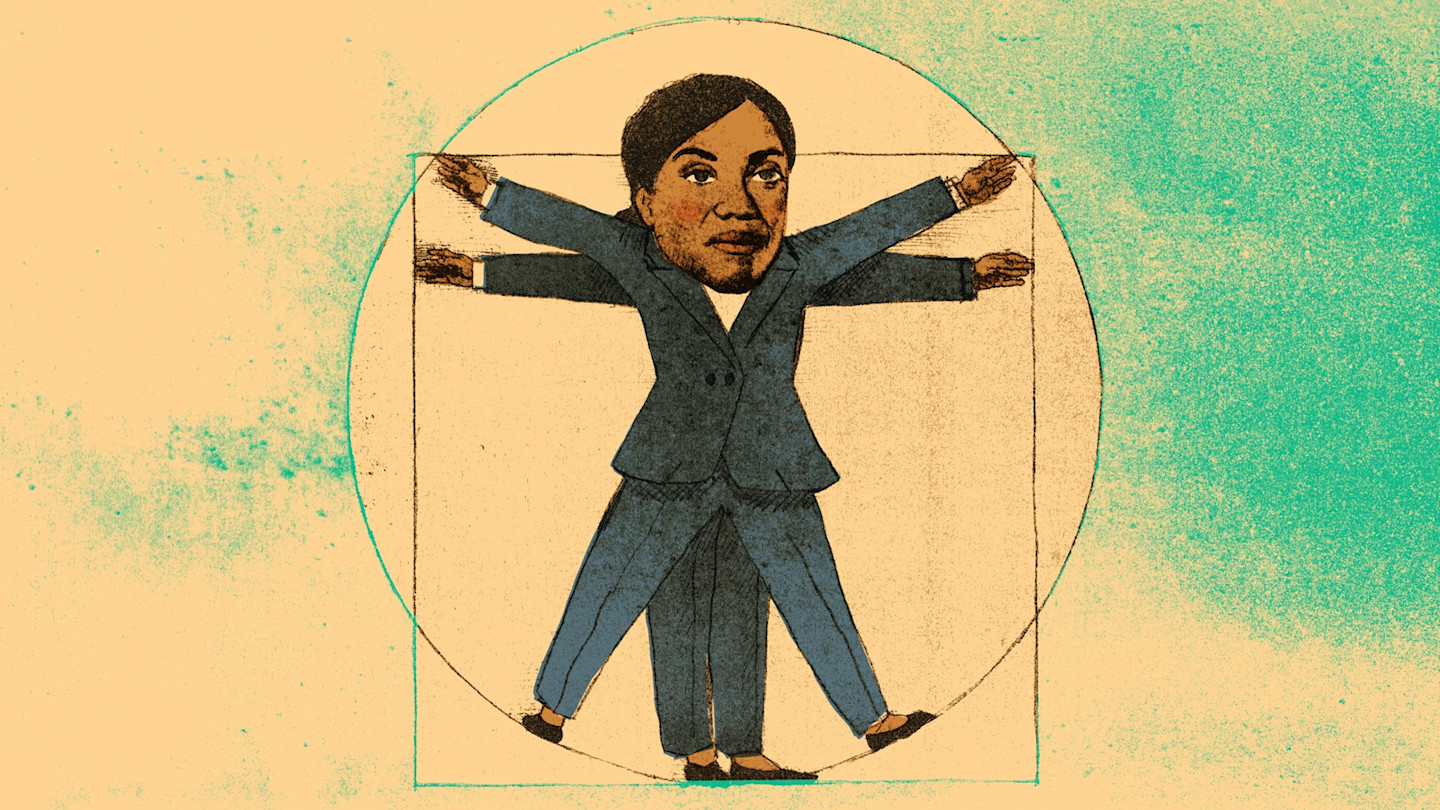
Tough on Reform. Tough on the causes of Reform. After two years of self-doubt, of fighting for survival, of the drumbeat of demands for a deal with Nigel Farage to “unite the right”, Kemi Badenoch’s Conservative Party has come up with its own strategy to do so. Take Reform on and clobber it.
Just articulating the idea immediately points to the scale of the challenge. For all its issues and scandals, Reform still leads the Conservatives in most polls. It is winning council seats across the country while the Tory activist base is being hollowed out. Farage’s party may be in what he admits is a trough but it is not about to disappear.
But what Badenoch’s conference speech, policy announcements and other recent attacks on her rightwing challenger show is that after a year of timorous efforts to out-Farage Farage, she has taken both the strategic decision to turn her fire on Reform and the emotional step of believing it can work.
It will take a lot more than one speech to a conference few were watching. But recent months have seen Badenoch growing in confidence in her attacks on Reform. In her visible contempt for its leaders she shows there can be no accommodation with their rule-breaking instincts and toxic grievance culture. This instinct also offers Tory strategists a possible path towards their central challenge of winning back lost voters on both left and right.
For while Badenoch has gained confidence and popularity, the Tories have not. This gap was glaringly obvious at the conference. Badenoch was like a human lightbulb. But the energy she brought to a room faded as soon as she left.
The muted conference had an unreal air of optimism. “Economic reality is coming for Andy Burnham,” said one shadow minister. “Reform is busted,” said a financial backer. Tax and the economy would pull back the self-interested Lib Dem voters, said a strategist.
Maybe so, but as Badenoch says about Burnham, “hope is not a strategy”. Even if Reform support fell back to the level at the last election, that 14 per cent is more than enough to split the vote on the right and give the election to Labour. Burnham is a visibly superior political operator to Starmer. And Labour will use fear of Reform to depress the Tory vote, talking up the prospects of a deal that could put Farage into office.
After this week, Badenoch’s strategy is clear. First, on the causes of Reform. She draws a distinction between the scandal-hit, financially questionable leadership and its voters. By siding with those who want far stricter immigration controls, repatriation of criminals and unauthorised migrants, more vigorous policing and a huge expansion of prison places, Badenoch’s Tories have an offer for those drawn to Reform.
Next, the economy. Burnham’s drift left has opened a political space. Badenoch pledges a growth agenda built around lower taxes, spending cuts and deregulation. There are still gaps, not least excluding the possibility of closer ties with the EU. Her commitment to savings is undermined by opposing Burnham’s plan to reshape the triple lock for pensioners. But the broad bet is that as voters tire of a sluggish economy and higher taxes they will grant the Tories another look. Meanwhile, her headline policies like scrapping inheritance tax on family homes show her aiming squarely at more affluent voters.
Were this the entire platform, it would fall short. Values and identities still matter too much. But by attacking Farage’s party in terms that rule out any alliance this week, she placed the Tories among the anti-Reform camp. Her gutsy, sincere and correct denunciation of those who question the Englishness of non-whites — her mixed-race children included — sent lost moderates the reassuring signal they need. This means she must now do better at policing the tone of Reform-adjacent frontbenchers.
Finally, if those reclaimed liberal-minded Tories help her get ahead of Reform, she can win back the transactional voters who switched to Farage as Labour’s main electoral opponent. Crucially, Badenoch has seen the road back lies first in reclaiming the centre right and the wealthier south
Well that’s the theory. There are a lot of ifs in there. There may be a “Keminaissance” at Westminster but the party remains deeply distrusted. It is not clear voters are ready to listen. It would be an achievement just to secure clear primacy on the right. Even if Reform support plummets, Farage is a fierce fighter and has a hard core of support which may now be entrenched. Lost Remainers may demand more than not being Farage — Badenoch’s own uncompromising instincts may push them away. Meanwhile, she is relying on the economy to defeat Burnham.
But the Tories can only challenge Labour if they first see off Reform: Badenoch’s speech shows she accepts that reality. She is now secure enough to follow through. Farage’s failure to broaden his appeal, retreating to his hardline base, has gifted the opportunity. If the right cannot be united by alliance and Reform’s leader has hit the limits of his appeal, the only way left to rebuild the bloc is under the Tories. The odds are against her and such tactics have failed elsewhere but under our electoral system she can fall back on one other argument — that Reform cannot win.
So far this is just a speech and a plan. But for the first time since its defeat in 2024, her party has found two things it lacked: a plausible strategy and the backbone to fight Farage. As she might say, it’s the right direction.