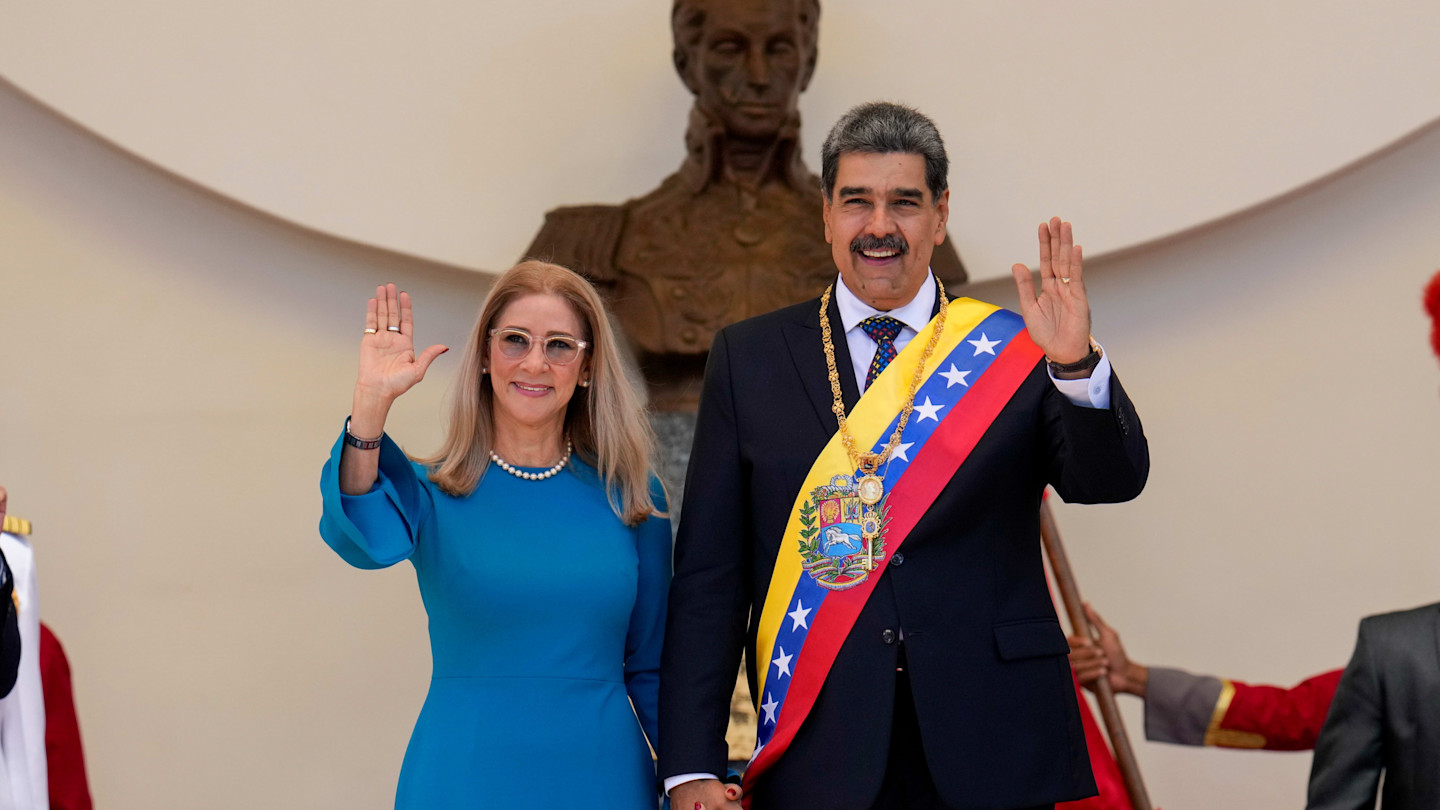
US authorities have added torture charges to their case against Venezuela’s former president Nicolás Maduro and his wife Cilia Flores, who were captured in Caracas by US special forces during a raid in January.
The US government alleges that the former leader and his wife oversaw the torture of detainees, including American citizens, via methods that included “electric shock, asphyxiation, rape, forced nudity, prolonged isolation, starvation, punishment cells and psychological torture, such as threats to harm and kill victims’ families”.
The charges of conspiracy to commit torture added on Thursday widen the investigation into Maduro, a revolutionary socialist who governed oil-rich Venezuela from 2013 to until his arrest this year.
In January, Maduro was charged with narco-terrorism conspiracy and both he and Flores were charged with cocaine importation conspiracy and two counts relating to the possession of machine guns.
During his tenure, repression in Venezuela surged as the economy contracted by three quarters between 2013 and 2021, while as much as a third of the population migrated abroad.
Since they were brought to the US, Maduro and Flores — who have pleaded not guilty to the other charges against them — have been held at a jail in Brooklyn ahead of a trial expected to begin in 2027.
A UN fact-finding mission found in 2020 that Maduro's security and intelligence services tortured detainees, including with electric shocks, asphyxiation and sexual violence, as part of a state policy to crush dissent that it said amounted to crimes against humanity. Hundreds were arrested in the crackdown after the disputed 2024 election, in which Maduro claimed victory.
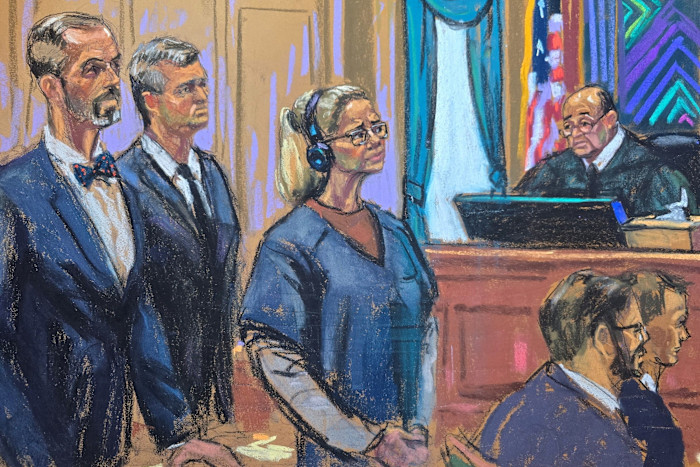
Flores’s lawyer asked that she be moved to house arrest ahead of trial, at a hearing in a Manhattan courtroom on Thursday. Judge Alvin Hellerstein denied the motion, describing Flores as a “flight risk” and said he took her promise she would not flee with “many grains of salt”.
Flores, who says she has a heart condition, had hoped to be moved out of prison on health grounds, according to her lawyer. But Hellerstein said that “her appearance is no worse . . . than when I first met her”.
Although the torture charges were not discussed at length during Thursday’s hearing, Hellerstein said his own prolonged involvement in the Maduro case had suggested to him that “the evidence is strong, very strong”.
An additional arraignment — a procedural hearing to allow the defendants to enter a plea in relation to the fresh charges — will take place before November 17, the judge said.
Following Maduro’s removal, the Trump administration backed his deputy, Delcy Rodríguez, to lead the country and oversee economic and political reforms.
Alongside moving to open up Venezuela’s energy sector to foreign investment, Rodríguez in February signed an amnesty law opening a path to the release of hundreds of political prisoners. She also ordered the closure of El Helicoide, one of the government’s most feared prisons in Caracas.
But rights groups have criticised the slow pace of change in Venezuela where, according to local rights group Foro Penal, 322 political prisoners remain behind bars and a timetable for fresh elections is yet to be set.
The Venezuelan government did not immediately respond to a request for comment.