Germany’s intelligence service faces “heated and turbulent days” as allied agencies ask tough questions about the country’s biggest spy scandal in decades, the lawmaker in charge of overseeing it has warned.
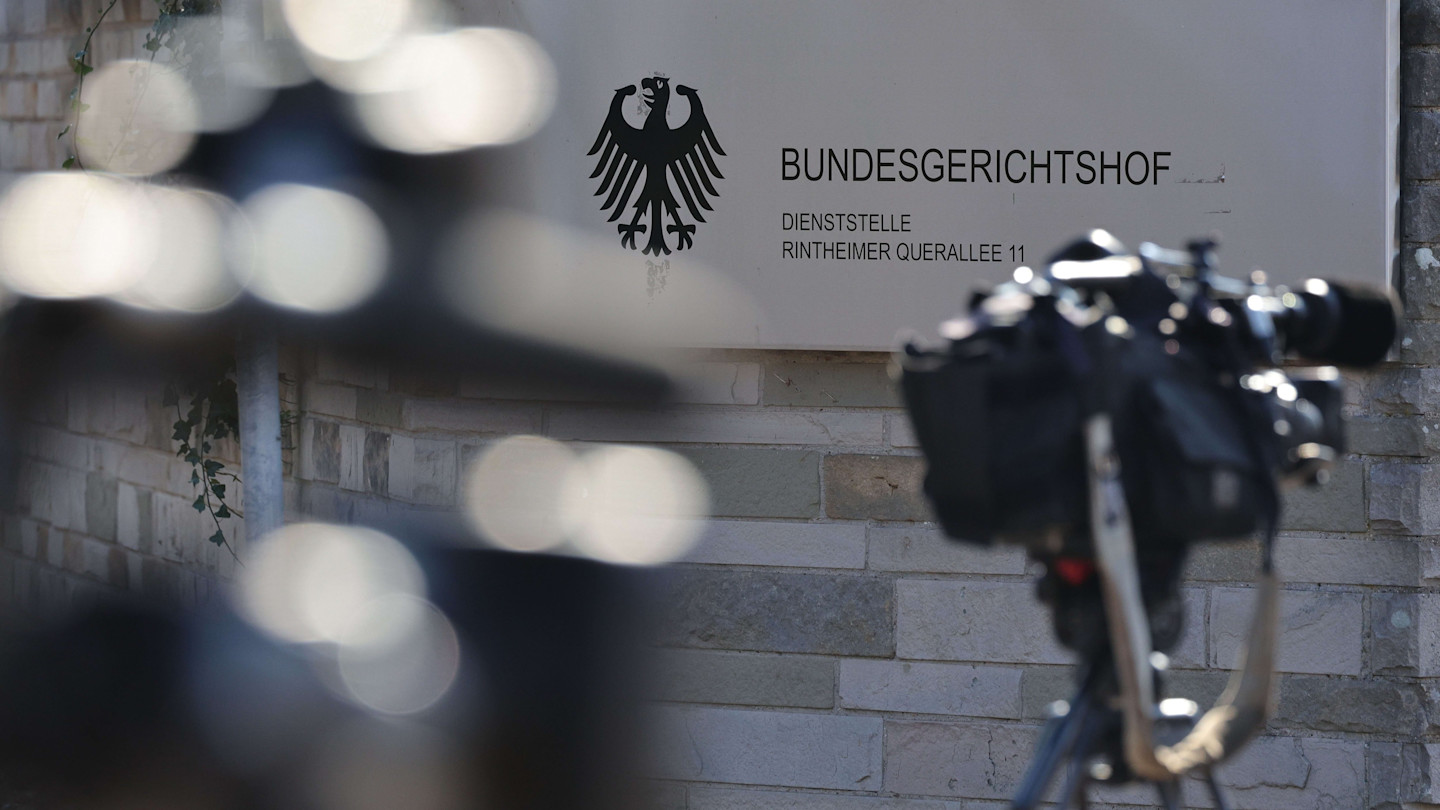
The German security establishment was rocked on Tuesday by the arrest of August Hanning, head of the BND from 1998 to 2005, on charges of treason and espionage.
Marc Henrichmann, chair of the German parliamentary Kontrollgremium — the committee that has special powers to supervise the country’s intelligence services — told the FT: “We need to get to the bottom of the circumstances and ensure that something like this never happens again.”
The committee, which usually meets in secret, on Thursday ordered a special audit of the BND foreign intelligence agency over the affair.
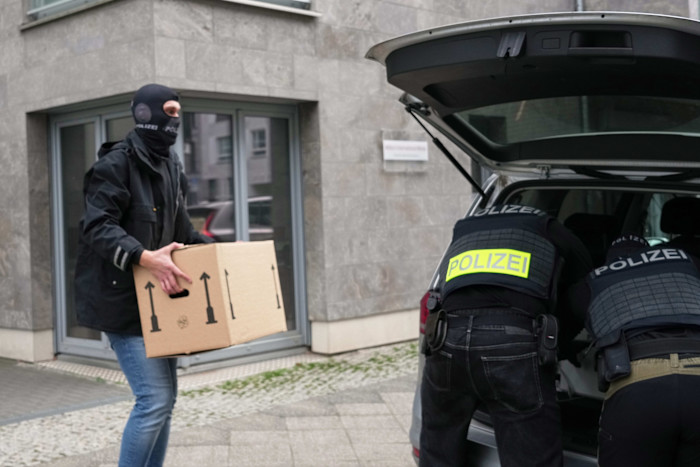
Hanning is accused of having organised for thousands of classified documents to be leaked to him from the BND for more than a decade after he left office, to aid his work as a private security consultant.
“Trust is the hardest currency in this business,” Henrichmann said. The current president of the BND, Martin Jäger, “has had his hands full discussing this with his international partners . . . I wouldn’t have wanted to be in his shoes right now. These have been heated and turbulent days for him.”
Among the classified materials found in Hanning’s private possession were highly sensitive documents intended for the eyes of Germany’s political leaders only.
Partner services have sought reassurances that none of their own classified intelligence may have been compromised by the leaks, security officials have told the FT. Key partners of the BND include leading western intelligence agencies such as the UK’s MI6 and US’s CIA.
Hanning’s lawyer said on Thursday that his client admits illegally possessing the documents but denies the more serious charge of treason. The federal prosecutor alleged that in two instances Hanning had contact with foreign intelligence operatives and may have transmitted classified information to them.
Henrichmann’s special audit would be followed by a “rigorous” parliamentary debate and possible changes to the rules governing what former government employees were allowed to do after leaving service, he promised.
It may also complicate the passage of landmark legislation proposed by the government to give the BND sweeping new powers, which has only just gone through its first reading in parliament.
“To put it lightly, it certainly doesn’t help,” said Henrichmann. “One thing has become absolutely certain . . . the strengthening of oversight of the services is [also] important. It will be absolutely crucial that we make no compromises on this.”
The 50-year-old MP, a member of Chancellor Friedrich Merz’s Christian Democratic Party (CDU), said he nevertheless had full faith in the current leadership of the BND to act appropriately.
The new BND law, he added, is of vital importance to give the agency the tools it needs to defend Germany and Europe.
Under Jäger, who was appointed last year, and his predecessor, Bruno Kahl, the BND has already begun an expansive set of reforms as it races to modernise itself, amid a rapidly deteriorating international security situation.
“The new president has a very, very high reputation internationally,” Henrichmann said. “He is an outstanding choice.”
The MP said “earlier generations” at the BND had “lived by a culture . . . of complacency”.
“Apparently in the past it never occurred to anyone [to do] everything possible to prevent such insider threats [and that] shows exactly where we stand. It’s a question of mindset and we need a radical, complete change of mindset.
“We’re waking up again at a terrifying pace and, er, with a loud bang, and realising that the world has changed,” he said.
Passing the new BND law was more essential than ever as a result, he added. “[Change] starts with politics.”