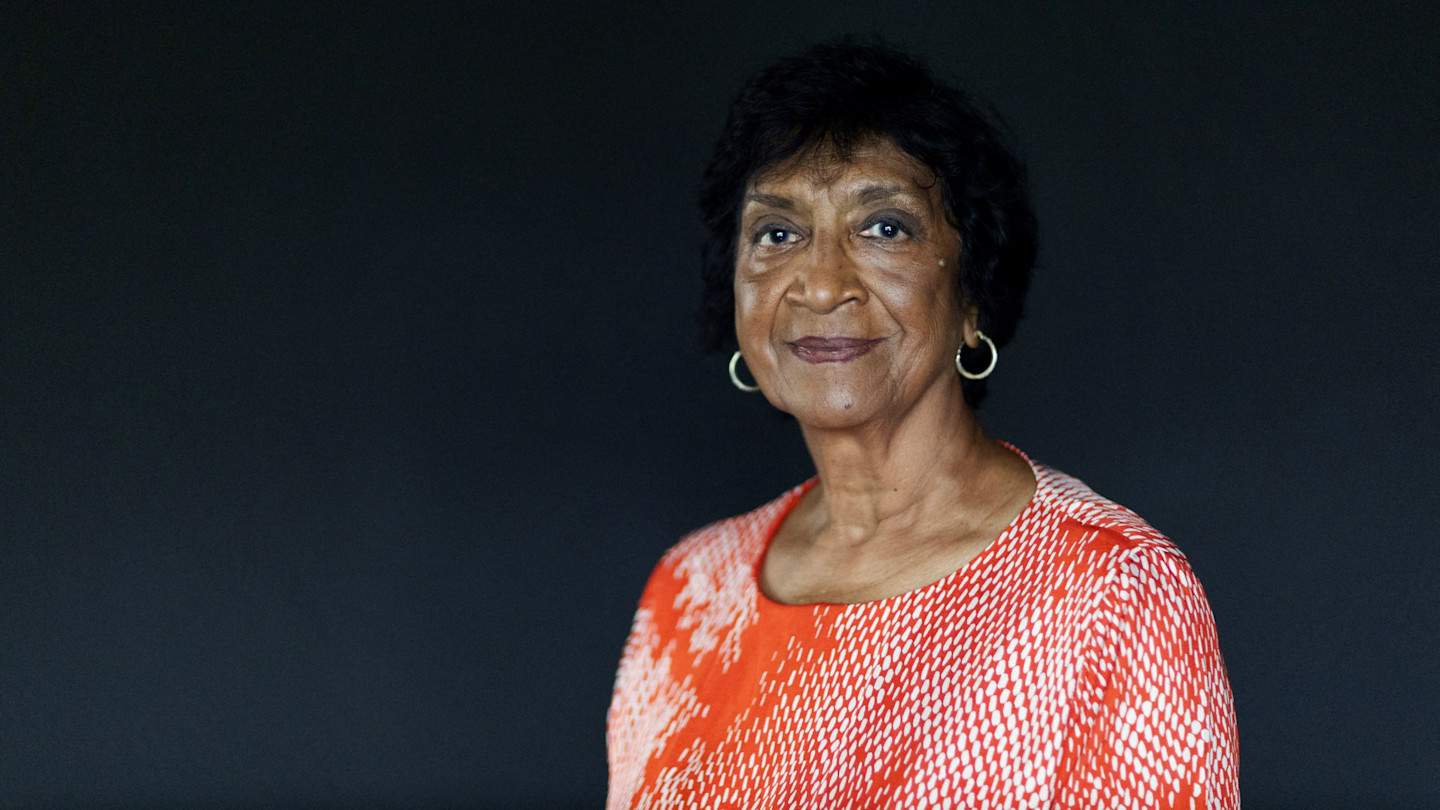
When Navanethem “Navi” Pillay was a young, sharp-elbowed advocate growing up in segregated South Africa, every door in the legal establishment was firmly shut in her face. White law firms refused to employ her, saying that no white secretary would take instructions from a non-white woman.
Undeterred, Pillay — one of eight children born to a bus driver father and a mother who was denied education under apartheid — responded by forging her own path. That path would this week lead her to the Nobel Peace Prize.
Born in 1941 to a Tamil family in Clairwood, one of Durban’s largest communities of working-class people of Indian origin, Pillay navigated a system designed to block non-white and female lawyers through sheer tenacity and community support. Her local community in Durban collected donations to finance her studies, allowing her to earn her law qualifications from the University of Natal by 1965.
She completed her clerkship under Narainsamy Naicker, a human rights lawyer and ANC activist. Because Naicker was frequently under house arrest, Pillay was thrust into courtrooms early.
In 1967, when she opened her own law firm — the first non-white female attorney to do so in what was then Natal province — apartheid’s rules barred her from entering judges’ chambers or using white-only legal libraries.
The indignities of the system left a lasting mark. “Apartheid gave us all that — a real appreciation of what it is like to be treated as a second-class person, dehumanised, tortured, detained and not given rights,” she told the South African press in 2011.
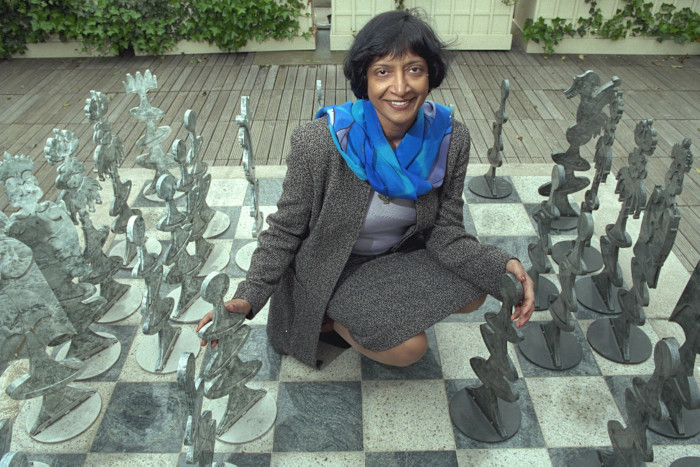
That visceral understanding carried her from defending anti-apartheid activists and political prisoners on the infamous Robben Island — in 1973 she won a landmark ruling granting prisoners on the island, including Nelson Mandela, the right to lawyers and law books — to the highest echelons of global jurisprudence.
In Durban, she also confronted violence closer to home. Pillay and South African academic Anshu Padayachee co-founded the Advice Desk for Abused Women in 1986, pressing magistrates to issue protection orders for women facing domestic violence at a time when the law offered few remedies beyond criminal charges or divorce.
After apartheid ended, Pillay became the first non-white woman appointed to South Africa’s High Court.
Her subsequent work in Rwanda reshaped international criminal law. Appointed in 1995 to the International Criminal Tribunal for Rwanda in the wake of the 1994 genocide, Pillay led the tribunal as president. She co-authored the groundbreaking 1998 judgment against local official Jean-Paul Akayesu, which recognised that rape and sexual violence constitute acts of genocide under international law.
Pillay was the only woman on the tribunal’s bench for its first four years and said the work was often harrowing.
“Sometimes I would just weep,” she said in a 2021 interview with South Africa’s Mail & Guardian, also recalling how she prepared cases at home by candlelight amid swarms of mosquitoes. “What happens to women in conflicts and wars was taken for granted as collateral damage,” she added.
Earlier this year, she called the judgment in the Rwandan case “one of the most meaningful moments of my career. For centuries women’s pain in conflict had been ignored or dismissed”.
Pillay went on to serve as a judge at the International Criminal Court and as the UN high commissioner for human rights from 2008 to 2014.
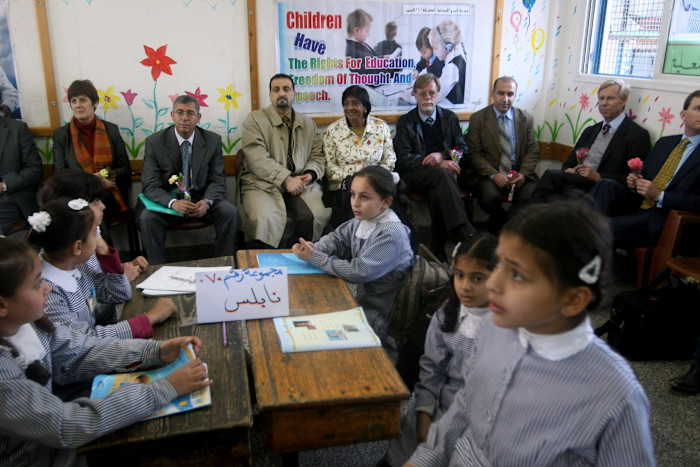
In 2021, she was appointed chair of a UN independent commission of inquiry on the occupied Palestinian Territory, including East Jerusalem, and in Israel. The commission would go on to conclude in 2025 that Israel had committed genocide in Gaza during the offensive that followed Hamas’s October 7 2023 attacks — a finding rejected by Israel.
In an op-ed on the Taliban’s “gender apartheid” in Afghanistan in March, Pillay wrote: “We gave the world apartheid. We must now call it out wherever it occurs.”
On Friday, after Pillay learned that she had won the Nobel Peace Prize, she spoke from Nuremberg’s Courtroom 600, where trials of leading Nazi figures helped establish the principle that individuals, including heads of state and governments, could be held accountable under international law.
She called out troubling efforts “to weaken international criminal justice [that] endanger the progress painstakingly made since Nuremberg. They risk returning us to a world in which power rather than law determines whose suffering matters”.
The Norwegian Nobel Committee called Pillay, now aged 85, “one of the great defenders of international legal principles in our time”.
Pillay’s Nobel Peace Prize illustrates the growing reach of international justice and the growing influence of the global south in demanding accountability from powerful states.
That legacy is personal for a younger generation of South African lawyers. Adila Hassim, who formed part of the South African legal team that brought a case against Israel before the International Court of Justice in 2024, said Pillay had been a defining role model since her own law studies under apartheid.
She helped young Black and Indian women in South Africa “imagine our place in a profession that had long excluded us”, Hassim said.