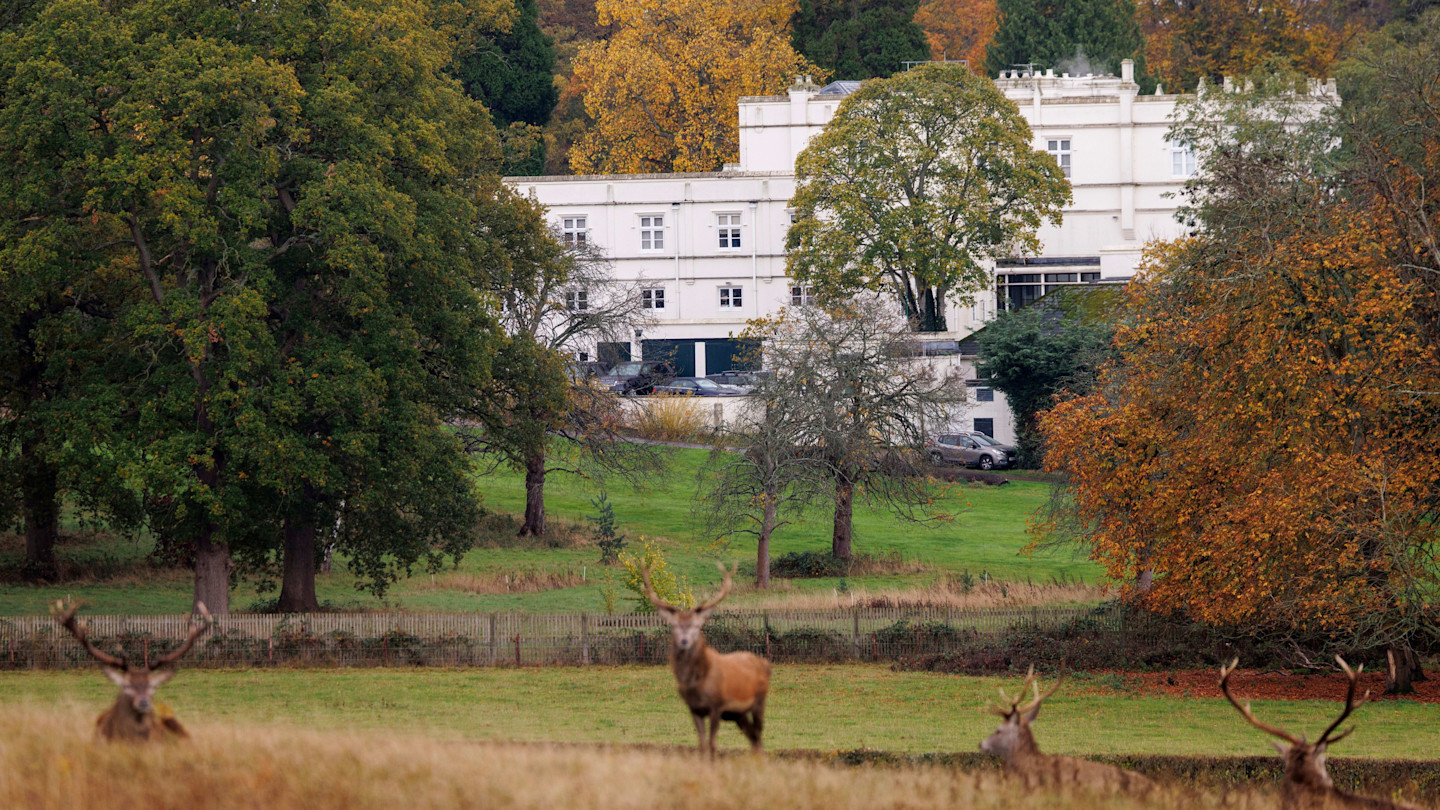
Andrew Mountbatten-Windsor has paid the Crown Estate a net £1.5mn to terminate his lease on a luxury mansion in Windsor, using money provided to him by his brother, King Charles.
The Crown Estate, which owns the 30-room Royal Lodge, on Friday said it had assessed Mountbatten-Windsor’s liability for “dilapidations” — damage to the property — at £1.8mn. The estate, meanwhile, owed Mountbatten-Windsor £302,000 in compensation for early termination of the lease, meaning the former prince ended up paying a net £1.5mn.
A person familiar with the matter indicated the King had provided a loan from his private income to his brother Mountbatten-Windsor to make the payment.
The property in Windsor Great Park could now be leased to a non-royal, depending on the outcome of a review by the Crown Estate.
The payment ends the controversy over the terms of a 75-year lease for the huge property awarded to Mountbatten-Windsor in 2003. While Mountbatten-Windsor made a £1mn upfront payment on taking over the lease and had to fund £7.5mn in renovations and repairs, he paid no annual rent and had the right to rent out three properties in the lodge’s grounds.
Critics including Baroness Margaret Hodge, the former chair of the House of Commons’ Public Accounts Committee, have suggested the deal was unduly generous.
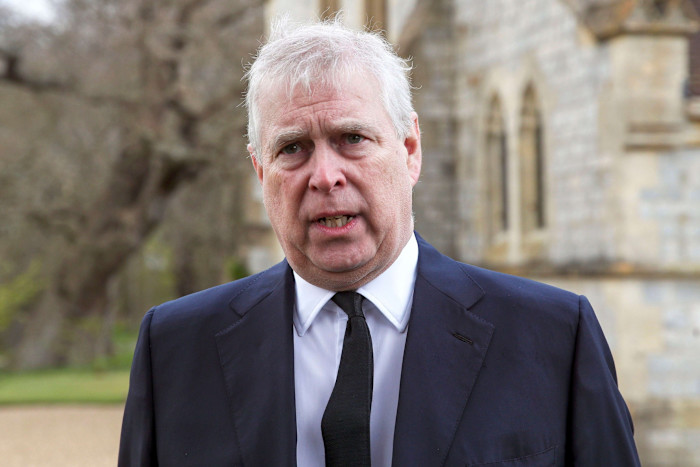
Mountbatten-Windsor was entitled to some compensation under the lease for his upfront payments if he left the property within the first 25 years, leaving open the possibility that he would be paid for moving out.
The former prince was pressured into surrendering the lease in October last year as part of the royal family’s effort to distance itself from him following revelations about his conduct in the US Department of Justice’s release of files relating to the convicted paedophile Jeffrey Epstein, a close friend of the former prince. He moved out to a cottage on the grounds of the King’s private Sandringham Estate in February.
The person familiar with the matter indicated the King had provided the loan to cover the dilapidation costs to ensure the Crown Estate was “appropriately and promptly” reimbursed for the costs of making the repairs.
Both Royal Lodge and the Sandringham cottage were searched in February by police investigating potential misconduct in public office by Mountbatten-Windsor following the Epstein file revelations. The searches started on the day Mountbatten-Windsor was arrested as part of the investigation.
Mountbatten-Windsor, who was stripped of his titles by the King last year, denies wrongdoing.
The former prince on Thursday succeeded in a court challenge to the lawfulness of the search warrants.
The Crown Estate said that, following surrender of the lease, it was focused on determining the potential future use of the property in line with its statutory duty to maintain the character of the Windsor estate as a royal park and forest.
“Following completion of this review, the property will be marketed for its proposed future use by two nationally recognised agents,” it said.
A National Audit Office report earlier this year revealed that the former prince earned rental income from properties adjoining Royal Lodge but said it had not discovered how much rent they generated.
While the NAO report contained none of the body’s normal judgments on whether a deal represented value for money for taxpayers, the Crown Estate insisted it vindicated its approach to lettings and that they had been undertaken in line with independent, professional advice.
There was no immediate response to a request for comment from Mountbatten-Windsor’s office.
The Crown Estate said: “The lease for Royal Lodge has ended and our focus now is firmly on its future use and the opportunities to generate additional financial value for the nation from its early return.”