Airlines face a mounting crisis in coming months, industry bosses have warned, as persistently high fuel prices force them to cut flights, axe costs and delay payments on leased aircraft.
Executives are sounding the alarm as the industry heads into its first winter season since the Iran war unleashed an energy shock that has already depressed profits.
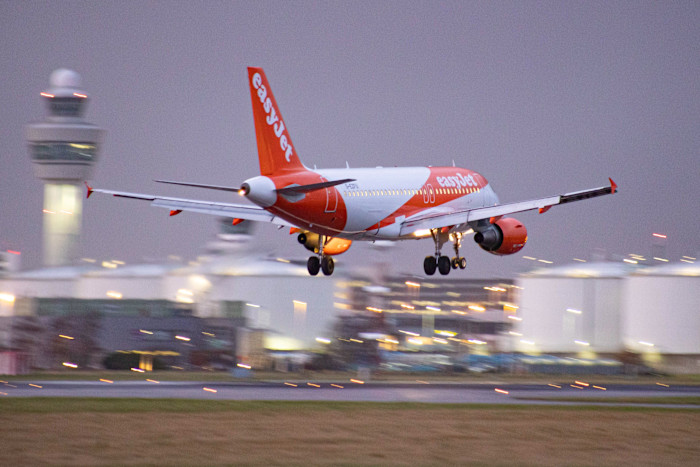
EasyJet, one of Europe’s biggest airlines, and Germany’s Lufthansa are among those scaling back capacity to navigate the winter season, a period marked by weaker demand and one that in previous years has forced carriers into bankruptcy.
In a sign of the growing strains, Delta Air Lines on Friday slashed its annual profit forecast, saying that the rise in fuel prices triggered by the Middle East conflict would cost it an extra $6bn this year.
“This is a full-blown crisis,” said Ryanair boss Michael O’Leary. “Everybody is going to be hurting next year . . . we are just trying to trim the ship as much as we possibly can.”
Industry leaders, analysts and financiers told the FT that the spectre of airlines failing over the winter season, which begins this month and runs until late March, was higher than it had been in previous years.
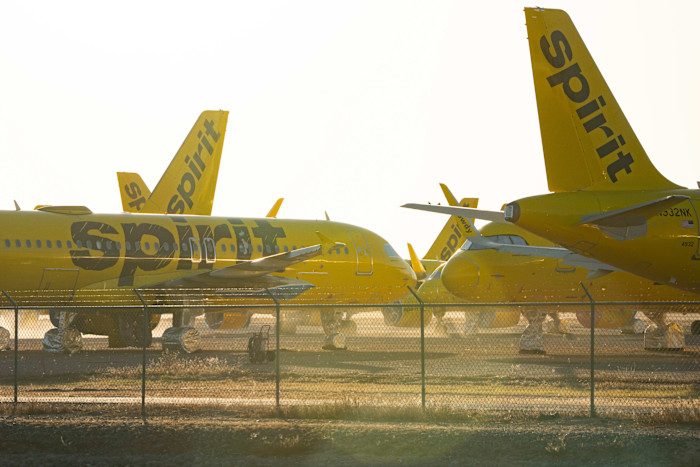
Any bankruptcies would come on top of the collapse of US carrier Spirit Airlines in May and the demise of airBaltic last month.
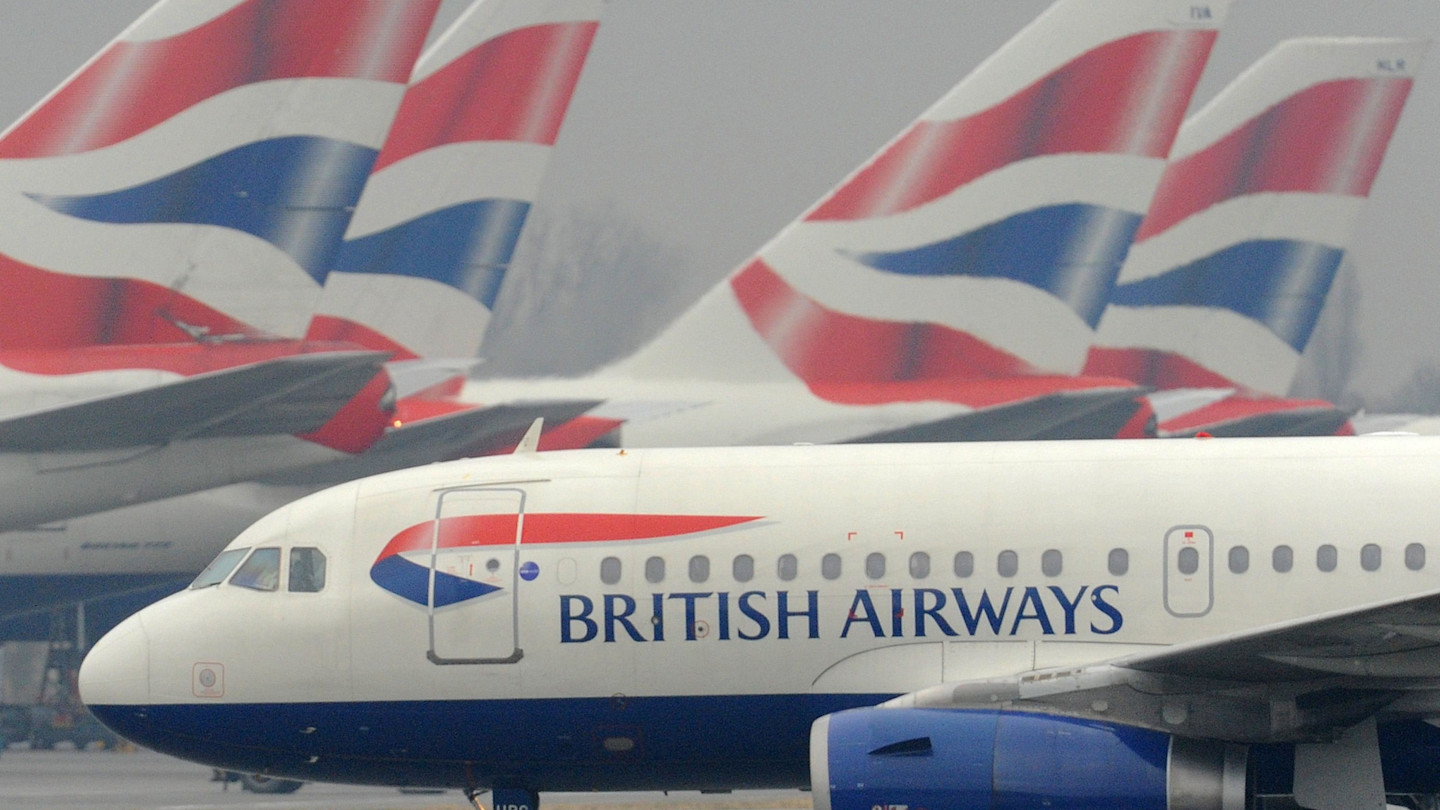
“This winter . . . we are going to see medium-sized and small companies struggling and they are going to have difficulties surviving,” said Luis Gallego, the chief executive of IAG, owner of British Airways. “Some people are going to be very close to disappearing or [will] disappear.”
Ryanair’s O’Leary said that he expected that the surge in fuel prices triggered by the Middle East conflict would last until at least 2028.
Analysts and executives said that the financial pain European and international carriers faced from higher oil prices was rising as fuel hedges expire, leaving airlines to choose between buying new hedges, locking in higher costs or risking paying even more on the open market.
“Even if you’re buying fuel six months out, today it’s still $1,200, $1,300, which is incredibly high,” said easyJet chief Kenton Jarvis, compared with industry norms of about $700 per tonne.
The gap between crude oil and jet fuel — called the “crack spread” — has opened so wide that several airline groups, including Lufthansa and IAG, have started hedging jet fuel itself rather than just oil.
US carriers do not hedge jet fuel, which has left them more exposed to the soaring prices this year.
“It does look like it’s going to be a tough winter, even for airlines that are hedged,” said John Strickland, an aviation analyst. “We’re going to see substantial cancellations and it even puts life in question for some.”

In a bid to protect its bottom line, easyJet had doubled capacity reductions it planned to make this winter, removing a further 700,000 seats from its schedule, he added. During September alone the industry cut 6mn seats from services in October, November and December, according to data group Cirium. This is about 1 per cent of total flying capacity.
Airlines are increasingly turning to their fleets as a way to cut costs.
One lessor said that almost a dozen airlines had already requested delays to lease payments, asking to push them back for several months or cut monthly instalments by about 10 per cent. Carriers included those with exposure to the Gulf, the person said.
An executive at one of the world’s largest leasing companies said it had received “a couple of requests for lease payment deferrals from smaller carriers”, but added: “The vast majority of our customers are saying that demand is still pretty good with yields holding up reasonably well.”
Airlines are also ditching older, less fuel-efficient aircraft faster than expected following a rise in deliveries of Boeing and Airbus planes.
EasyJet’s Jarvis said it had accelerated plans to phase out its Airbus A319 planes, while Lufthansa said it would retire some older aircraft sooner than previously anticipated.
Lufthansa boss Carsten Spohr said the German airline was taking steps to reduce winter capacity, such as resting large Airbus A380 and Boeing 747 planes it struggled to fill in the low season.
Even as concern grows over the winter season, executives pointed to some brighter signs in the market.
They said that demand remained strong in long-haul business-class travel, where steep price rises have failed to dent demand, although some said short-haul and leisure markets were starting to suffer.
“The more premium you are, the less it affects you,” said Spohr. “My friends in the low-cost sector, I think, are more worried.”
EasyJet said bookings for next summer were weaker than in previous years, but more customers were now booking trips later.
IAG’s Gallego said the European leisure market was suffering more than others, while premium demand remained “strong and resilient”.
Although the group is keeping capacity flat in winter, it has cut some Vueling services from Barcelona and reallocated capacity elsewhere.
“Nobody knows what is going to happen,” Gallego said. “We are going to do what is needed.”