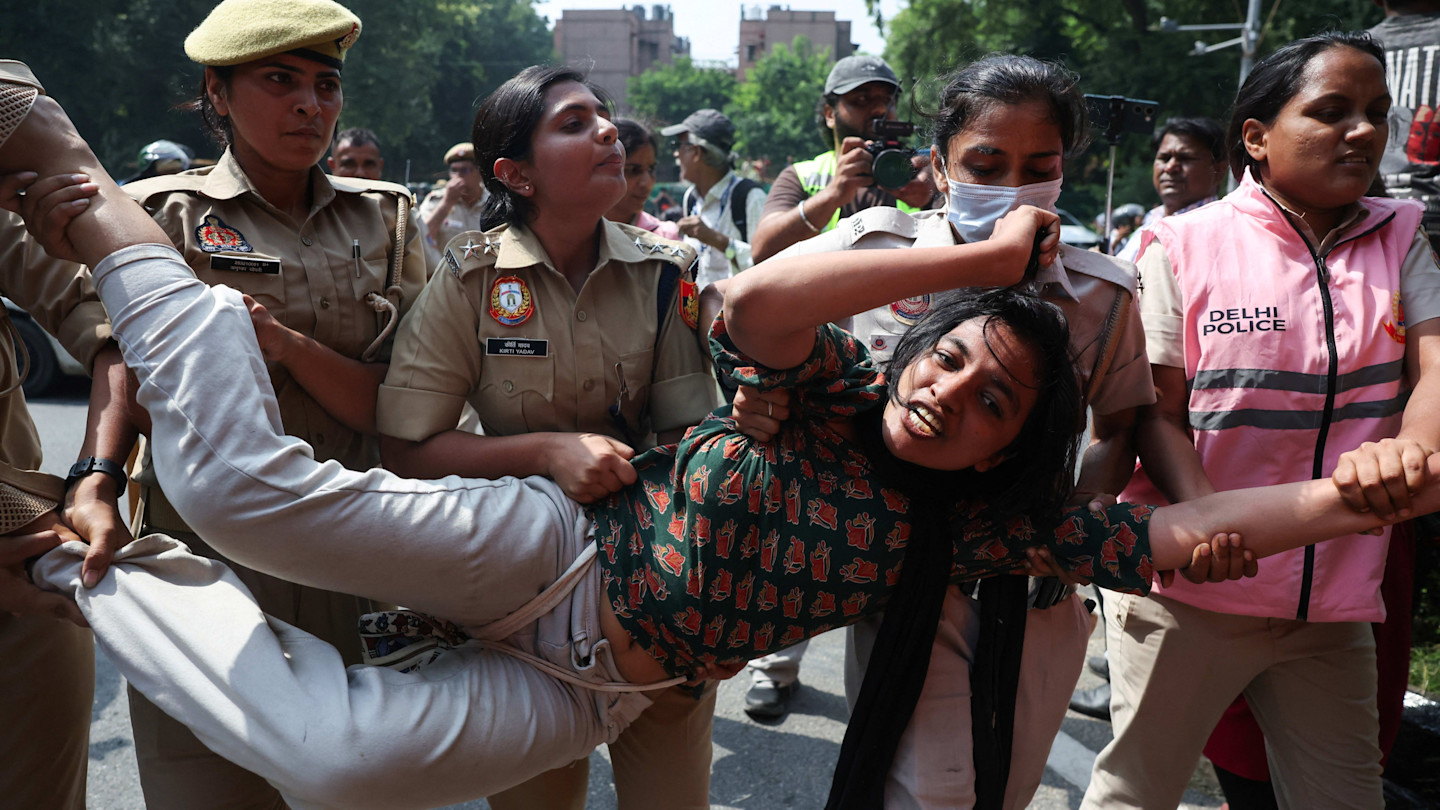
Indian police have detained the founder of the country’s “Cockroach” party after he landed in New Delhi as authorities tried to quell protests demanding the resignation of the elections chief.
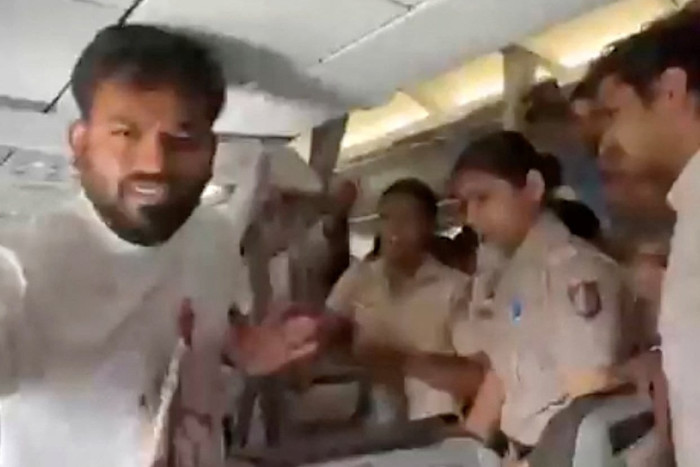
A video posted online by the Cockroach Janta Party (CJP), the upstart youth movement that began as an online satire in May, showed its leader Abhijeet Dipke being escorted from an aeroplane by police on Saturday.
Dipke, whose movement has become one of the biggest political challenges to Prime Minister Narendra Modi, had called for peaceful protests against chief election commissioner Gyanesh Kumar over a controversial voter verification drive. Police had warned that the CJP did not have permission to protest.
On Saturday, authorities placed New Delhi, home to more than 20mn people, under lockdown. They deployed more than 20,000 security personnel, detained hundreds of dissenters, closed metro stations, shut down mobile internet services, barricaded roads and issued threats of arrest from loudspeakers in an effort to stop demonstrators from reaching Jantar Mantar, a 300-year-old observatory.
“Jantar Mantar is a place for protest. If people are not allowed to come here that means somebody is really scared and something is wrong with our democracy,” said a 33-year-old female protester who did not want to be named.
Dipke has spearheaded demands by opposition parties and youth groups for Kumar to resign after an estimated 130mn names, or about 13 per cent of the total electorate, were removed from India’s voter rolls.
Critics said the deletions affected the outcome of some recent state elections that Modi’s Bharatiya Janata Party (BJP) won.
Modi’s government has rejected accusations that the revision of voter rolls was politically motivated and Kumar, who is due to step down in 2029, has defended the commission’s independence. The commission said the names were duplicates, deceased or had relocated.
The controversy comes ahead of a string of state elections that are set to begin early next year.
“You can see where the nation is headed, they are here to arrest us directly from the flight. This is something not even Indira Gandhi has done,” Dipke said in a video taken during his arrest, referring to the former prime minister who imposed a state of emergency under which civil liberties were suspended and political opponents jailed.
BJP president Nitin Nabin blamed the CJP and opposition parties for attempting to create an “extremely dangerous and serious situation in the country”. He added that “the government of India will deal with it strictly”.
Ajai Sahni, head of the Institute for Conflict Management in New Delhi, said: “There have never been such restrictions at this scale, particularly in the absence of any evidence of violence as far as the CJP protests are concerned . . . it reflects a degree of panic in the government.”
The CJP began as a satirical online campaign. In July it staged the biggest protests in the capital for years at Jantar Mantar, in a move that forced the education minister to resign.
“Peaceful protesters must be able to demand accountability from those in power without facing intimidation, arbitrary detention or sweeping restrictions on their freedom,” said Aakar Patel, chair of the board at Amnesty International India.