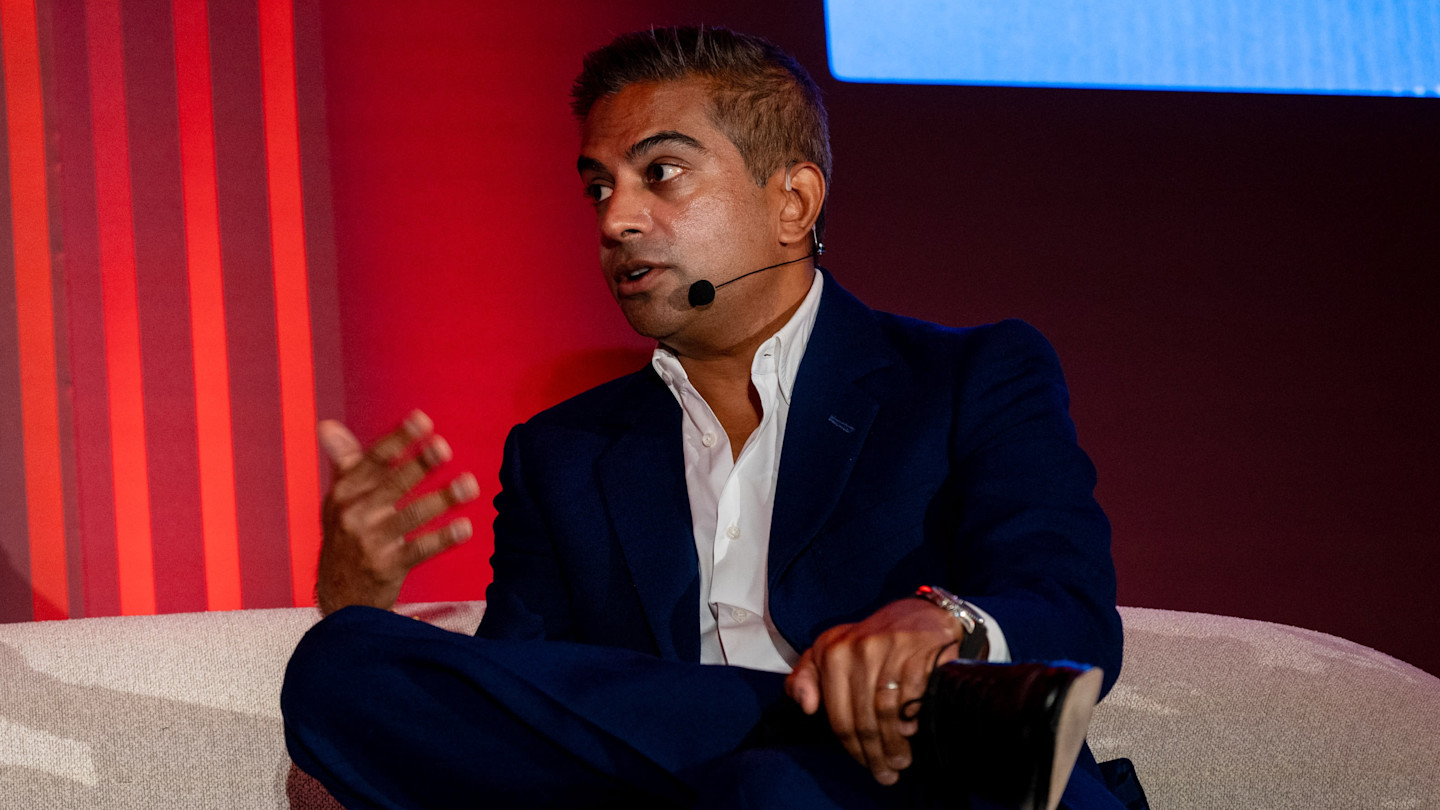
Private equity will be able to cut some of its best-ever deals in the current climate, with lower valuations and reduced competition helping the sector to “exceptional returns”, according to the co-head of one of Europe’s biggest firms.
Dipan Patel, co-chief executive of UK-headquartered buyout group Permira, told the FT Private Capital Summit in London this week that deals cut after the dotcom crash and global financial crisis were “among the best” ever. “We’re right back there today,” he said.
“This will be among the better vintages . . . and I think the top quartile will have exceptional returns,” said Patel, referring to the funds that firms are currently seeking to deploy in deals.
The buyout sector has struggled through several tough years, with initial public offerings proving challenging and higher interest rates making sales of companies difficult to achieve at the desired valuations.
Many firms invested in companies at high valuations during the period of ultra-low interest rates and have resisted selling at prices that would crystallise underwhelming returns, reducing cash returns to the sector’s institutional backers.
“It’s a problem to be in a low-rate environment,” said Patel of Permira, which manages about €100bn in assets. “Being in a high-rate environment, eyes wide open, is not a problem for private equity because it translates into deal pricing.”
John Redett, co-president of Carlyle Group, said that “free money” and a long period of economic expansion after the financial crisis had caused complacency in the sector. “People were generally benefiting from multiple expansion. They didn’t really have to focus on value creation.”
However, with fewer funds sitting on piles of uninvested cash, there were still “attractive opportunities out there to invest in”, added Redett, referring to acquisitions of defence companies and unloved divisions of large conglomerates.
The disruption caused by AI would also create opportunities, Patel said, such as in software. Software deals, long a favourite of the sector, ground to a halt earlier this year after new AI agents cast uncertainty over established business models.
“From the equity side, [software] has gone from overcapitalised to undercapitalised,” he said. Whereas Permira previously had up to 30 per cent of its investment activity focused on software, it did no deals in the sector for three years after the launch of ChatGPT, he added.
However, investors betting on other sectors in the belief that they were insulated from AI disruption could be disappointed: “There’s no sector immune from AI,” he said. “It’s just a lot more capital chasing a lot fewer assets in other sectors . . . There’s a trap.”
Nic Humphries, executive chair of software-focused buyout firm Hg, said that only firms that invested in using AI in their portfolio companies and could “scale that internal capability” would survive in the new era. “People who do no nothing — dead,” he added.
Julian Salisbury, co-president of US private capital group Sixth Street, said the “pig in the python” — companies stuck in buyout portfolios — would present attractive opportunities for investors who could make tailored investments mixing equity and debt.
“[Buyout firms] need solutions providers who can help them recycle [cash to investors] . . . provide incremental capital to keep growing the business, provide them incremental financing so that they can refinance and extend the hold of the asset.”