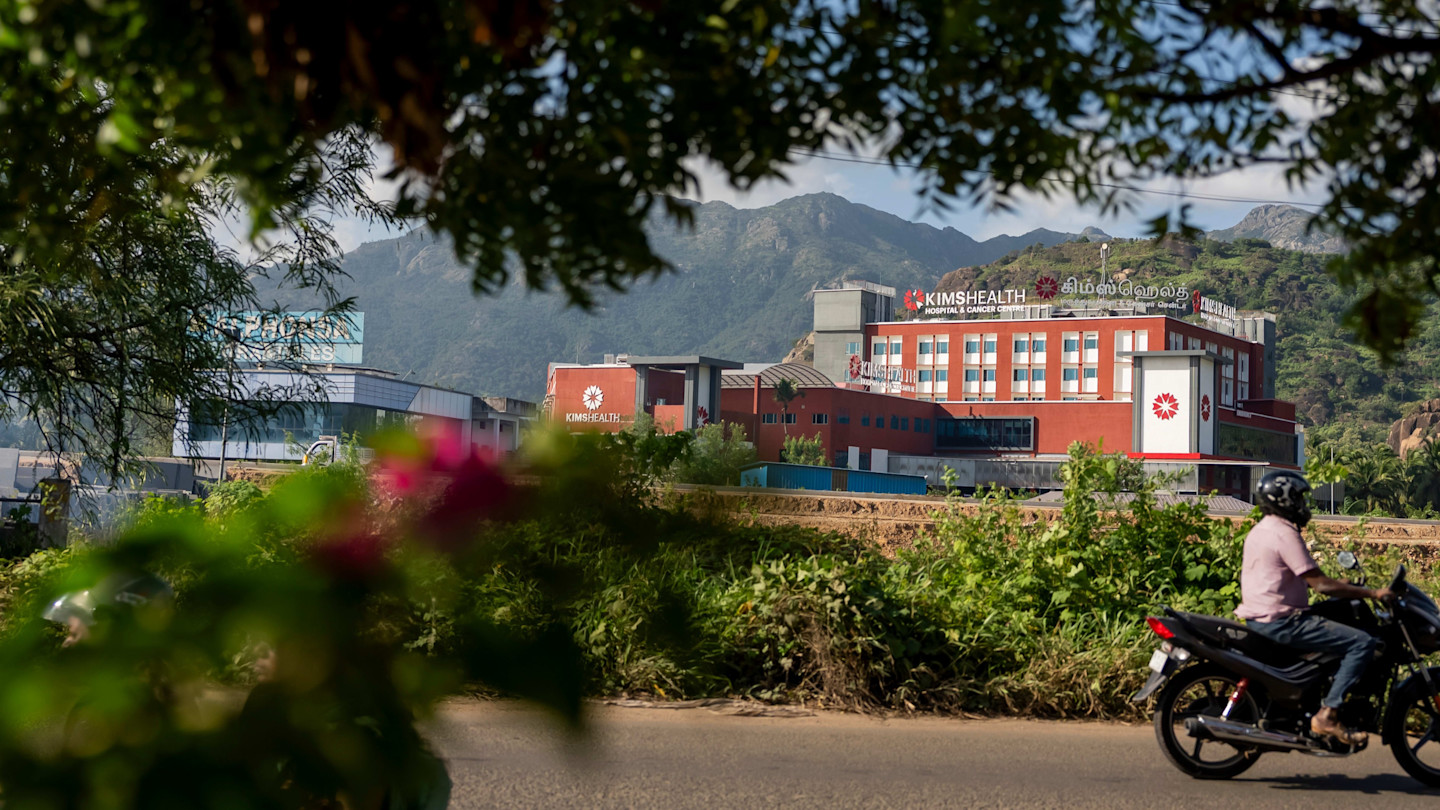
Indian healthcare has emerged as a private equity hotspot as global buyout groups pour money into local hospital chains to fuel their expansion into the country’s smaller cities.
Private healthcare providers are using foreign backing to expand into lesser-served Indian towns, seeking to capitalise on shortcomings in public medical infrastructure.
“There was a misnomer people had that it’s not viable to run hospitals in lower-tier cities,” said Varun Khanna, group chief executive at Blackstone-backed Aster DM Quality Care, which has 39 hospitals and more than 10,000 beds.
The chain — which was formed from a merger of four hospital brands, including some that Blackstone had acquired in 2023 — plans to increase the number of beds by another 5,000 in the next three to four years, with a focus on underserved regions.
“Indian cities are not like western cities,” Khanna told the FT. “A small city in India also has a million population. If you look at an Australian city — a large Australian city — and a tier-three town of mine, we have the same population and healthcare needs.”
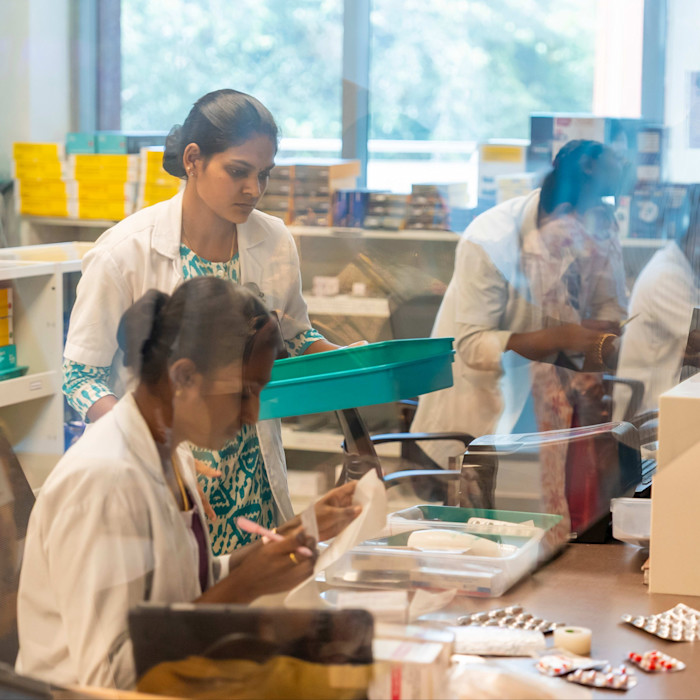
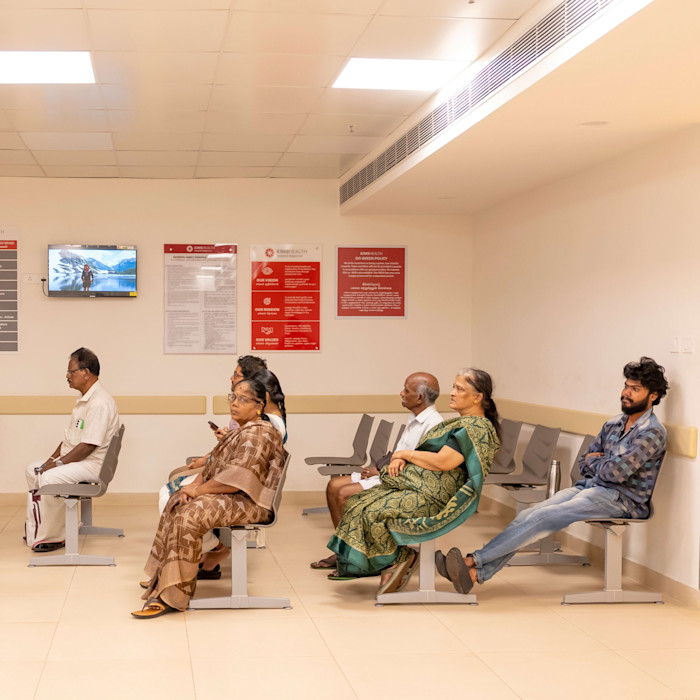
India spends less than 1.5 per cent of its GDP on public healthcare, a level that has shifted little since Prime Minister Narendra Modi vowed in his first term to increase it to 2.5 per cent by 2025. The outlay was described by a parliamentary committee report in August as “inadequate”.
Though largely free and heavily subsidised, India’s public hospital network varies widely. Many facilities are run down, overcrowded and suffer from acute shortages of medical staff and equipment, particularly in the rural hinterland where about 70 per cent of Indians reside.
The world’s most populous nation also has an estimated deficit of 2.4mn hospital beds, according to the Association of Healthcare Providers India.
Because of these gaps, the private sector — widely perceived to provide better, more modern treatment and shorter wait times — accounts for almost 60 per cent of all hospitalisations and 70 per cent of outpatient services.
“It has now become this juggernaut,” said Preeti Kumar, vice-president of health systems at the Public Health Foundation of India. “People have started talking in terms of equity, capital gains, profit-loss and market share, something that was absolutely missing from our lexicon 20 years ago.”
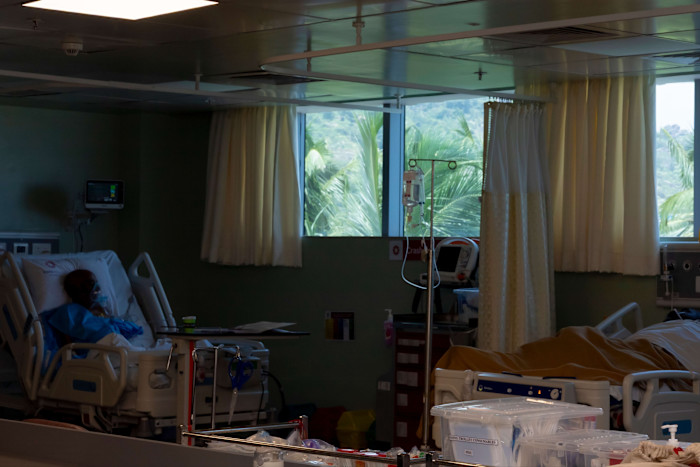
Private equity and venture capital have been a big driver of deals, with more than $14.5bn invested into the sector between 2020 and March 2025, according to consultancy EY.
Global buyout firms including Blackstone, KKR and Carlyle are acquiring hospitals, nursing homes and diagnostics companies, importing an investment strategy they have deployed in other countries for decades.
In one of the largest buyouts to date, KKR announced in August it would fully acquire Medicover India’s nearly 5,000-bed hospital business in a $1.4bn deal.
Bollineni Bhaskar Rao, founder of the 26-hospital operator Krishna Institute of Medical Sciences, pointed to India’s ageing population, rising chronic health burdens and ability to afford better treatment as factors behind the industry’s growth.
“Disease patterns have increased, the affordability has increased,” said Rao. “A lot of money is flowing in.”
The BSE Hospitals index is down 1.6 per cent this year, compared with the benchmark BSE Sensex’s 15 per cent decline over the same period. One of India’s largest hospital groups, Manipal Health Enterprises, has seen its share price gain 5 per cent since it raised nearly $1bn in an initial public offering in August.
“We see the healthcare space outperforming for its investors and it will continue to do so,” said Minhaz Lokhandwala, a Mumbai-based partner at law firm JSA who has worked on medical industry deals. “I don’t see that stopping at all because there’s so much penetration still left.”
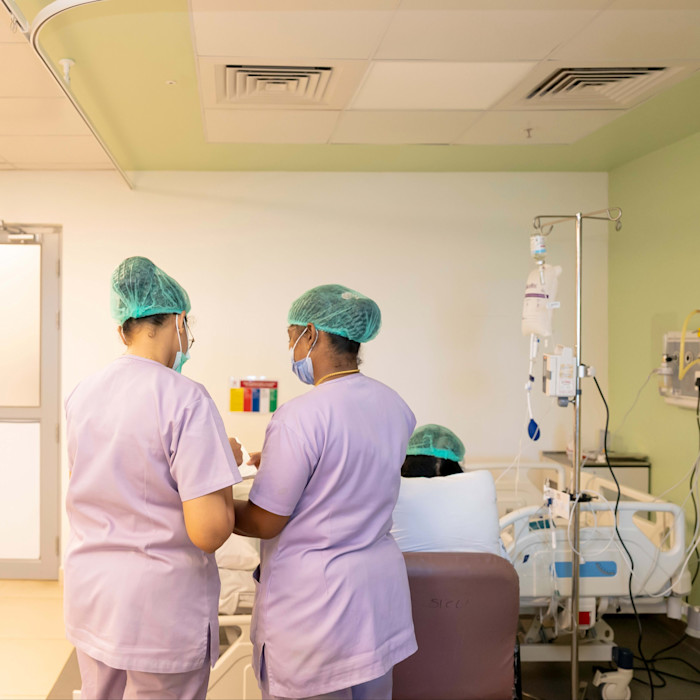
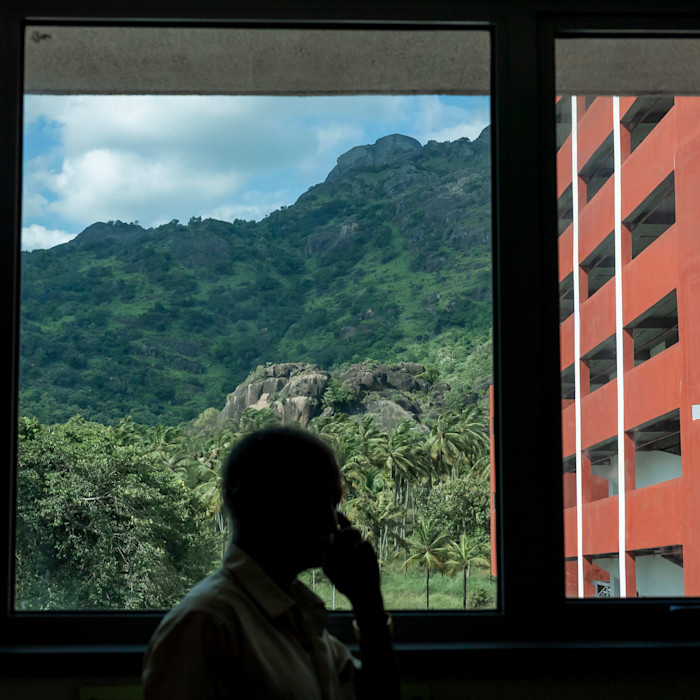
Indian rating agency ICRA estimated that 18 major hospital chains would spend about Rs400bn ($4.6bn) and add more than 34,000 beds over the next four years, with about 40 per cent of the new capacity destined for the country’s smaller cities.
“The next leg of the story would be in tier-two and tier-three cities,” said Tausif Shaikh, lead India healthcare analyst at BNP Paribas.
Typical of the expansion plans is Aster’s hospital on the outskirts of Nagercoil, a small city near mainland India’s southernmost tip. The 210-bed facility, flanked by lakes and emerald-green hills, opened two years ago to serve a community of a few hundred thousand.
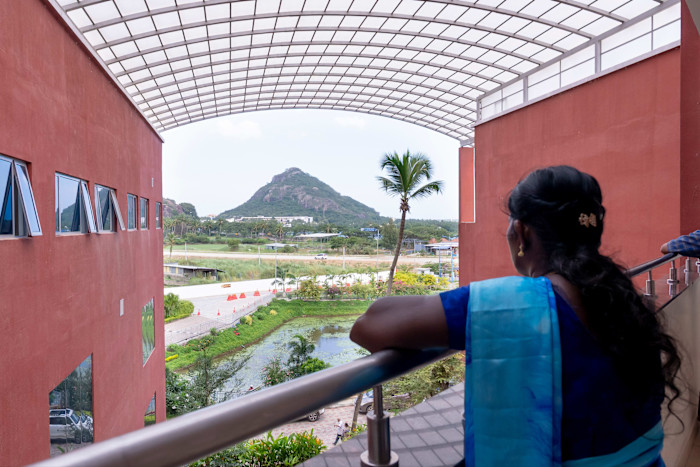
Patients at the hospital told the FT they appreciated not having to travel long distances for treatment in larger cities such as Thiruvananthapuram, about 50 miles north, a journey that could take more than two hours by road.
Khanna said avoiding such trips changed the economics for patients, who might have spent more on travel and hotel costs than on a stay at the local facility.
Public health experts warned that leaning even more on the private sector risked widening already stark inequalities. Indian households pay about 40 per cent of health expenses out of pocket, and the country has some of the highest medical inflation in Asia, between 12 and 14 per cent a year.
That has drawn scrutiny from New Delhi. Stays at privately owned Indian hospitals averaged $530, compared with $70 in public institutions, according to the parliamentary committee report published in August.
The committee criticised “heavy reliance” on private operators, where “unregulated costs for diagnostics, consumables, medicines and intensive care persistently push vulnerable households into indebtedness”.
It recommended new limits on foreign investment and “predatory corporate buyouts” of healthcare chains, which it said had inflated costs and triggered a “cascading effect of price hikes across the entire healthcare ecosystem”.
Industry executives argued that India’s public funding chasm meant it was unrealistic not to rely on the private sector.
“Healthcare in India is an enormous, unmet human need,” said the India head of a global private equity fund that has invested in the sector and asked not to be named. “Public spending alone cannot begin to close it, so you do need private capital to also step in to build the missing capacity.”