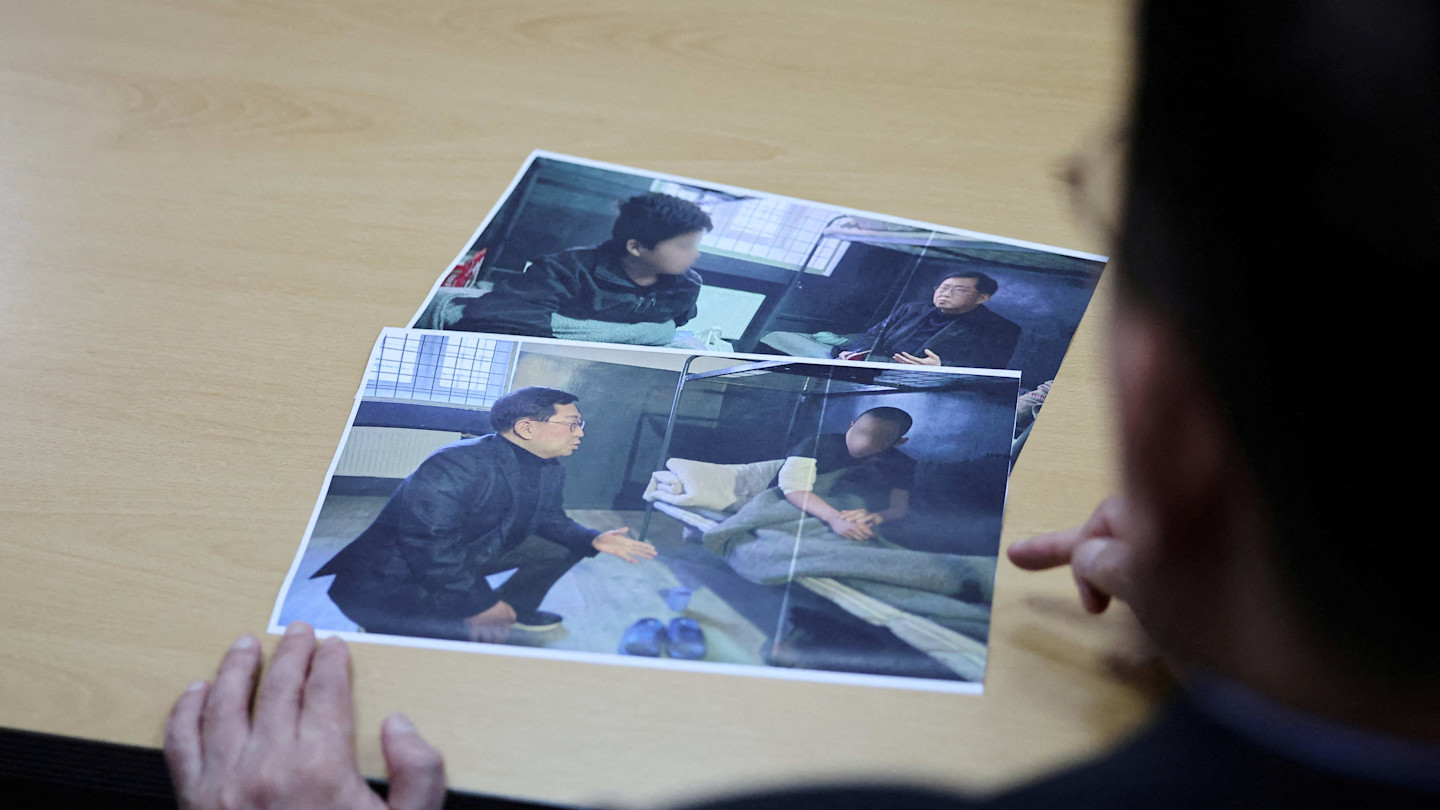
In a secure and secretive facility in South Korea, Seoul’s spies are questioning two young North Korean soldiers who have become some of the world’s most fought-over prisoners of war.
Ri, 27, a reconnaissance sniper, and Paek, 22, a rifleman, were among the estimated 15,000 North Korean troops sent to Russia since October 2024 as part of Kim Jong Un’s plan to boost the impoverished country’s coffers and military capability by providing soldiers to ally Vladimir Putin.
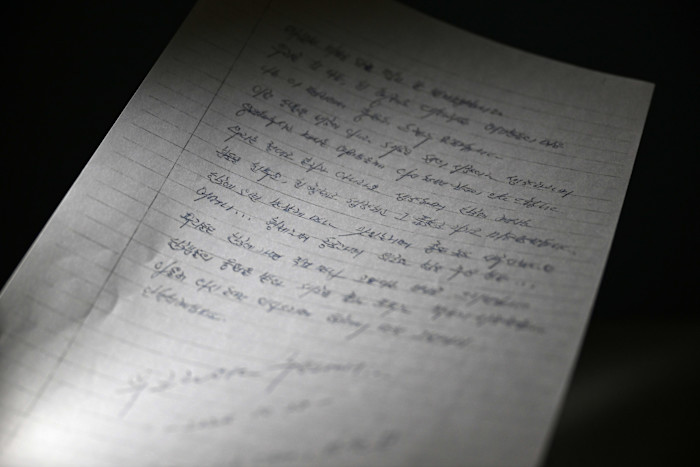
After just a few days of fighting, they were captured, detained for 20 months by the Ukrainians and then sent to South Korea in mid-September. The public revelation of that journey by Ukrainian President Volodymyr Zelenskyy has triggered an extraordinary diplomatic spat between Seoul and Kyiv that shows little sign of abating.
Zelenskyy’s comments at the UN General Assembly last month blindsided South Korean officials, who believed there was an agreement to keep it secret. Ukrainian authorities had also previously released footage showing the soldiers’ faces and disclosing personal details — and then later allowed interviews, including with South Korean media — a move that experts say could endanger the prisoners’ families as well as contravene the Geneva Convention.
On Thursday, Seoul pulled its ambassador in Kyiv over Zelenskyy’s disclosure and comments from his sanctions tsar regarding South Korean oil shipments to Russia, a South Korean diplomat told the FT. “The Korean government has decided to recall its ambassador to Ukraine to headquarters. The government expects that all pending bilateral issues will be amicably resolved and will continue consultations with the Ukrainian side to this end,” the diplomat said.
Ukrainian foreign minister Andriy Sybiha had earlier described the affair as a “diplomatic misunderstanding”.
The soldiers are the only two North Koreans known to have survived capture, and their fate has cast a fresh light on the thousands more sent to the Ukraine war and the terrible bind they face if taken prisoner.
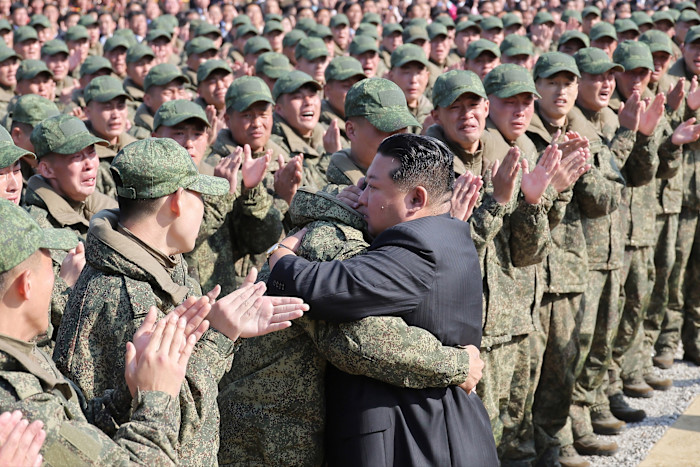
Most of the 15,000 have been sent to Kursk, where they have been used in infantry assaults, artillery operations and reconnaissance, often with little preparation.
Ri told his Ukrainian interrogators that he had left North Korea believing he was being sent abroad for training. He spent almost three months being trained in Vladivostok before being sent to the frontline.
After four days in combat, Ri was shot through the arm and jaw. He surrendered a grenade and knife after initially mistaking the Ukrainians for allies. He later lunged headfirst at a concrete pillar in an apparent attempt to kill himself, but his captors restrained him.
Paek had lain wounded for several days when Ukrainian troops approached. He searched for a grenade with which to kill himself rather than surrender. According to interviews given by the two men while in captivity, a Ukrainian commander discreetly removed his last grenade as they administered first aid.
These impulses were neither spontaneous nor unique.
“These guys are not easy to capture alive,” Zelenskyy said in his UN speech. “This is how they raise people in the North . . . And they drill into them that they must die, no matter what.”
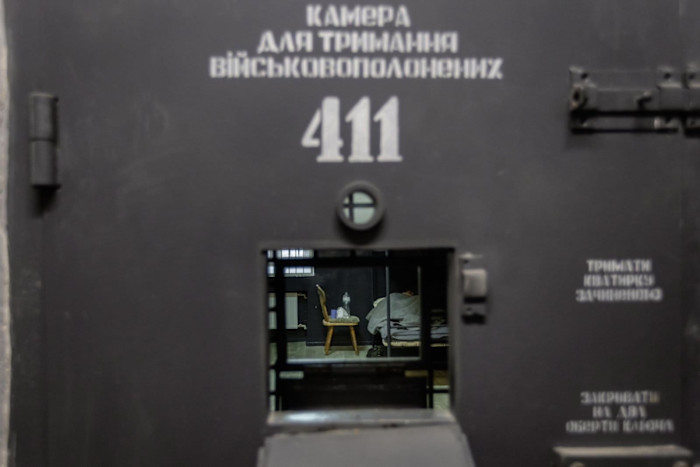
North Korean troops undergo relentless political instruction intended to make death preferable to surrender, according to Lee Hyun-seung, a former North Korean soldier now living in the US. During Lee’s own military service, ideological study sessions began at 8am every day and lasted about two hours.
“Soldiers are taught that it is natural — and honourable — to sacrifice their lives without hesitation for the regime, the party and the leader,” he said.
Fear too is a motivator. “North Korean soldiers understand what can happen to the relatives of prisoners of war, defectors or people labelled as traitors,” Lee said. Together, he added, indoctrination, shame and fear for their relatives could lead soldiers to choose suicide or death in combat because “they have been taught that there is no better option”.
In interviews “they said that being taken alive was considered the gravest of crimes, an offence so severe that returning to the North would mean not only their own deaths but also the extermination of three generations of their families”, said South Korean documentary maker Kim Young-mi, who interviewed the two soldiers in October last year in Ukraine.
Had they returned to the North, “they would likely have faced severe punishment for being caught and subject to public display — neither of which they had any choice over”, said Peter Ward of the Sejong Institute in Seoul.
In the unit in Seoul, NIS agents will try to verify the men’s identities and get as much information as they can from them about North Korean tactics and what they were doing in the war. This screening can last up to 90 days, with the possibility of a 30-day extension.
After that, the men are expected to enter South Korea’s long-established programme for North Korean defectors, including a 12-week course at the Hanawon resettlement centre. They would then receive housing, financial and employment assistance and security protection if needed.
Meanwhile, the war in Ukraine grinds on, and recent reports suggest North Korea is preparing to send more troops.
For Pyongyang, the war has been a “godsend”, bringing hard currency, battlefield experience and a powerful diplomatic patron in Moscow, said Andrei Lankov, a North Korea specialist at Kookmin University.
The relationship may have a limited lifespan, though, he added.
“Two or three years ago, North Korean support was extremely important,” Lankov said. Russia was desperately short of ammunition, while North Korean artillery shells “mattered a great deal” and its soldiers proved effective in Kursk.
“Nowadays, the nature of the war has changed considerably, so North Korea is probably less important than it used to be.”
As for Ri and Paek, Kim, the documentary filmmaker, hopes to see them again in Seoul, and wishes they can eventually be known for something other than membership of the army that sent them to die.
“Now that they are free, I hope they become ordinary young men who can pursue studies in singing and computers, just as they told me they wanted to do,” she said.
Additional reporting by Christopher Miller in Kyiv