Mexico’s beach destinations have suffered an unexpected slump this year, with international traffic at Cancún airport down almost 12 per cent annually in September, as a strong peso, insecurity and pungent seaweed pushed Americans to holiday elsewhere.
Mexico had been hoping for a bonanza tourism year while co-hosting the football World Cup, but international arrivals to its airports are down 1.9 per cent for January to August compared with a year earlier, with US passenger visits down 5.8 per cent. The largest drops were at beach destinations such as Puerto Vallarta, San José del Cabo and Cancún, according to government data.
A surge in Canadian holidaymakers shunning the US over Trump’s trade war was not enough to offset the fall in Americans. By contrast, Spain and the Dominican Republic have received more US visitors.
The decline has further squeezed the country’s lacklustre economy, which has been pummelled by trade disputes with the US. GDP grew just 0.6 per cent in 2025 and is projected by the IMF to climb 1.2 per cent this year, pressuring President Claudia Sheinbaum who inherited Mexico’s largest fiscal deficit since the 1980s.
“Mexico needs to revisit its strategy,” said Francisco Madrid, director of the Sustainable Tourism Advanced Research Center at the Universidad Anáhuac Cancún. “In the pandemic we won market share in a big way, [but] now that US demand is shrinking.”
The drop in visitors is driven in part by Mexico’s peso strengthening almost 12 per cent over the past 18 months because of high relative interest rates and US uncertainty under Trump, making it more expensive.
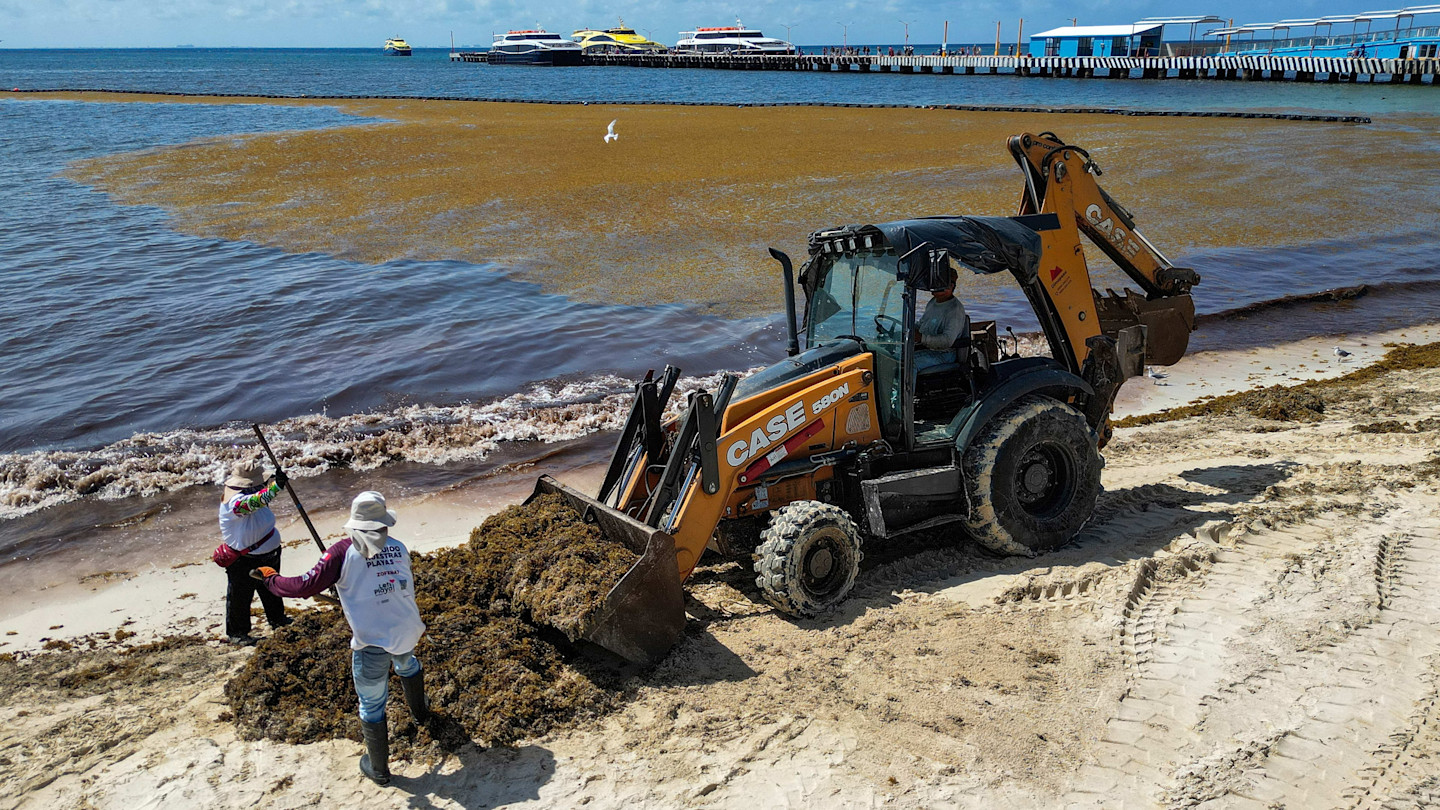
Some of its most famous resorts have also been plagued by sargassum, a bad-smelling seaweed that is increasing as seas warm, ruining its white sand and crystal-clear sea. Cancún, which over five decades turned from a barren barrier island to one of the world’s busiest beach destinations, suffered a record sargassum haul this year.
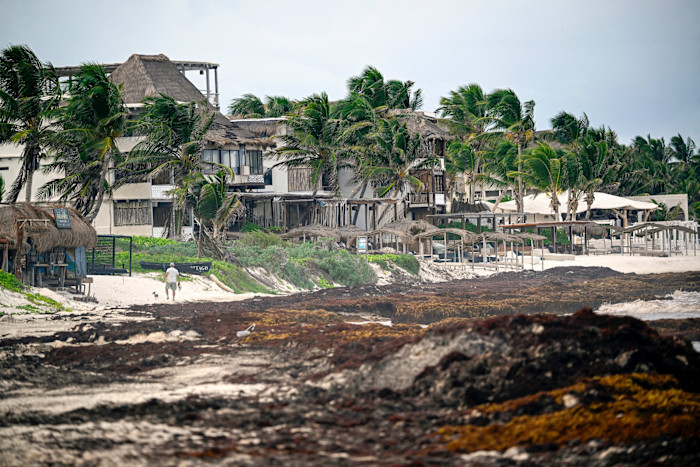
Nearby Tulum has become a cautionary tale with international arrivals to its airport down more than 40 per cent this year. Once a humble eco-tourism destination, it has become home to electronic music festivals and parties. A real estate bubble has burst, but rental prices remain high despite potholed roads and visible rubbish.
Like many beach destinations, Tulum has also suffered from worsening security as cartels move in to access wealthy tourists.
“It wasn’t just that people started coming for parties, but also that insecurity shot up because it became a gold mine for people selling drugs,” said Mercedes Rodríguez, 35, who runs a nature and archaeological tour company in Tulum.
Beach city Puerto Vallarta in western Mexico suffered a slump after images of roadblocks and billowing smoke towers circulated around the world in February when Mexican forces killed cartel boss Nemesio “El Mencho” Oseguera. International arrivals there are down 19 per cent in the year to August.
Mexico’s government has blamed external factors like the cost of fuel for the fall in tourism. This week, officials said reductions of flights to Tulum were due to business decisions, not insecurity, and that there were still many tourists.
Tourism accounted for more than 8 per cent of Mexico’s GDP in 2024. Though overall foreign visitor numbers are up 7 per cent this year, that is skewed by cruises and day visitors at the US border, who spend far less on their trips.
The strong peso has also pushed many higher-earning Mexicans to take more holidays abroad, with outbound trips up by double digits, Madrid said.
The currency has begun weakening as the US Federal Reserve starts raising interest rates, but winning back lost visitors is not easy.
Mexico’s previous government slashed tourism marketing spending and disbanded a network of agents and offices that promoted its image. Sheinbaum has proposed raising a tax on tourists by 35 per cent to help balance the public finances, but the industry is pushing back.
“What we’re asking for is simple: that part of what visitors pay to enter the country is invested in bringing the next one,” said Jorge Paoli, president of the National Association of Hotel Chains.