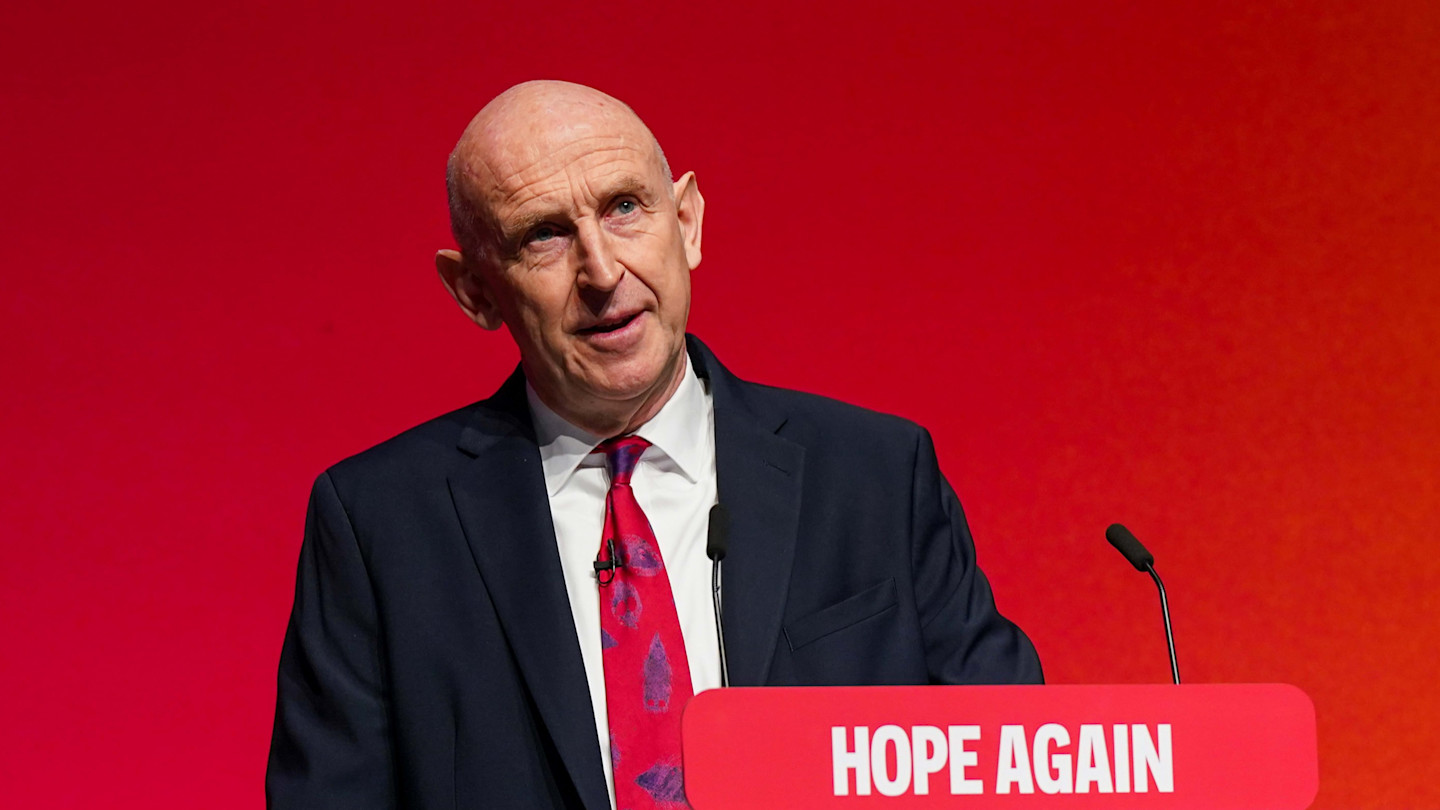
John Healey risks losing bond investors’ confidence and delivering a “work of fiction” Budget if he fails to explain how he will fill a £35bn hole in the UK government’s spending plans, the Institute for Fiscal Studies has warned.
The UK chancellor will need to find £35bn in tax rises or welfare cuts by 2030-31 if he wants to avoid real-terms cuts to some areas of public services, sustain growth in health budgets and bring defence spending to 3 per cent of GDP, the think-tank said on Monday.
Even though official forecasts were likely to show Healey on course to meet his fiscal rules, higher inflation on top of many other pressures would have a corrosive effect on Whitehall departmental budgets, according to its analysis.
Helen Miller, IFS director, said leaving tax and spending plans unchanged on October 28 would mean the government “making a choice for public services to be doing less or lower quality”, warning: “A do-nothing Budget is not an option.”
To retain credibility with bond investors, Healey must set overall spending envelopes “that he would be genuinely prepared to live within”, she added. “Simply pencilling in implicit cuts that he has no intention of delivering would make the Budget a work of fiction.”
Even before the Iran war, the plans Healey inherited from previous chancellor Rachel Reeves implied big productivity gains across the public sector, and a sharp squeeze in some areas of public services from 2028-2029 — a period for which departmental budgets have not been set.
Now public sector pay is rising faster than expected and the higher inflation unleashed by the conflict is eroding the real value of non-pay budgets.
If the government wanted to offset all these pressures, while continuing to increase health spending by 2.7 per cent a year, it would need to top up departmental budgets by £24bn in 2030-31, the IFS estimated.
Meeting Healey’s ambition to raise defence spending to 3 per cent of GDP would cost an extra £11bn in that year, the think-tank found.
A “credible set of plans” could mean a slower increase in health or defence spending, cuts to welfare or savings elsewhere, Miller said.
But given fragile sentiment in bond markets, borrowing more to fill the gap would not be sensible and Healey could not simply defer decisions until a spending review next year, she added.
Despite the stark warning on spending, the IFS is more optimistic about the outlook for public borrowing than many other forecasts, including estimates published last week by the FT.
It predicts the chancellor will still have some £20bn of “headroom” against his key fiscal rule of balancing the current budget by 2029-30 — implying only a modest deterioration from the March forecast of £24bn.
This borrowing prediction is based on economic forecasts by analysts at Barclays, who expect resilient growth in GDP, helped by AI-related investment. The main reason for the gap with other forecasters, however, is that the IFS expects inflation to deliver a bigger boost to tax revenues.
Healey will travel this week to Bangkok to attend the annual gathering of the IMF and World Bank, which are urging governments to rein in public spending and cut debt against a backdrop of high global borrowing costs.
Ahead of the summit, Healey said countries worldwide were feeling the effects of the conflict in the Middle East but that he would work to “keep trade moving, support families and businesses and make Britain’s economy stronger”.
“My Budget will build on this approach with fiscal discipline helping to deliver economic resilience. This means breathing space for today and hope for the future,” he added.
The IFS said its borrowing forecast remained highly uncertain, building in judgments on employment, migration and welfare spending, while changes to the earnings forecast alone could leave headroom £10bn higher or lower.
Both the IFS and others argue that the precise size of Healey’s fiscal buffer will not be the most important factor for bond investors scrutinising his Budget.
Lord Jim O’Neill, an economist and informal adviser to Andy Burnham, told the FT last week that the prime minister’s long-term commitment to fiscal discipline — including by scrapping the pensions “triple lock” — was “much more important than whether he lowers his buffer by £10bn”.
Andrew Griffith, Conservative shadow chancellor, said: “Families cannot afford to be lumbered with even more tax rises at this Budget. Labour should cut welfare instead of dumping on working people as they have already done.”