By Edward Clark and Laura Gardner Cuesta | Updated on Jun 10, 2026 at 11:14 AM
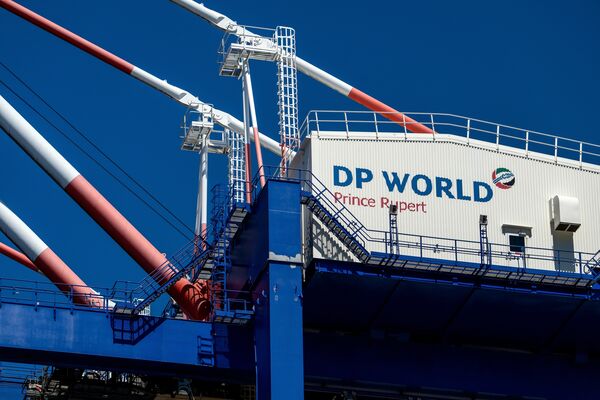
DP World Ltd., one of the world’s biggest container port operators, has been meeting with fixed-income investors to discuss its performance since the outbreak of the US-Iran war as the Dubai logistics giant mulls its options for repaying a bond due in a few months.
The conflict in the Middle East and the closure of the Strait of Hormuz has put considerable pressure on global supply chains and disrupted volumes going through local ports. More than three months into the war, commercial traffic via the key waterway remains limited as the stalemate between the two sides drags on.
Volumes going through DP World’s flagship Jebel Ali port in Dubai dropped by 30% during the first three months of the year, according to an investor presentation on the company’s website. That year-on-year decline only captures one month of major disruption from the war given its outbreak at the end of February.
To allay concerns investors might have about the business, DP World’s management has been engaging with local and international fund managers ahead of the September maturity of a €750 million ($867 million) debt, according to people familiar with the matter.
Although the company could repay the obligation using cash reserves, it will also look to return to the bond market to refinance it if possible, said the people, who asked not to be identified discussing private meetings.
A spokesperson for DP World, which is owned by Dubai’s government, declined to comment. The company runs Jebel Ali port and the associated Jafza industrial area, which account for around a third of the emirate’s gross domestic product. Although the complex has remained open during the conflict, the closure of the strait has left it isolated.
DP World’s businesses span ports, terminals, economic zones and logistics services across the globe, generating more than $24 billion of revenue last year. Last month, the group began offering cargo owners navigating Middle East trade routes disrupted by the conflict “war risk” insurance covering conflicted-related loss or damage.
Read More: DP World Offers War Insurance for Mideast Cargo: Supply Lines
DP World hasn’t attempted a bond issue since the outbreak of the war. The price of its debt fell after the onset of the conflict. A $1 billion bond that matures in 2029 dropped around 3 cents on the dollar in March to as low as 94.9 cents, and is currently marked at 95.6, according to price data compiled by Bloomberg.
In a report published on June 4, Fitch Ratings flagged that while DP World has $2.6 billion of total debt maturing this year, the group should be able refinance or repay it through access to capital markets and available liquidity. At the end of last year, DP World had around $4.7 billion of cash and short-term investments, according to its annual results.
Moody’s Ratings grades DP World at Baa2, two steps above junk, while Fitch has it at BBB+, three levels above junk.
Several Middle East borrowers have been able to raise funds in the bond market since the April announcement of a ceasefire, including the Bahrain government , which is graded B by Fitch and S&P Global Ratings, five rungs below investment grade. That truce is proving fragile, however, with tension escalating again in the region.
Read More: US Strikes Iran After Helicopter Downed, Testing Peace Talks