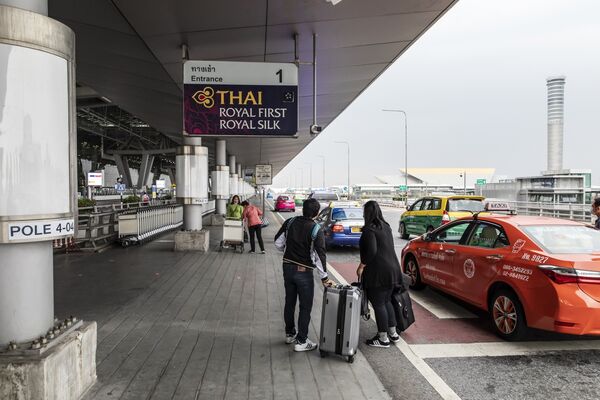
Thai Airways International Pcl sees travel demand softening the rest of this year as concerns escalate about the economic fallout from the Iran war and some of the biggest airlines drop prices.
“The consumer has to think twice before spending money, that’s why we saw some slowdown in forward bookings coming in,” Chief Executive Officer Chai Eamsiri said during an interview at the International Air Transport Association meeting in Rio de Janeiro.
The war initially boosted sales for the flag carrier because passengers were looking to bypass hubs in the Gulf region, but Thai Air now has to contend with lower fares from rivals based there, Chai, 64, said Monday. The airline already reduced flights in recent months, citing weak demand and high jet fuel costs.
Still, sales remain strong for the front of the cabin, and Thai Air plans to retrofit 14 jets to include a premium economy seat because younger travelers are willing to spend more for comfort, Chai said.
It’s also held talks with Boeing Co. and Airbus SE to purchase about 10 widebody aircraft to spur its long-term growth plans. Thai Air is considering the Boeing 777X and the Airbus A350-1000 but will wait until the the US planemaker’s jet is certified and in operation before finalizing a decision.
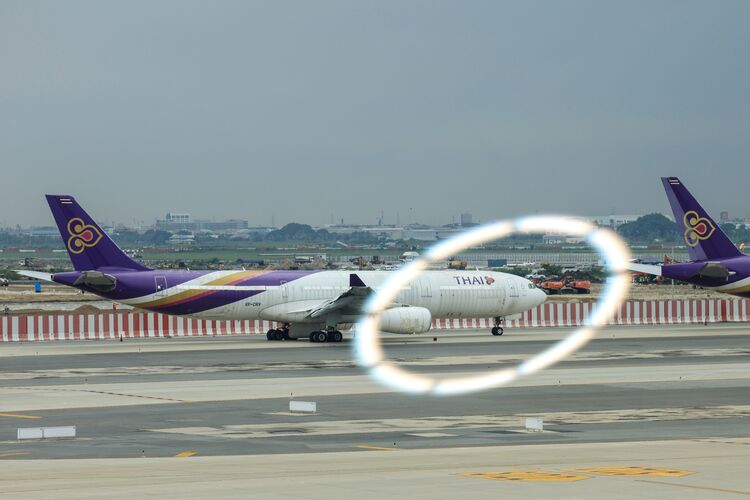
Airlines in Europe, Africa and Asia saw a boost in demand when the Iran war halted operations for the likes of Emirates and Qatar Airways. The Persian Gulf carriers spent decades building out their hubs to connect continents.
Read More: Airlines See Gains Wearing Off From Persian Gulf Rivals’ Absence
Then missiles and drone attacks brought a halt to tens of thousands of flights and stranded passengers. Flyers turned to Thai Air, Kenya Airways, Deutsche Lufthansa AG and Air France-KLM, which all saw short-term bumps in long-haul travel.
Now, airline executives sense their moment of opportunity will end soon as Emirates, Qatar Airways and Etihad Airways get more of their planes in the skies and increase capacity.
Etihad is keeping fares stable despite a 70% jump in fuel costs, CEO Antonoaldo Neves said in an interview this week, calling the move a “transition phase.”
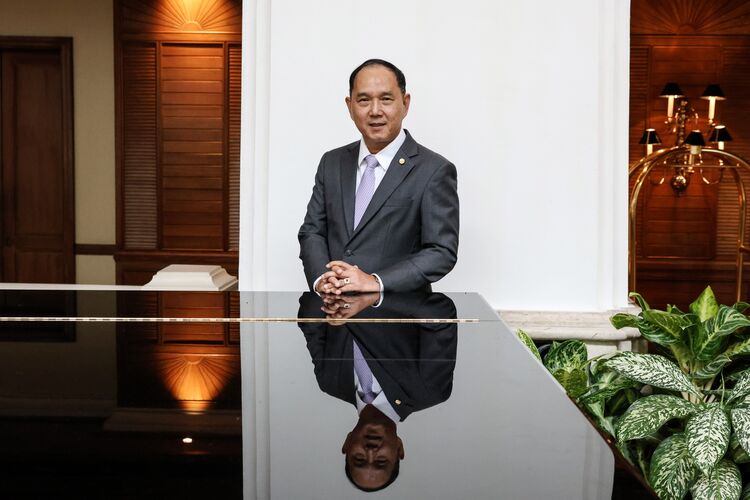
Chai, who’s been at Thai Air for four decades and returned it to profitability, said he plans to step down when his contract expires in January. The carrier is the second-best performer on the Bloomberg world airlines index this past year.
“I’d love to finish my term,” Chai said. “By then, everything should be improving. Otherwise, in seven months or eight months, if the market is not improving, I think a lot of our airlines will be in trouble. We will be in trouble.”