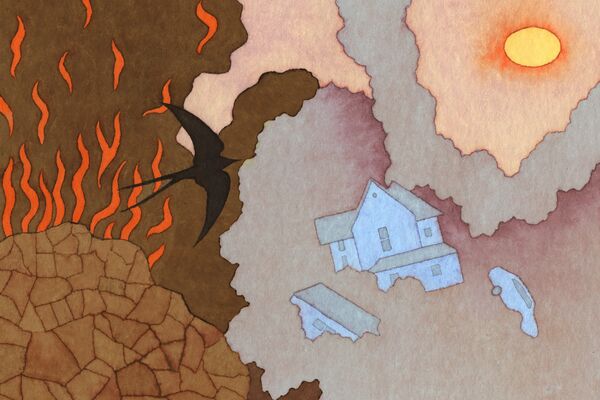
The last time El Niño emerged from the tropics, in 2023, nearly every corner of the economy felt its impact. Candy-bar makers reduced the amount of chocolate in their offerings, after drought in West Africa triggered higher cocoa bean prices. Some transatlantic flights got longer and others got shorter and bumpier, altering fuel consumption. Even soap prices bubbled up, as key ingredients became harder to source .
The effects of the El Niño that just arrived threaten to be far worse. The US Climate Prediction Center said on Thursday the conditions, which it calculates emerged in May, will continue gathering strength and peak over the winter, raising the risk of punishing heat waves, severe drops in rainfall and devastating deluges in various corners of the world. That doesn’t bode well for governments, businesses and households already struggling with higher inflation linked to the US and Israel’s war in Iran.
Even before the CPC declared the event’s official arrival, the US Department of Agriculture had said it sees domestic food prices increasing by as much as 4.7% in 2026 from a year earlier, the biggest leap in three years. For products made from sugar and cocoa — the two crops most at risk from El Niño droughts , according to Marex Group, a financial-services firm in London — the USDA expects prices to jump as much as 8.4%. The last time the world faced such a strong El Niño, in 2015 and 2016, the result was more than $7.8 trillion in lost productivity, based on a Dartmouth College study, with the economic effects continuing to ripple for years afterward.
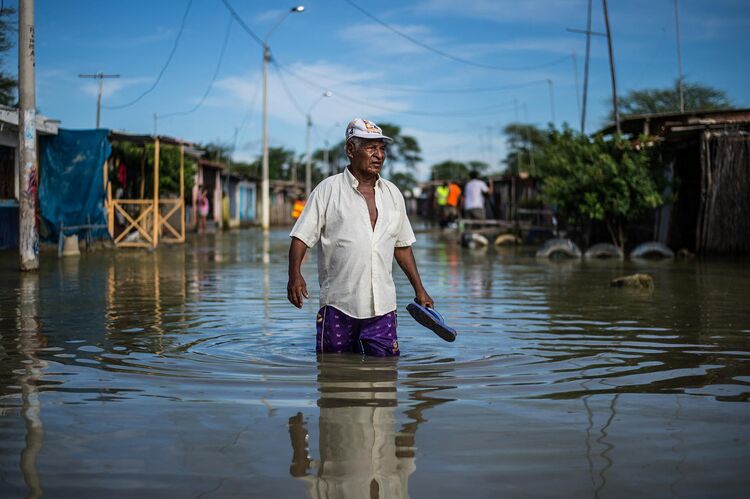
El Niño — or “the child” in Spanish, named for baby Jesus because Peruvian fishermen in the 1600s first noticed the phenomenon around Christmastime — is a weather pattern that occurs with sustained warming of Pacific Ocean surface temperatures. Trade winds weaken and sometimes even run backward, which in turn further increases the temperature of the ocean. This leads to patterns of high and low pressure that translate into excessive rains in some parts of the world and drought in others. It’s a normal, cyclical event that used to come and go with little fanfare, except in the rarest of years.
Climate change — which loads the atmosphere with additional heat and moisture — can amplify its impact. In fact, forecasters have had to change their methods for measuring El Niño to account for the oceans getting significantly hotter. On the new scale, this episode looks as though it will be, at its peak, nearly or equally as strong as major outbreaks in the early 1980s and late ’90s, making it one of the most significant events in modern history. Some forecasters are going so far as to call it a “super” El Niño . “The simple thing I say is: Expect more volatility with an El Niño,” says JPMorgan & Chase Co.’s global head of climate advisory, Sarah Kapnick, and not just in areas we think of as traditionally vulnerable.
No two El Niño events are the same, so it’s not clear yet what exactly the unfolding phenomenon will bring. “Given the lead time with this, we’re still very cautious that things can slow down or speed up over the next few months,” says Emma Sanig , a meteorologist and research analyst for Marex. But recent cycles offer some clues.
Past El Niño periods have broken temperature records , sparking deadly heat waves that sent power demand surging. Paired with low rainfall, El Niño often causes staple crops to wither in parts of Southeast Asia, Australia and West Africa. India’s monsoon rains came in late this year and are predicted to run roughly 10% below normal, possibly creating water shortages that could pose a challenge to the production of rice, sugar and seeds for cooking oil and cosmetics. The country’s farmers can turn to diesel-intensive pumps for irrigation, but that’s a costlier option, as the war in Iran continues to restrict the flow of crude oil. This puts pressure on central bankers weighing the pain of higher inflation against potential interest-rate hikes .
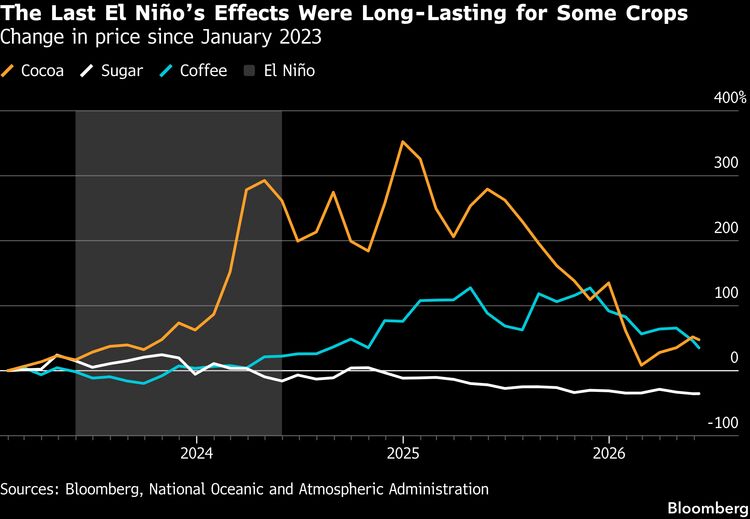
At the same time, the phenomenon often drives heavy downpours in coffee- and cocoa-producing regions of Latin America just as the harvest gets underway, making it difficult to get crops to market. Global cotton production can also take a hit, pushing up prices for clothing, diapers and medical equipment. Typhoons juiced by El Niño in past cycles have destroyed coastal power infrastructure. They can also obscure solar arrays in Japan, forcing generating plants to switch to dirtier fuels.
It’s not all bad news. El Niño can help certain crops, bust droughts in Southern California and reduce the number of hurricanes in the Atlantic . The problem is that, as the planet gets hotter, El Niño has started to buck some of these expectations. In 2023, for instance, forecasters expected El Niño to help rip apart storms and create a quieter hurricane season; instead, the Atlantic saw one of its busiest storm years on record , an unusual occurrence in an El Niño year. The culprit was an ocean heat wave that helped fuel more tropical systems.
So far, US forecasts are calling for a calmer-than-normal hurricane season in 2026, but that’s been little comfort to property insurers. Clients of Aon Plc have been reassessing financial reserves in case a tropical storm hits the US, says Liz Henderson , the global reinsurance broker’s head of climate risk advisory. Higher prices would have “downstream impacts on the cost of replacement,” she says. “If there is an event, it could be more expensive.”
One reason this El Niño could be particularly detrimental is that businesses have already been changing practices and turning to backup suppliers for some inputs because of the war in Iran and the closure of the Strait of Hormuz. Farmers in some markets, for instance, have scrimped on fertilizer applications — or switched to cheaper but potentially less effective options like manure, almond shells or urine-based products — in response to dwindling industrial supplies and higher prices. Lower fertilizer use alone could reduce crop yields at the next harvest, so El Niño’s hit would only amplify the pain.
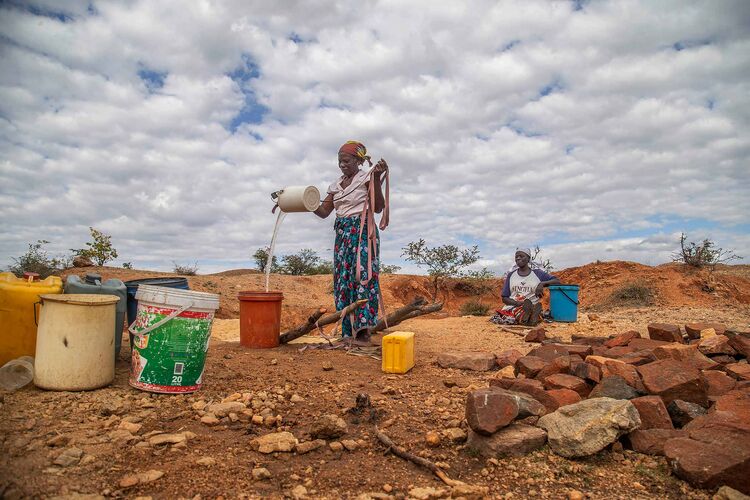
In countries where incomes are lower and groceries tend to eat up a greater share of household budgets, the risks are even higher. The Food and Agriculture Organization of the United Nations is warning of widening food insecurity and water shortages ahead in Latin America and the Caribbean. Similar dynamics in southern Africa could follow . “El Niño conditions will pour fuel on the fire of a warming world,” UN Secretary-General António Guterres said in a statement in early June. “Impacts will hit even harder, travel even further and cross borders with devastating speed.”
The last El Niño, which wound down in 2024, battered countries that were already struggling with supply-chain disruptions and fuel shortages stemming from Russia’s war with Ukraine. When the drought conditions it triggered meant water levels in the Panama Canal fell too low for some cargo vessels to safely cross it, shipping restrictions stacked up. That put a kink in the flow of goods around the world, including the crucial movement of liquefied natural gas, the fuel that increasingly keeps the lights on around the globe. This time around, the Panama Canal Authority has been taking steps to preserve water levels since December 2025, months before El Niño was set to emerge. It’s now planning for an expanded dry season that starts weeks earlier than normal . “We have made early decisions to operate as if we were in some water-restrictive condition, which we are,” says Ricaurte Vásquez Morales, administrator of the authority.
The global, interconnected nature of the modern supply chain adds to the risks. This May, for instance, Peru halted anchovy fishing off its coast due to the warming waters. Even if most people don’t think they buy Peruvian anchovies, many ultimately do: The catch is often ground into fish oil or fishmeal, much of which is used to feed farmed fish, poultry and pigs. The halt to fishing in Peru signals higher costs ahead for various animal proteins — and with so many categories of food already at or near record-high prices , that may be one storm more than many global consumers can weather. —With Pratik Parija, Ruth Liao and Michael McDonald