Growing numbers of orcas and whale sharks have started appearing off the coast of Mozambique, in an unusual development that’s coincided with the formation of the El Niño weather cycle.
Scientists at the Bazaruto Center for Scientific Studies , Africa’s only ocean observatory, say such sightings — once exceedingly rare — have become a common occurrence in recent months. Changes in currents and water temperatures in the Mozambique channel that stretches between Madagascar and the African mainland may be affecting plankton levels and other marine food sources, according to Mario Lebrato, chief scientist at the observatory.
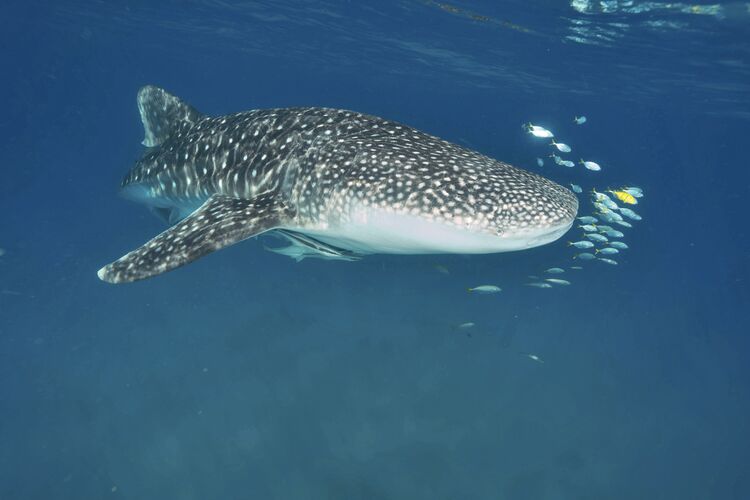
“We had seen zero so far and all of a sudden I’m seeing them weekly, starting at the end of last year,” Lebrato said in an interview.
“Is it El Niño-connected? I don’t know,” he said. “But if you have this time series and you haven’t seen it before, you can start thinking that there might be a connection.”
The cyclical climate phenomenon that begins when the atmosphere reacts to warming across the equatorial Pacific Ocean is this year expected to be the most severe since records began in 1950, according to the US Climate Prediction Center. Warming ocean waters cause droughts in some parts of the world and floods in others. They also alter the behavior and migration patterns of animals around the world.
The observatory was established in 2017 by Nina Flohr, a Swiss businesswoman and daughter of the founder of VistaJet Group Holding SA, which operates a fleet of private jets for wealthy clients. Flohr, who married Prince Philippos of Greece and Denmark, remains its owner. Funding for the observatory comes from income from the Kisawa Sanctuary, the resort owned by Flohr and her husband, at the same location.
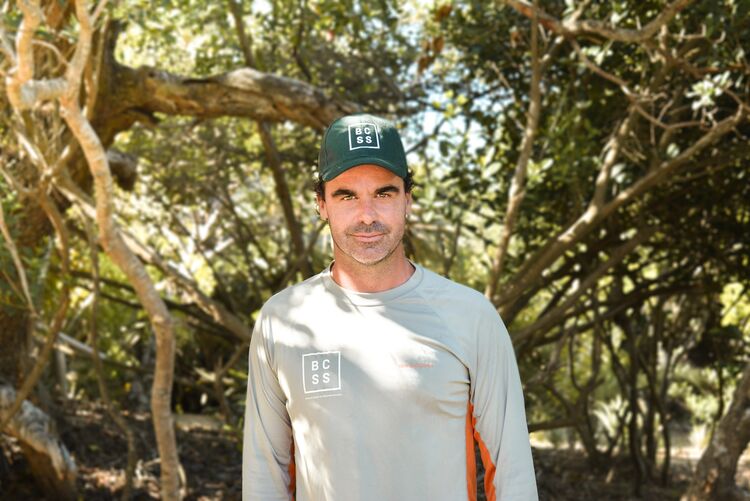
“Temperatures are changing, the water mass changes, animals move,” said Lebrato, whose observatory is located on Benguerra Island in the Bazaruto archipelago. “They don’t know if it’s Bazaruto or South Africa or Tanzania. They just move around wherever conditions are relevant for them.”
The obersvatory monitors ocean data that was previously not available for the region, including sea surface temperatures, absolute humidity, precipitation and salinity. It also gathers data on waves, swells, tides and current speeds. The data is open to researchers and can help scientists calibrate their models to make more accurate projections for a part of the world where this data has historically been lacking.
The observatory works in collaboration with governments and research institutions, Lebrato said. Together with private businesses including engineering firms, oil and gas companies as well as consultancies, they’ve used their data to calibrate their own models and to conduct environmental assessments.
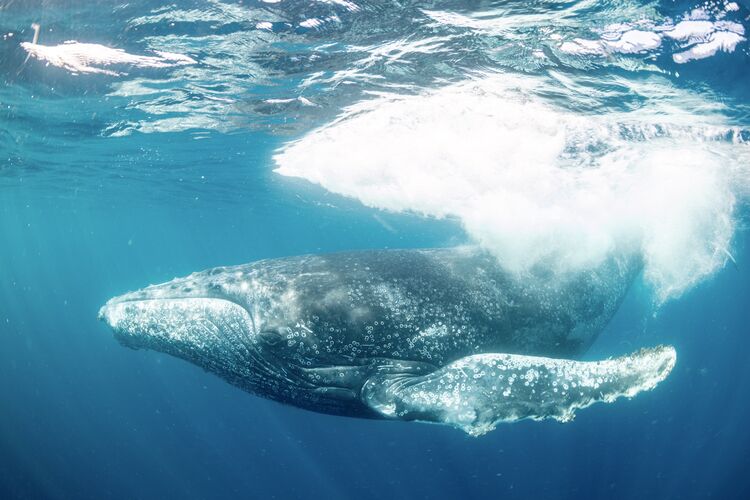
In addition to the orcas and whale sharks, Lebrato said in the more than 7,000 square kilometers (2,703 square miles) of ocean that the observatory monitors, a range of other species normally not associated with the area have been spotted, including leatherback turtles and other kinds of sharks.
“We’ve been seeing more hammerhead sharks than usual,” Lebrato said. And “we saw one species of dolphin that we didn’t see before.”