By Danial Azhar and Kok Leong Chan | Updated on Oct 06, 2026 at 10:21 AM
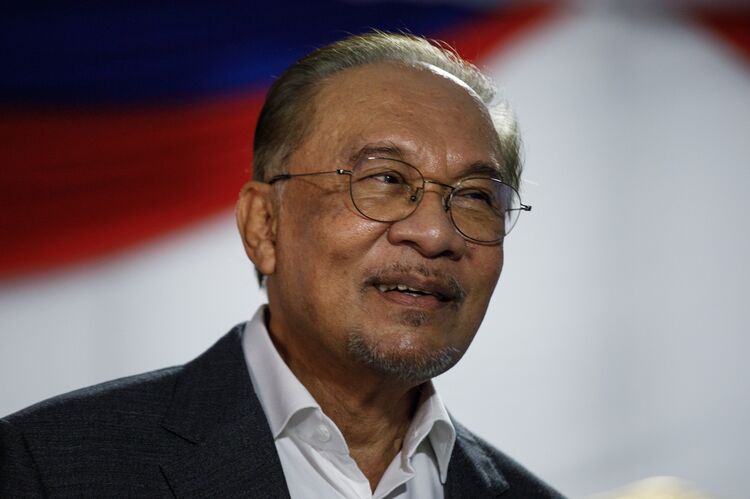
Malaysian Prime Minister Anwar Ibrahim said more than 10,000 people have been repatriated to Myanmar this year and he will raise the issue of sending more home when he meets Myanmar President Min Aung Hlaing this week.
Min Aung Hlaing, the former junta leader now installed as Myanmar president, will visit Malaysia to discuss further repatriations, Anwar told parliament Tuesday. He will be in the country from Wednesday through Thursday, according to the Ministry of Foreign Affairs. An estimated 200,000 Myanmar refugees currently live there.
Malaysia last week announced the repatriation of 1,476 Myanmar nationals in the first stage of a plan to send 5,000 people back to the war-torn country. The program, which Malaysia’s government said was a “voluntary and phased repatriation” plan coordinated with Myanmar, has sparked concerns among groups like the United Nations refugee agency due to the ongoing conflict there.
“The conditions we have given to Myanmar are first they must take back their citizens and they must guarantee humane treatment of their own people,” Anwar said.
Read More: Malaysia to Return Thousands to Myanmar, Prompting UN Concerns
The premier said human rights groups that have raised concerns about the plans have not offered alternatives for addressing the refugee situation in Malaysia. He said the more than 10,000 people repatriated since January all provided their consent.
“The Myanmar government and its foreign ministers have given assurances to our foreign minister, and president (Min Aung Hlaing) has also given assurances to me,” Anwar told lawmakers. “That is the best we can do regarding their repatriation, otherwise, there is no solution.”
Min Aung Hlaing has sought to revive relations with Myanmar’s neighbors and ease the country’s isolation since the 2021 coup he led against Aung San Suu Kyi’s elected government. Anwar said Thailand, Cambodia, Laos and Vietnam have also invited the Myanmar president to visit their countries.
Malaysia has long provided refuge to Myanmar nationals, particularly ethnic Rohingya fleeing persecution. But public attitudes toward the Rohingya have hardened in recent years, with a surge of hostile and sometimes false claims about the group spreading on social media.
Malaysia also doesn’t formally recognize refugees under its domestic laws, leaving them without a right to work and vulnerable to arrest and immigration detention.
The government is meanwhile reviewing the UN refugee agency’s role in the country in managing refugees. Anwar said Tuesday that Malaysia will negotiate with the UN to ensure the country complies with international norms.
“The affairs of our country should be managed by our own institutions,” Anwar told parliament. “They should not be determined by foreign officials deciding who qualifies and who does not.”