The Conservative Party arrived at its annual convention determined to reclaim the mantle of sound money. The message is starting to land with business, even if voters will need some convincing first.
To claw back favor, Conservative leader Kemi Badenoch’s shadow cabinet is aiming at the pocketbooks of the affluent Britons they had long considered their base. They vowed to scrap the so-called mansion tax that would introduce higher charges on properties worth £2 million ($2.6 million) or more, and restore benefits to families within the top 5% of earners.
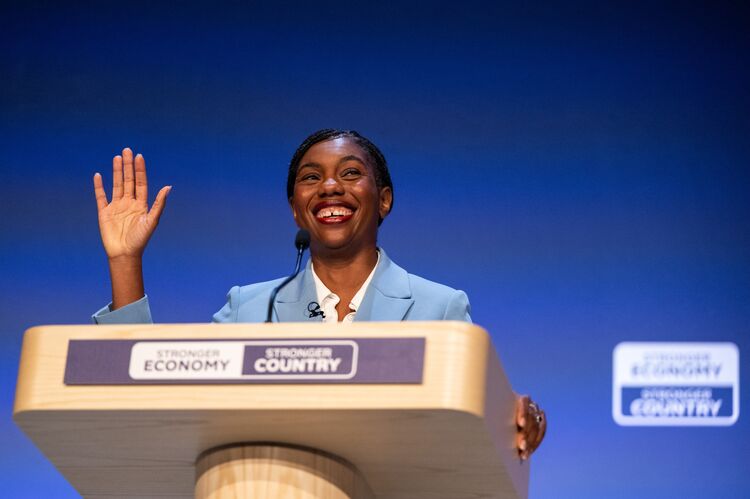
Badenoch will tell her party to prepare for a political fight described by her as “a battle for the soul of this nation, a battle of ideas” as she positioned herself as the antidote to the state-directed economic plans of Prime Minister Andy Burnham and his Labour Party, which she argues will result in higher taxes and borrowing.
“The fundamental problem we have right now is that our country is running out of money. Almost everything else flows from this,” Badenoch is expected to say, adding: “Unless we start creating more value, unless we start growing our economy, something is going to break.”
The Conservatives remain at a difficult starting point: untrusted on the economy and trailing both Labour and Nigel Farage’s populist Reform UK in the polls. Behind closed doors, Badenoch’s newly appointed shadow chancellor of the exchequer, Andrew Griffith, was questioned about how the Conservative government would move beyond the problems of the past, according to Bob Wigley, chairman of the trade body UK Finance.
Badenoch has hinted in interviews in recent days that she will announce a pledge to scrap inheritance tax in her speech on Wednesday morning in Birmingham. Speaking ahead of the speech, her deputy Alex Burghart stopped short of making any commitment on inheritance tax, telling Sky News Badenoch had asked her party to look into the policy but insisting it would only go ahead “if we can afford it.”
“It would be a big commitment and we’re going to if we can,” he said. “If we’re going to do it, then we’ve got to make sure that we can afford it. And there are a lot of pressures on the public purse because of the decisions the Labour government have made.”
Two years on from an historic election defeat and four years on from Liz Truss’ disastrous, market-roiling budget, such proposals have left executives cautiously optimistic about the Tories’ trajectory. Griffith said “a Conservative government in the future would be much more focused on business and creating conditions for growth,” UK Finance’s Wigley recalled, adding that the shadow minister’s message was direct and clear when speaking to business representatives.
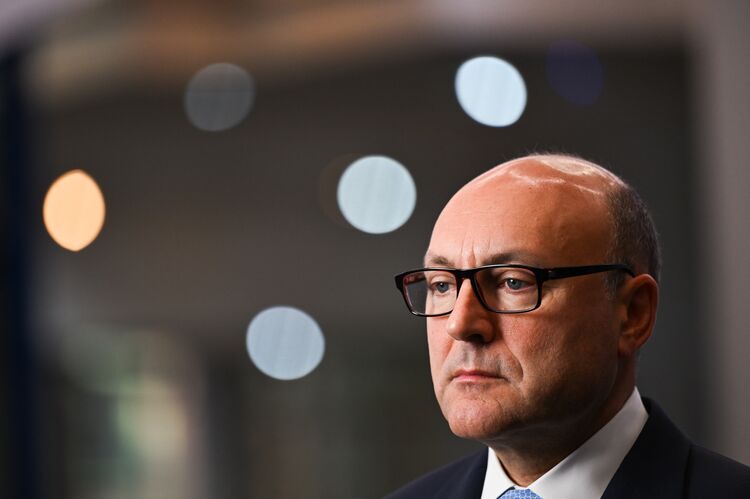
Still, some delegates said they were more interested in an overarching message about cutting spending and deregulation than tax cuts for the wealthy.
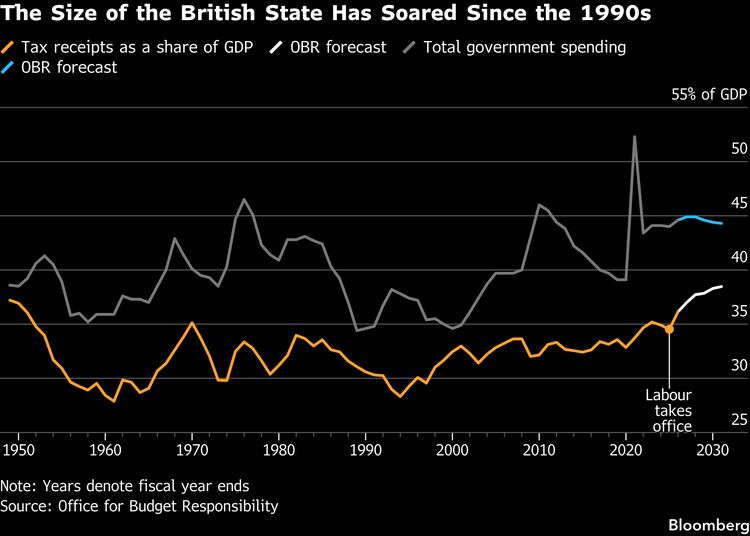
Many employers appear ready to consider alternatives to Labour’s government, which has raised payroll taxes and talked the language of public ownership. That remains the case after Labour’s own conference in Liverpool, where attendees struggled to understand how they fit into Burnham’s vision for the country.
Chris Hayward, Policy Chairman of the City of London Corporation, said Griffith was “right to seek to tackle Britain’s huge debt, low growth and high taxes.” But he also articulated a view held by many in the City, that a bonfire of regulation would be damaging to the UK as an international financial center.
“Unnecessary regulation is a handbrake on the economy, but we must also recognize that people invest in the UK due to our high quality, proportionate regulatory regime,” Hayward told a dinner of financial services executives gathered in Birmingham.
While many admired what they heard in private, delegates who spoke to Bloomberg were less complimentary about Griffith’s stilted keynote speech on Monday, in which one of his main policy offers was an end to a tax on packaging that hurts supermarkets profits. His repeated failure to time applause lines, including awkwardly walking off the stage in silence after the crowd had stopped clapping, underscored concerns of some in the room that the top Tory team was not yet ready for prime time.
The shadow chancellor has decades of experience in the private sector, most notably as chief financial officer of media company Sky. But he was also a member of Truss’ Treasury team and publicly defended the 2022 budget.
That remains a sticking point, according to several people who spoke to Bloomberg and who, like others interviewed for this article, asked for anonymity to discuss their views.
Patrick English, head of elections at the polling firm YouGov, said on the sidelines of the conference that “the Conservative Party brand is still very damaged” among the general public. “They are not yet viewed as ready for government,” English said.
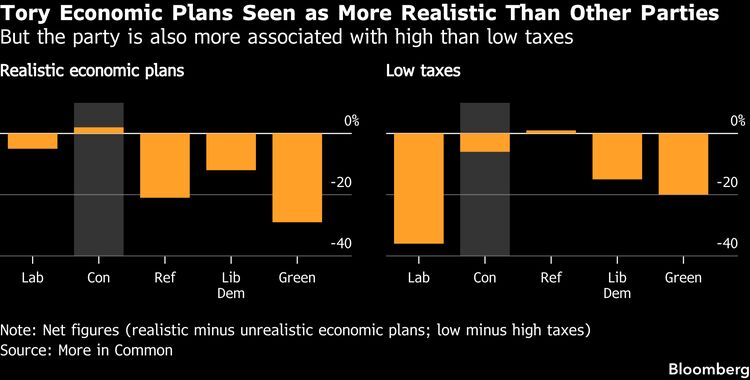
Some 40% of Britons believe the Conservatives were equally responsible for the country’s current economic situation as Labour, according to YouGov polling, even after more than two years out of power. A separate survey by More in Common show that the Tories are still seen as more likely to raise taxes than to cut them.
Badenoch has attempted to regain voters’ confidence with a back-to-basics message that recalls party heydays under leaders like Margaret Thatcher. She’s describing herself as a “classic, old school Conservative” and emphasizing tax cuts and national security, such as promoting a £10 billion “Britannia Shield” air-defense system.
But with Burnham currently scrambling around for money to fund even modest plans to relieve cost-of-living pressures, Badenoch and Griffith risk reviving concerns about the unfunded tax cuts at the center of the Truss fiscal turmoil. The Conservatives say they’ll set out their full savings plan as the conferences draws to a close on Wednesday.
There’s a bright spot for Tories there: They’re currently the only party whose spending plans are seen as more realistic than unrealistic, according to polling by More in Common.
Badenoch has moved the party to the right in an attempt to counter Farage, who has made no secret of his desire for Reform UK to supplant the Tories. She has sought for abandoning the net zero targets introduced by her Conservative predecessors and advocated a more hard-line immigration agenda that could further crimp businesses’ access to foreign labor.
Some attendees at the conference’s so-called business day complained of inconsistencies and a lack of detail in vows to deregulate. A welcome commitment to slash the cost of energy was not well-backed up, and questions about immigration and affordable labor weren’t addressed, one delegate said.
Some also said they wanted more engagement with the Tories on what a future relationship with the European Union could look like, at a time when the Labour Party is embracing closer alignment.
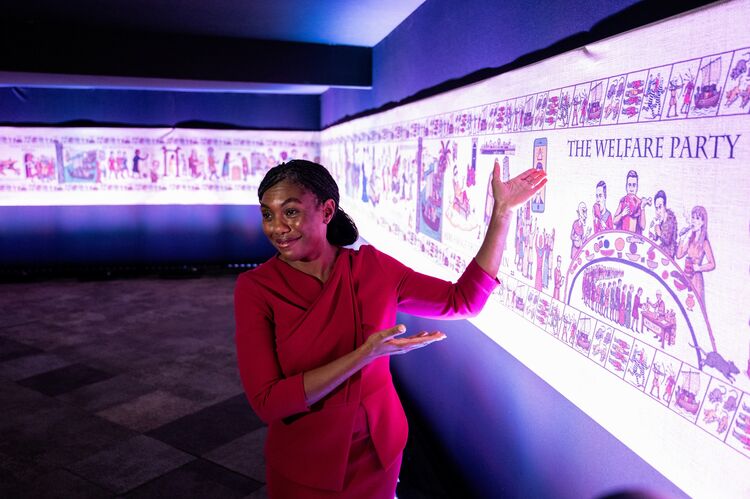
Still, the gathering in Birmingham was a far cry from last year’s edition, when the party that’s been a stalwart promoter of the private sector appeared preoccupied with internal politics. One party grandee told Bloomberg some donors were considering reopening their check books, especially in the light of the record-breaking £72 million that Reform received from two cryptocurrency billionaires last month.
Qualms about Griffith may be moot if he is replaced by shadow energy secretary Claire Coutinho, who’s been tipped to takeover after her maternity leave and gave a wide-ranging video address to the conference before Griffith spoke. But some in Birmingham had concerns about Badenoch herself, who they said had left her economic message ill-defined.
According to her Parliamentary Private Secretary John Glen, that is because, since becoming leader in 2024, she’s been distracted by political drama in the government, like the scandal around the hiring of former US ambassador Peter Mandelson which hastened Keir Starmer’s downfall.
Now, it is about “explaining to the country the economic policy agenda,” Glen said in an interview. Dominic Johnson, previously Co-Chairman of the Conservatives and its investment minister for two years, added that Badenoch’s team would be focused on giving “business confidence we would deliver if we were to be elected.”