
From SpaceX’s IPO to a record acquisition of the Los Angeles Lakers to a FIFA deal that collapsed within days, Josh Kushner has found himself at the center of some of the year’s splashiest deals.
The 41-year-old is now steering Thrive Capital, the venture firm he founded 16 years ago, beyond its roots of backing startups and private growth companies to become an investor in public markets and a long-term owner of high-profile trophy assets.
The moves will make it harder for Kushner to maintain his long cultivated, under-the-radar profile. Already, he's amassed a fortune the Bloomberg Billionaires Index puts at about $17.5 billion, ranking him among the world’s 500 richest people for the first time.
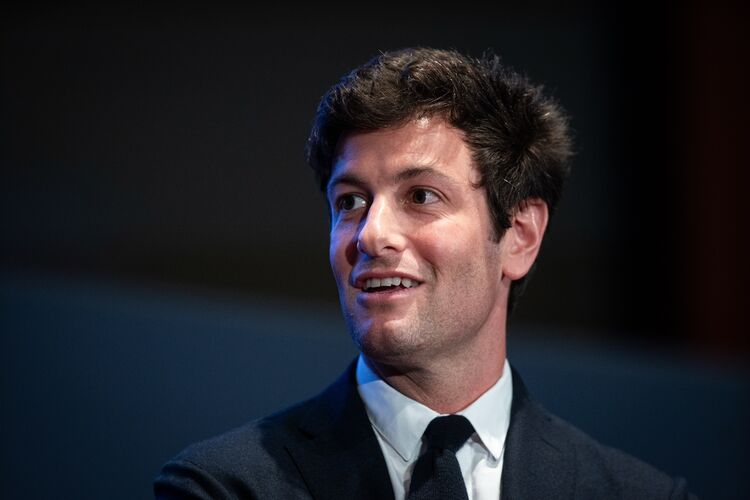
In recent months, Thrive has invested in companies including Amazon.com Inc. and Shopify Inc. Its new Thrive Holdings strategy has raised more than $2 billion to buy and operate unsexy businesses like accounting firms and information technology servicers that it hopes to transform with AI. Another strategy, Thrive Eternal , is targeting assets it expects will be AI-proof and is helping finance the Lakers purchase at a $12.5 billion price.
“We have never believed that the traditional boundaries of our industry need to define us,” Kushner wrote to his investors in August.
A spokesperson for Kushner declined to comment on Bloomberg’s valuation of his net worth.
Venture Wins
Among Thrive’s largest private company investments is OpenAI, the Sam Altman-led ChatGPT maker that has lifted the entire industry of artificial intelligence. Thrive first backed the company in 2023 and has invested across several funds since. An IPO, expected as soon as next year, could deliver a massive windfall for its backers. Thrive is also an investor in other potential IPO candidates, including fintech Stripe and defense company Anduril.
One catalyst for Thrive’s expansion this year was SpaceX’s $1.77 trillion IPO in June. Thrive first invested in Elon Musk’s space company at a $38 billion valuation. It also backed AI coding company Cursor at a $9.9 billion valuation, 14 months before SpaceX bought it for $60 billion. The firm first invested in Cursor at a $400 million valuation.
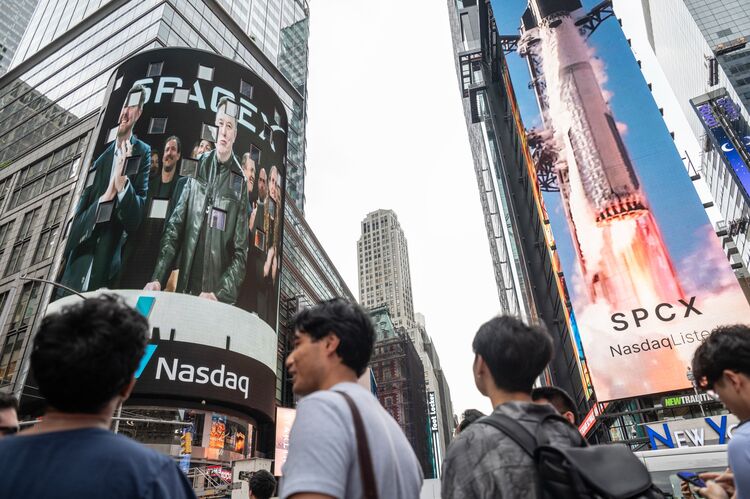
Those payoffs have allowed Thrive to expand into three distinct strategies. In August, Thrive Holdings raised money from investors including SoftBank Group Corp., Altimeter Capital Management and D1 Capital, valuing it at $12 billion. It has acquired more than 70 businesses and has a dedicated team of 35, according to Kushner’s investor letter.
Thrive Eternal, meanwhile, is focusing on “assets rooted in identity, culture, community, history, and physical experience,” that it believes are poised to become more valuable in the AI era.
Thrive Eternal moved quietly into sports in April, taking a minority stake in the San Francisco Giants baseball team. Two months later, Kushner and Iger were exploring bidding for an NBA expansion franchise in Las Vegas. But after Lakers owner Mark Walter became embroiled in a federal investigation into his companies, they pivoted to that storied franchise and struck a deal in just a day.
Read More: Iger and Kushner Landed Lakers Deal in a Day, No Bankers Needed
Iger, 75, who is set to step down from Disney’s board by year-end, said in an earlier interview with Bloomberg News that he rejoined Kushner as an adviser after being pitched on Thrive Eternal.
“What I thought was going to be a slower onboarding process is suddenly accelerated significantly,” Iger said.
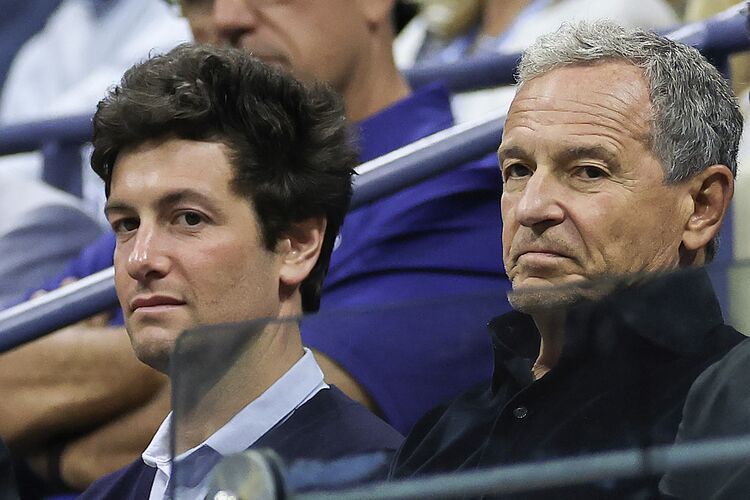
Despite the flashy sports moves, the bulk of Kushner’s net worth is tied to Thrive, which now manages more than $65 billion, up from about $15 billion three years ago. At the time, a group including Mukesh Ambani, Jorge Lemann and Henry Kravis invested at a $5.3 billion valuation.
That valuation — at about one-third of assets under management — raised eyebrows. But Thrive’s rapid growth and string of successful investments appear to have justified the number. More than half of its assets under management now come from investment gains, Kushner’s investor letter said. Bloomberg calculates Thrive has generated more than $6 billion in carried interest since its founding, with most of that coming in the past three years.
While much of that remains unrealized, Thrive generated “more than $1 billion of liquidity” over the past 12 months and sees the potential for billions more in coming quarters, according to Kushner’s 2026 letter.
Thrive is now seeking a “similarly sized” minority investment from its original shareholder group and some new partners, Thrive said. Based on its asset growth since the last fundraising round, Bloomberg calculates that the company is now worth about $23 billion.
‘Few Bruises’
To be sure, not everything has gone Kushner’s way this year.
In late July, football’s governing body, FIFA, was looking to raise as much as $4.2 billion for a commercial arm, opening itself to outside investment for the first time. Thrive Eternal was expected to lead the investor group.
Read More: Secret Talks With Kushner Last Year Led to FIFA’s Sale Plans
But the plan received a hostile reception from several regional football groups and collapsed just days after it was announced. UEFA, European football’s governing body, asked a federal judge to authorize subpoenas seeking documents and testimony from Kushner and Thrive as it explores potential legal action over FIFA’s handling of the transaction.
“Everyone associated with that one has got a few bruises,” said Marc Ganis, a sports consultant.
Last month Kushner said that Thrive “failed to appreciate the political dynamics of global football.” UEFA hasn’t accused Thrive or Kushner of wrongdoing.
The Lakers deal has also faced pushback from fans because Kushner, born and raised in New Jersey, built Thrive largely from New York with limited ties to Los Angeles. That gap has been partly filled by Iger’s deep relationships across the city and the NBA.
Then there’s the money. At $12.5 billion, the deal values the Lakers 25% above what Walter paid less than a year earlier — itself a record that eclipsed the $6.1 billion sale of the Boston Celtics. Kushner is investing along with Thrive Eternal to help finance the purchase.
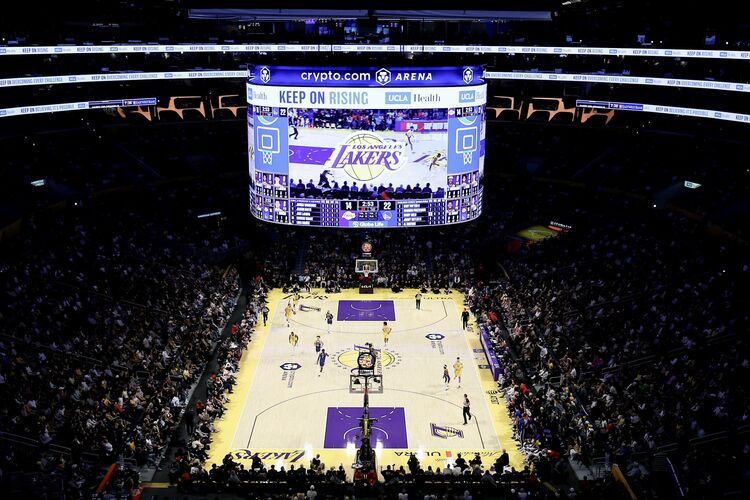
That was possible only after the NBA last month amended its private equity policy to allow institutional investment firms to invest alongside their managers. Such arrangements were prohibited in the past to avoid the appearance of a conflict of interest.
Read More: NBA Paves Way for Lakers Deal With Private Equity Policy Change
“This was a deal that was important to the NBA,” Ganis said.
The policy change was part of an ongoing review of NBA rules, but was accelerated by the Lakers transaction, according to a person with knowledge of the matter who requested anonymity.
In projections circulated to potential investors, Thrive expects to increase the team’s earnings to about $600 million over the next decade from $129 million last season. Options include selling more single game and fewer season tickets, pursuing more sponsorships and building a new arena.
Thrive and Kushner have long tried “not to take the spotlight away from the founders that we partner with,” according to a spokesperson. Kushner has largely succeeded at that despite the prominence of his older brother Jared, who is married to Ivanka Trump and served in both of President Donald Trump’s administrations.
A leading role at one of the world’s most famous sports franchises will make that spotlight harder to avoid.