By Zahra Hirji | Updated on Oct 07, 2026 at 09:34 PM
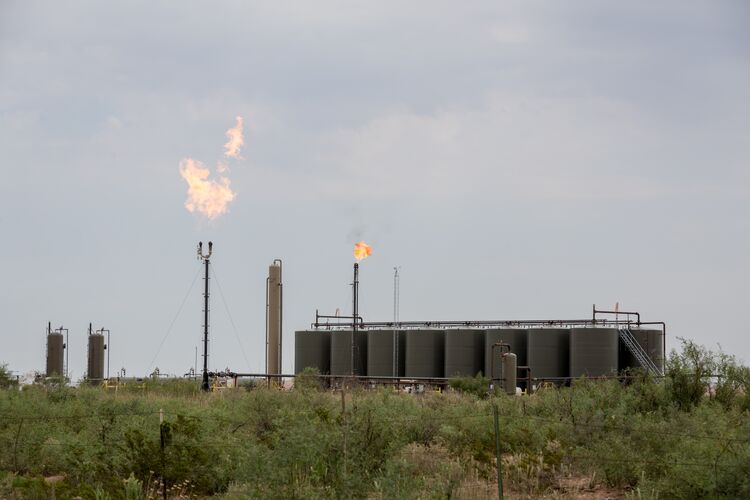
The US Environmental Protection Agency said Wednesday it is readying a proposal to loosen federal rules designed to cut methane releases from oil and gas operations.
EPA Administrator Lee Zeldin previewed the upcoming rule proposal in a speech at the New Mexico Oil and Gas Association annual meeting in Santa Fe. The Trump EPA “is days” away from announcing the new rules, Zeldin said in a statement released by the agency.
“This proposal takes on many of the problems American producers and operators have raised with us,” he added.
The agency said it will include changing Biden-era requirements for the lowest-producing wells, known as marginal wells, and rescinding the Methane Super Emitter Program designed to help spot the biggest methane releases.
Methane is a far more potent greenhouse gas than carbon dioxide in the short term, with a roughly 80 times higher warming potential in the initial 20 years after release into the air.
The oil and gas sector represents the nation’s largest industrial source of methane pollution. Methane is a key component of natural gas, and thus a valuable source of energy. Still, operators vent or flare the gas during operations, and it can leak from wells, pipelines and processing equipment.
The Biden administration finalized sweeping rules in 2024 to curb methane releases from oil and gas sites, which called for phasing out some routine flaring and tightening requirements around emissions monitoring and fixing leaks. It also launched the so-called Methane Super Emitter Program, which was designed to enable approved third-party groups to help find and report the biggest releases of emissions.
The second Trump administration has taken multiple steps to delay the enforcement of those rules. With the new proposal, the EPA appears to be going further than postponing compliance, including by eliminating the Super Emitter Program. The agency said it does not think it is “necessary to meet Clean Air Act requirements and is not effective.”
The EPA is also now proposing a different regulatory approach to marginal wells, which generate less than 15 barrels of oil or less than 90,000 cubic feet of gas per day. While the Biden-era rules imposed the same methane controls for high- and low-producing wells, the EPA said it plans to “create separate categories of well sites, each with its own standards that make sense for the circumstances of the particular type of well.” The EPA did not provide further details.
Last week, the National Stripper Well Association, an industry trade group, called on the EPA to “exempt” marginal wells from the 2024 rules.
The EPA said it is further proposing “to revisit the overall approach to regulating associated gas from oil wells,” to update emissions standards for covers and closed vent systems, as well as to make “technical changes to give flexibility for flame monitoring data deviations, control device alerts and visible emissions test conditions where appropriate.”
Environmental groups criticized the move. “Rolling back these safeguards would mean more wasted energy, more methane pollution and greater health risks for communities living near oil and gas operations,” said Jon Goldstein, Environmental Defense Fund’s associate vice president of energy transition, in an emailed statement.
The EPA’s forthcoming proposal would follow its previous moves to unwind federal climate rules. Last month, officials finalized rescinding 2024 carbon pollution rules for power plants.