By Andrea Felsted | Updated on Oct 08, 2026 at 05:00 AM
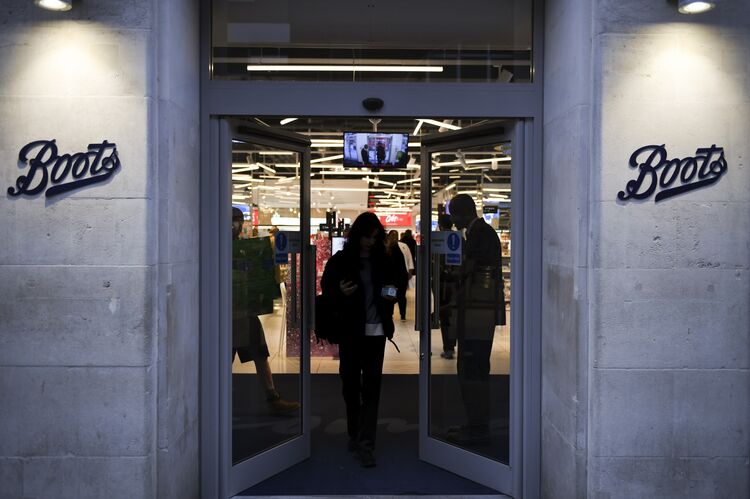
Stefano Pessina, the Italian entrepreneur behind British drugstore chain Boots, is the consummate dealmaker. He hasn’t lost his touch.
Pessina, who created Alliance Boots and then Walgreens Boots Alliance Inc. from a series of transactions, has sold the British pharmacy and cosmetics chain to the Canadian branch of the billionaire Weston family.
Pessina and private equity firm Sycamore Partners won’t get the $10 billion they had hoped to wring from Boots. That always looked too rich. But at $8.9 billion, including debt, the price they fetched isn’t too far off.
Even at a reduced valuation, the deal is a better outcome for Pessina and Sycamore than taking a chance on an initial public offering of Boots. The consortium partners, which acquired Walgreens Boots Alliance Inc. for an enterprise value of up to $24 billion, have already recouped a good chunk of their outlay. They will also retain Boots’ Mexican and German businesses. And of course they still own Walgreens in the US.
Assuming Boots generates about £550 million ($727 million) of operating profit, the acquisition multiple equates to about 12 times profit, in line with Tesco Plc, Britain’s biggest supermarket and a decent valuation benchmark. Selling beauty and personal care items generates higher margins than groceries, so Pessina and Sycamore might have hoped for a slightly more generous multiple.
But there are good reasons for the Weston family’s Wittington Investments, and its partner Fairfax Financial Holdings, to have resisted paying an even higher price.
Boots has some snazzy stores, such as its beauty-only shop at London’s Battersea Power Station development. But it also has a long tail of down-at-the-heel stores. The retailer has begun to spruce up some of these smaller outlets, but many of its 1,800 shops on high streets and in malls across the UK are in need of updating.
Wittington said it would continue the makeover and improve Boots’ online operations. Healthcare is another opportunity it is pursuing. This makes sense, as Boots remains a trusted name despite frequent changes in ownership. As the UK government seeks to cut costs, pharmacies could play a bigger role in diagnosing and prescribing. The growing popularity of weight-loss drugs could make Boots’ infrastructure even more productive.
But the chain also faces a raft of competitors, from supermarkets to discounters such as AS Watson Group’s Savers and more upmarket beauty stores. And there is another muscular beauty rival on the horizon in the form of Marks & Spencer Group Plc, which will open Sephora concessions in 100 of its stores. Meanwhile, UK consumers are grappling with another affordability crisis that could squeeze spending.
Wittington appears to be aware of what it has taken on. Chairman Galen Weston said the consortium was eyeing long-term ownership, with intentions to invest in the chain and run it better. The Weston family operates similar businesses in Canada, including Shoppers Drug Mart, the country’s largest pharmacy, health and beauty business. And Alex Baldock, who joined Boots earlier this year after steering UK electronics chain Currys Plc through some tricky market conditions, is an accomplished retailer and will remain as chief executive officer.
Still, the Westons have their work cut out, and Pessina is sitting pretty after the sale. Beauty may be in the eye of the beholder, but Wittington has far more primping and polishing to do to make a decent return on its Boots bet.
More from Bloomberg Opinion:
Want more Bloomberg Opinion? OPIN <GO>. Or subscribe to our daily newsletter .