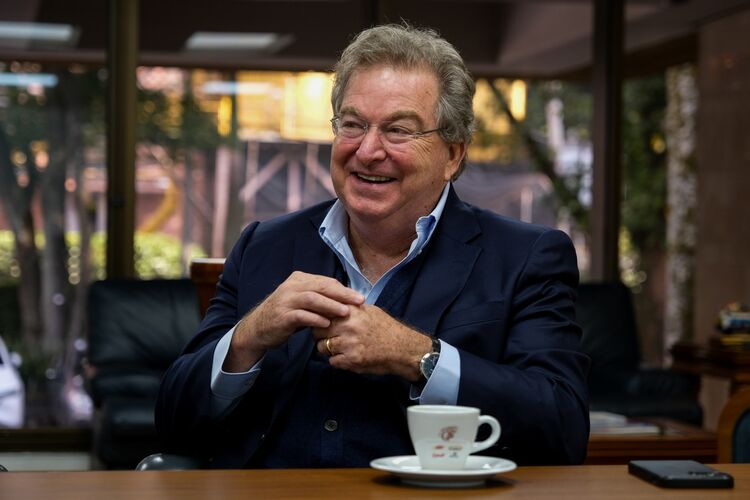
Colombia’s richest man Jaime Gilinski is poised to turn a Venezuelan oil field contract that cost him almost nothing into a $500 million stake in a Latin American crude producer that he’s now on the cusp of controlling.
How Gilinski obtained the rights to the Bare field, then agreed to flip it for majority control in GeoPark Ltd., is one of the boldest examples yet of the race to riches underway in Venezuela. Following years of mismanagement and crippling sanctions, Venezuela has emerged as the epicenter of the Trump administration’s reassertion of US hemispheric dominance while attracting droves of well-connected investors betting on the country’s vaunted oil-fueled comeback.
Few have moved as quickly as Gilinski, whose deal illustrates how Venezuela’s opaque system for allocating resources in the post-Maduro era can transform a state contract into a coveted private asset, without any upfront investment.
The details of Gilinski’s deal were pieced together through regulatory filings and from people familiar with the deal and experts who requested anonymity discussing sensitive commercial matters. Other oil deals in Venezuela are less transparent, partly because they do not involve publicly traded companies like GeoPark.
Gilinski declined to comment for this story. The executive, worth $40 billion according to the Bloomberg Billionaires Index , initially made a fortune in banking. He recently multiplied it through a hostile takeover of Latin America’s largest packaged-foods maker — Nutresa SA — which he plans to use to bring coffee, cookies and other goods into Venezuela.
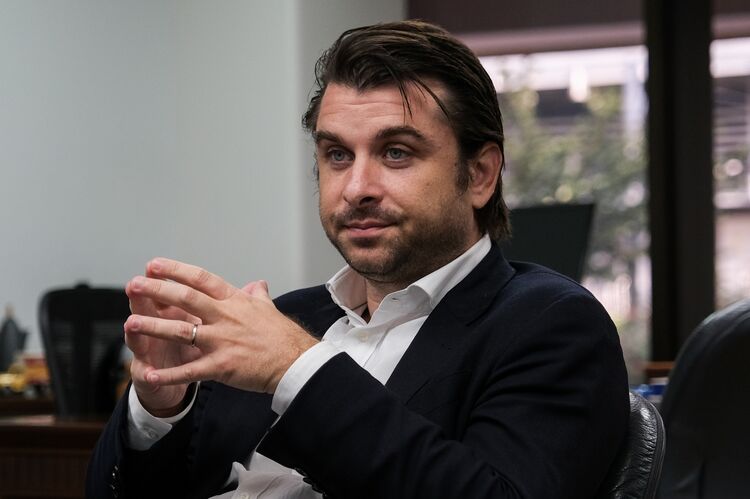
After US forces toppled strongman Nicolás Maduro in January and the Trump administration loosened the sanctions vise, Gilinski’s son Gabriel met with US-supported Acting President Delcy Rodríguez in March and traveled to Caracas over 10 times in the ensuing months. The Gilinskis weighed deals for several potential oil fields, some of which fell through or were snapped up by others.
Gilinski is hardly the only one rushing in. California-based Pacific Coast Energy Co. has begun operating two heavy oil blocks, while industry newcomers like Coinbase co-founder Fred Ehrsam — who donated $1 million to Donald Trump’s 2025 inaugural committee — have inked their own Venezuela deals. Figures with a Maduro-era foothold, led by Venezuelan entrepreneur Alejandro Betancourt, are consolidating their edge , while more established companies are positioning for reentry, joining Chevron Corp. and Repsol SA that never left.
ExxonMobil Holdings Corp., which called Venezuela “uninvestable” in January, as well as TotalEnergies had a presence at a bustling oil and gas conference in Caracas last week. The business frenzy set off a scramble for golf clubs .
Bare Minimum
After months of courting officials in Caracas and Washington, Gilinski last month signed a 25-year contract with the Venezuelan government to operate the Bare heavy oil field in the Orinoco belt. The site abuts one of Chevron’s prolific oil blocks, offering potential to piggyback on the major’s operations. Hours later, Gilinski agreed to transfer the Bare contract to GeoPark in exchange for new shares initially worth $515 million, putting him on track to become the company’s new majority shareholder.
Under this framework, GeoPark will fund any new investments in Bare and keep a net working interest of 65% in the field. The rest remains with state-owned Petroleos de Venezuela SA, known as PDVSA. The deal makes GeoPark one of Venezuela’s early movers with a project marked by production targets and investment plans.
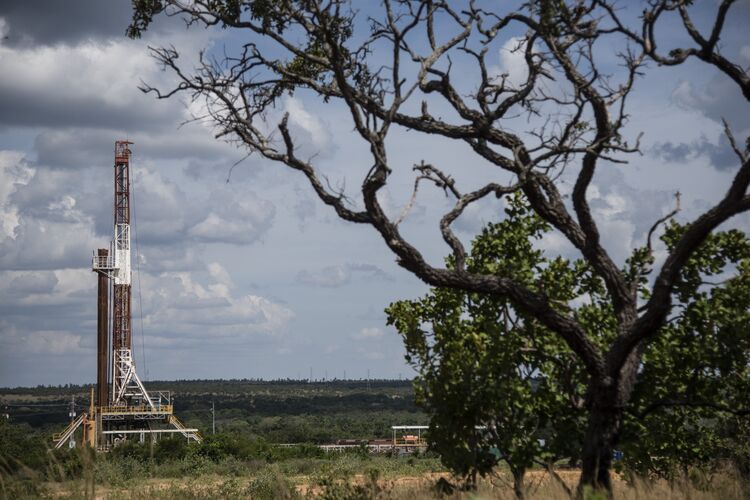
GeoPark aims to ramp up Bare’s daily production to 95,000 barrels, from a current 11,000 barrels. In an interview in Caracas last week, GeoPark Chief Executive Officer Felipe Bayón said the company was in talks with PDVSA to access a critical blendstock to transport the tar-like crude.
Read More: GeoPark in Talks With Venezuela Over Thinner to Ship Heavy Oil
The company has up to 120 days to meet contract conditions for the agreement to take effect, a period that ends in December. If the Bare contract expires before that happens, the GeoPark transaction will be terminated.
Shares in GeoPark have soared since Gilinski’s entry. If the Venezuela contract moves ahead, Gilinski is expected to give existing shareholders the chance to tender as much as $100 million of their shares at a price above the company’s closing price of $11.45 a share on Thursday.
Cookies to Oil
Shortly after Maduro’s ouster, Gilinski became determined to try his hand at Venezuelan oil, quickly obtaining a requisite sanctions exemption from the US Treasury Department’s Office of Foreign Assets Control to clear the way for striking a deal. His son Gabriel went to Washington to ask officials for the license.
With an OFAC license in hand, Gilinski also needed an oil company to enter Venezuela. GeoPark, which has a robust presence in Colombia, had needs of its own. At the time, GeoPark was fending off a hostile takeover attempt that Gilinski effectively blocked by buying a 20% stake in the company in March.
| Read More: |
|---|
| Colombia’s Richest Man Takes Over Oil Producer in Venezuela Rush |
| Colombia’s Richest Man Eyes Venezuela to Multiply His Fortune |
| A Wall Street Upstart Bets on Trump’s Venezuelan Mining Push |
Instead of using GeoPark to negotiate a Venezuelan oil deal, however, Gilinski struck the deal with PDVSA mostly on his own. The idea was to obtain the rights to at least one Venezuelan field and monetize it by offering it to GeoPark.
GeoPark said it participated in negotiations with PDVSA before the oil field deal was signed, owning a 5% stake in Bare from the start. Now it is set to buy Gilinski’s remaining 95%, offering him a value for the field that is about 5% below the valuation determined by its advisers.
On Sept. 4, Gilinski stunned his new peers in the oil industry by appearing alongside Rodríguez in a televised address from Caracas announcing the deal.
“Madame president, thank you for your trust,” he said. “Thank you for opening this door to the Gilinski Group, to GeoPark. From Gabriel and me, many thanks.”