If you want to start a conversation during a boring dinner party, ask this: Have you ever stolen something from a restaurant? Everyone has thoughts. Lots of people have confessions.
Here, I’ll start.
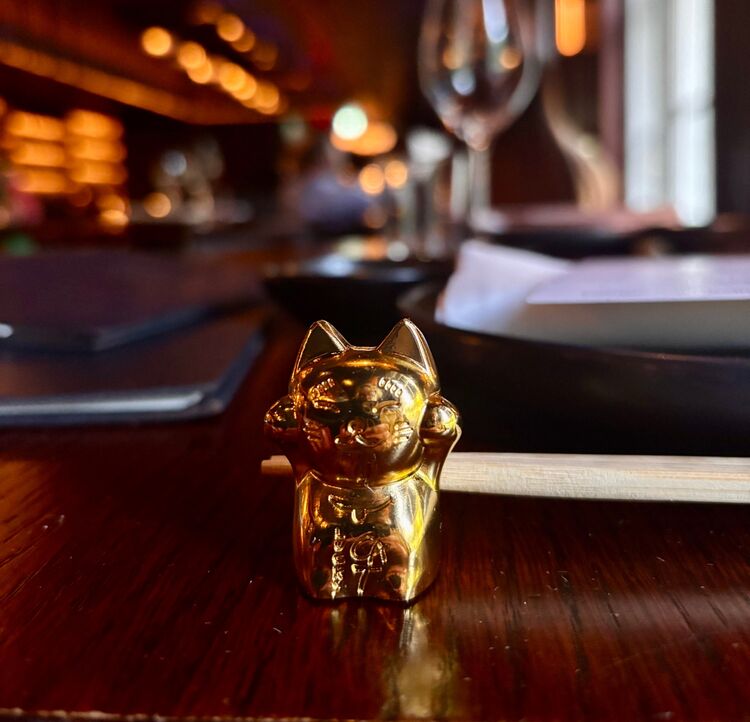
My living room bookshelf is adorned with two golden Lucky Cat chopstick holders from the Gordon Ramsay Mayfair restaurant named for them. They went home in my bag after a night of dumplings and noodles at a large, fun table. I took the first spontaneously as a souvenir of a fun night with friends. It felt like a victimless crime: There were seven other cats on the table, and we were paying £20 (over $26) for egg fried rice. When the server left a second figurine right in front of me and walked away, I swept it into my bag, almost without thinking.
I’m not the only one who thought those trinkets would look cute at home. Soon after Ramsay launched a second London Lucky Cat outpost in Bishopsgate in February 2025, the celebrity chef reported that 477 had been taken in one week, each costing £4.50, for a total hit of almost £2,150.
Along with the Ramsay cats, my restaurant tchotchke collection includes more than half a dozen pilfered spoons, a painted ceramic pitcher that once held red wine at a rustic Italian place, two or three logoed ashtrays, and at least one small oblong bowl that a restaurant used to serve olives. These things were mostly taken as mementos; I was convinced I couldn’t find them elsewhere. But sometimes the theft was more pointed: One of my favorite items, a formidable bronze-colored spoon, was purloined in a fit of childish rebellion from a pricey Michelin-starred French restaurant in a London hotel, where the oversauced, uninspired £150 tasting menu bored me for hours.
Restaurants are one of the world’s great immediate escapes — places where we can be cared for and fed for a couple of hours. Perhaps that kind of hospitality lends itself to petty theft. A recent New York Times article noted that a certain amount of customer theft has been accepted as a cost of doing business in the industry, but that diners are getting bolder about what they take. Why am I — and so many other typically law-abiding citizens — emboldened to steal from these establishments?
The Thrill
The things that get taken from restaurants run the gamut from pricey artwork to 6-foot-tall trees , cheap butter knives and toilet paper . Chefs at Quality Bistro in New York told me that customers have gone as far as unscrewing lighting sconces from the bathroom wall. Laurent Tourondel, founder of the LT Hospitality empire, said someone walked out of his Manhattan restaurant L’Amico with a custom-framed vintage bathing suit.
Spoons bring out the criminal in everyone, declared a server at Maligne in Seaside, in California’s Central Coast. That was after he confided to me that one shaped like an abalone kept disappearing when it was served with their caviar martini.
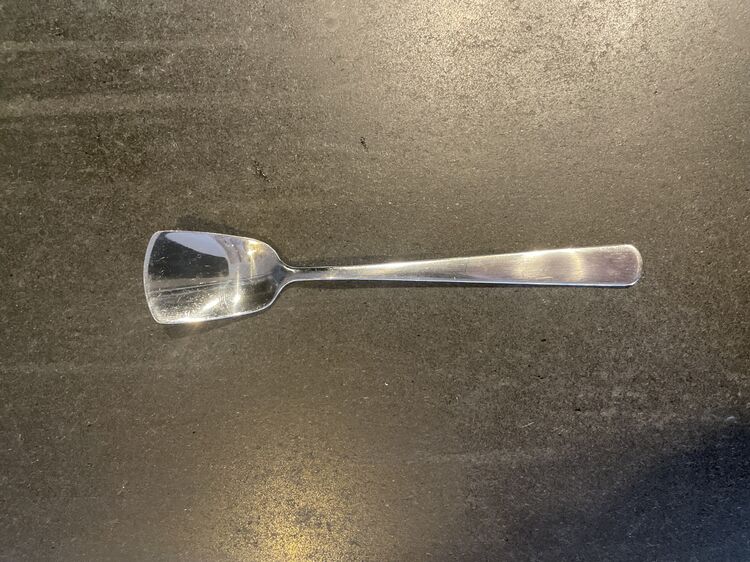
“You don’t plan ahead to take it,” says Rebecca Masson, owner of Fluff Bake Bar in Houston. “But if you see a good spoon on a place setting, you know pretty quickly that it will be leaving the table with you.” Masson admits to having about a dozen that she’s collected from restaurants in New York and Paris — the deep-bowled ones are especially good for shaping quenelles as a pastry chef, she adds.
Among the reasons people take things, according to Joe Haynes, who co-owns the stylish Cloth restaurants in London: the effect of a few drinks on your judgment, an unconscious sense of entitlement and the thrill of doing something illicit in a public space. In the first few weeks of opening the first Cloth location in Smithfield, Haynes says they lost around 20 check holders fashioned from old cigarette cases that cost about £25 each. They now use cheaper ones that cost £4.
Part of the psychology is the perception that restaurant theft is victimless, says Alli Young, a Florida-based psychiatrist specializing in lifestyle counseling. “There is a lot of psychological research that says if you can’t see the face of the person you’re harming, i.e., the owner, it’s not a crime.” She adds, “You think, ‘No one cares, my server won’t get hurt by it.’”
Many diners who own up to stealing say they do it primarily for the souvenir value. Jennifer Taylor, who lives in Connecticut and works in sales, has a collection of branded wine glasses from Charlie’s L’Etoile Verte in Hilton Head, South Carolina. “It started when I put a glass in my daughter’s diaper bag; she’s now 23,” says Taylor, who has been going to Hilton Head since she was a child herself; the mementos remind her of enjoyable family vacations. “If they’d been super nice [glasses], I might not have started taking them,” she adds, “but it’s something that goes through the dishwasher so I have less qualms.” Eventually, she says, her parents started paying for the glasses.
New York City-based psychotherapist Tara Rosegarten told me about a patient whose salt-and-pepper shaker collection was made up of items taken from restaurants. “You’re paying a lot for this experience, and then decide you should have something,” she says. It goes with the assumption that restaurants have excess, she adds, and they won’t miss another pair of salt-and-pepper shakers.
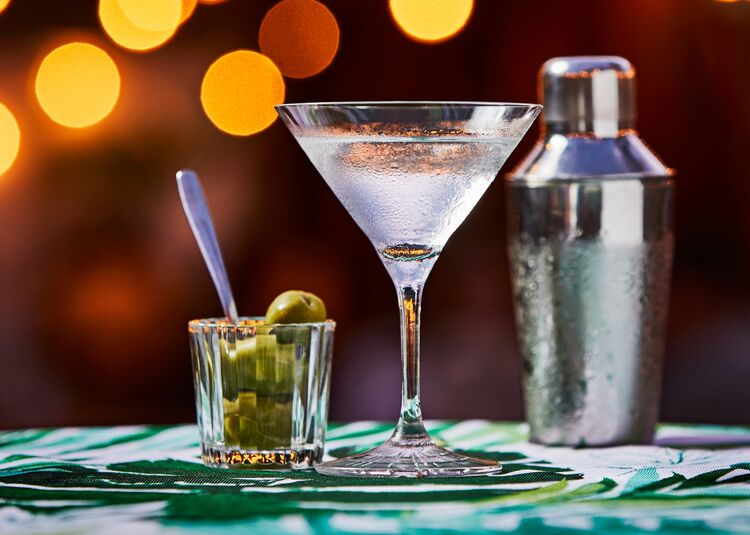
Elijah Harlow, a New York-based brand strategist, is more contemplative about the tableware he stole from his favorite restaurant, Sunny’s , in Miami. A couple of years ago he helped a friend abscond with two of their martini glasses, which he describes as “delicate, dainty and chic; the best I’ve ever seen.” He still feels remorseful. “I don’t think it’s an innocent act, it’s an entirely entitled perspective: that if you like something you can take it home. That’s not how the world works.” When his friend asked to go back to “replace” a broken glass, he said no. “It’s not a store,” Harlow told her. (“People steal anything that is not nailed down, and even that is not a guarantee,” says Sunny’s owner Will Thompson. “We don’t necessarily budget for theft beyond what we allow for breakage, but the cost is substantial.”)
The rising cost of dining out may also be increasing diners’ sense of entitlement. In the US, menu prices were 3.4% higher this past August than they were the previous year. In the UK, it’s even more pronounced: There’s been around a 4.9% increase in menu prices over the same period , according to the Office of National Statistics. That coincides with a general escalation in petty theft more broadly since the pandemic in both the US and the UK , attributed to everything from the cost of living to the ease of online resale. “Eating has gotten a lot more expensive,” says Young, the psychiatrist. “You start to think, ‘It’s OK if I take this coffee cup, this napkin.’”
“Restaurants can create a kind of psychological bubble in which our normal rules become slightly relaxed. Alcohol can reduce inhibition, friends may encourage the behavior,” says Jane Halsall, an addiction psychologist with offices in London and Dubai. “The important distinction is between occasional opportunistic behavior and somebody experiencing a persistent, difficult-to-control urge to steal. The latter raises quite different psychological questions and, in rare cases, could relate to an impulse-control disorder such as kleptomania.”
The Tab
Restaurateurs have different approaches when it comes to petty theft, but most agree that little heists add up — especially for small, independent places.
Claire Ptak opened a permanent location of Violet Cakes bakery in London in 2010 for a total of about £10,000 (around $15,500 at the time) and outfitted the place with vintage tableware. Among the things that were soon taken: a large, heavy vintage mirror from the bathroom — “a bold move because you used to have to walk through the kitchen to get out,” she says — and a £60 David Mellor sugar dish. Magazines, some costing as much as £15, were also taken.
“You always know when something’s been taken, and we felt it,” says Ptak. “It’s such a shame because you want to do something nicely and then you feel as if you’ve been punished.”
Ptak herself admitted to pinching an ashtray from Claridge’s, however: “The ashtray was so chic, it was a night of smoking and drinking, and I wanted to have it. I felt immediately guilty.” When she remodeled her bakery in 2020, she “went to items that were less interesting, less desirable to steal.”
If the rising cost of dining out encourages some diners to pilfer, the financial pressure on restaurants may work in the opposite direction. Venues are increasingly squeezed by the rising cost of ingredients and labor . In the UK, the top 100 restaurant groups have experienced a 44% decrease in profits in 2026 compared with 2025, according to accounting firm UHY Hacker Young.
“The impact goes beyond the cost of the individual items. More than the money, it’s the inconvenience and the effect on logistics and the purchasing process,” says Tourondel, whose New York properties include Skirt Steak as well as L’Amico. “We generally go into the year accounting for roughly $300-$500 per month in stolen goods, or around $3,000-$4,000 annually.”
L’Amico has moved away from certain custom-branded china and plateware because it was too expensive and time-consuming to replace. People still routinely swipe the leather-bound menu covers, which cost about $45 each, along with steak knives and even wine lists. Tourondel, who also has restaurants in Miami and Philadelphia, says the place where he sees the most pilfering is “definitely NYC.”
Some places will take legal action. “Probably once a month I’m called about a restaurant theft,” says Stephen Sitkoff, founder of the LA-based Sitkoff Law Group. He’s been contacted about everything from pilfered martini glasses to mushrooms taken from a display — “the thief thought they were drug-infused,” he says.
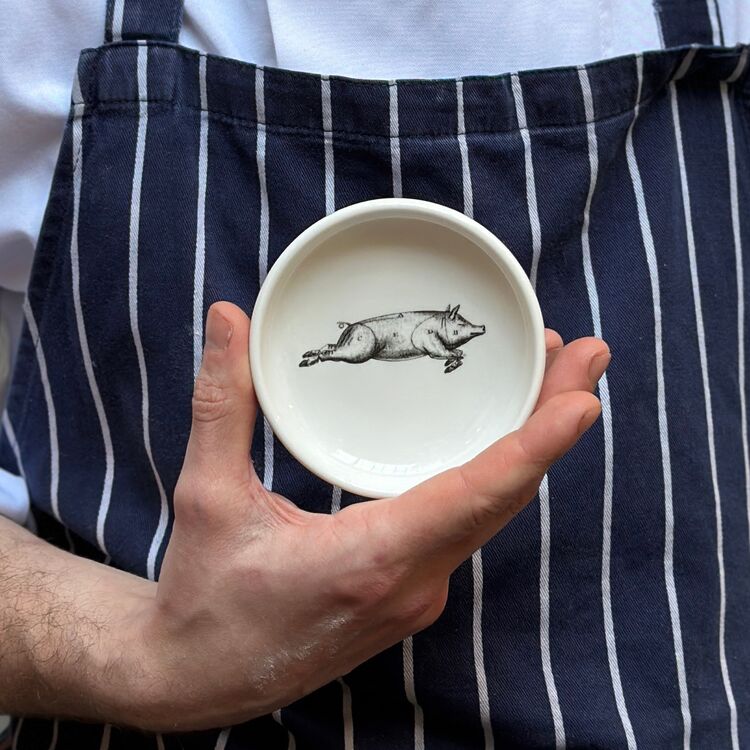
Other restaurants have turned theft into merchandising opportunities. Trevor Gulliver, who co-founded the foundational London restaurant St John in 1994, says its signature white ceramic ashtrays emblazoned with a pig mascot have been taken since almost Day 1. “Over the years since we first opened, it was not thousands but became tens of thousands, and there was no shame,” he says. “It was quite normal to be a long way from home and come across the soap dish in the loo, the key dish by the phone.”
Gulliver doesn’t have an estimate on what all that cost: “It must have been accounted for somewhere in the accounting.” But St John stopped putting the ashtrays on tables in 2022. Now they’re for sale on the restaurant’s website for £17.50, and Gulliver says more than 50,000 have been sold.
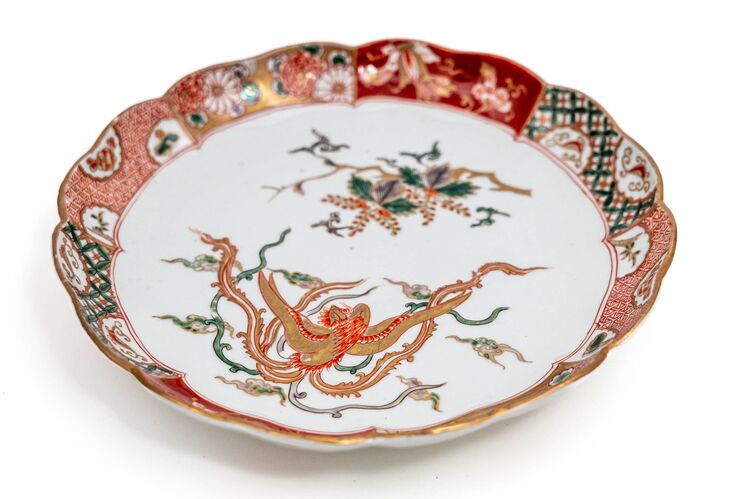
“When we first opened [in 2018], we noticed a few of our beautiful silver napkin rings vanishing,” says Hiroki Odo of the two-Michelin-star kaiseki restaurant Odo in New York, where the tableware is imported from Japan. The team opened the Odo at Home shop in late 2025 to give “guests a way to bring that artistry into their own dining rooms, without having to sneak it out in their pockets,” the chef says. The silver napkin rings they sell now are priced in the range of a little over $300 to a little under $600. The versions used in the restaurant are less expensive.
The Reckoning
Reporting on these numbers has sobered me up on the idea of stealing even a tiny teaspoon. If the cumulative thefts mean that owners stop furnishing restaurants with quality tableware and delightful tchotchkes, that’s a sad outcome for everyone. These products go a long way toward making dining rooms the memorable escapes we want them to be. Little pilfered prizes may light up our shelves, tables and bathrooms at home, but they can end up leaving the restaurants we love looking monotonous.
Maybe those feline figurines will be my last restaurant heist. As it happens, I was busted for theft at Lucky Cat that night. Before we left, our server approached me and asked for her pen back. I’d asked to borrow it earlier to jot something down and then, knowingly, put it in my purse alongside the cats. Without making eye contact, I handed the pen back, even as the Lucky Cat figurines remained in my bag.