Hong Kong’s de facto central bank questioned HSBC on why its new AI hub would be established in Singapore and not in the Chinese territory, in a sign of the intensifying competition between the two Asian financial centres.
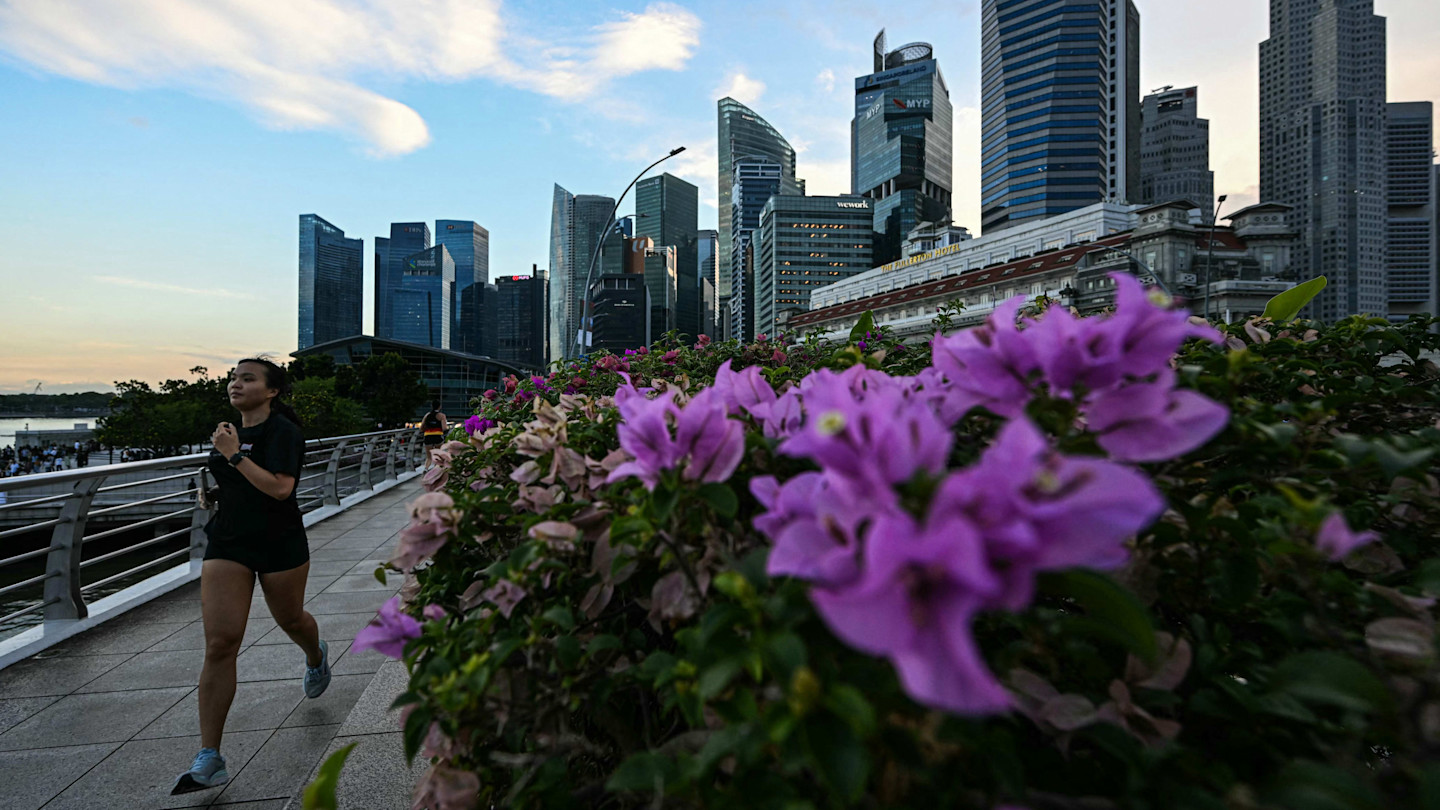
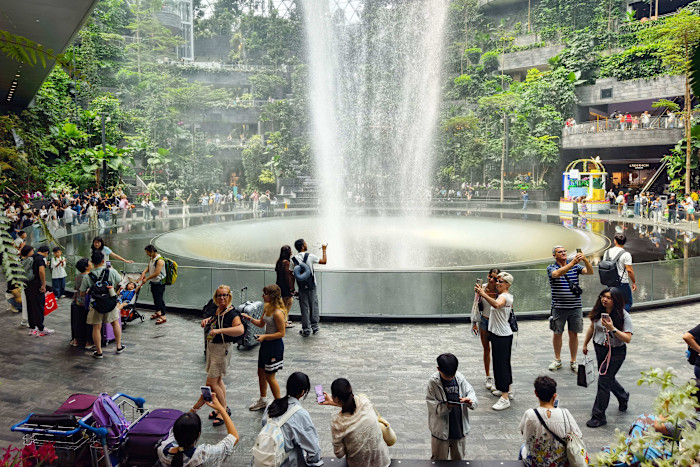
The Hong Kong Monetary Authority asked Europe’s largest lender in recent months about its decision to set up a “global AI centre of excellence” in Singapore, according to two people familiar with the exchange.
The centre, announced in July, will recruit “more than 100 AI specialists” to bolster the bank’s wealth management and payments technology.
Under chief executive Georges Elhedery, HSBC has embarked on a radical reform programme, pulling out of a series of countries and businesses around the world to focus on its core markets — particularly its home market of Hong Kong.
“Hong Kong is very sensitive to resourcing externally, especially if it’s seen as moving,” said one of the people, who added that local authorities would be concerned about “no longer [being] the centre or the hub for the region”.
The investment comes after Elhedery’s first major investment as chief executive: a $14bn deal to fully absorb Hong Kong’s Hang Seng, making the UK-based bank by far the most important lender in the Chinese territory.
HSBC also this summer announced the $2.1bn sale of its Singaporean insurance business to Allianz. The AI announcement was in part a way to reassure Singapore of its continuing commitment to the city-state following the sale, according to one source.
HSBC already has teams of so-called AI specialists working in the UK and Hong Kong and is building an AI research institute in the Chinese territory.
The pressure from the HKMA comes more broadly as the regulator looks to entrench the territory’s status as an international financial capital, seizing the moment as HSBC and others double down on the region’s growth.
The authority has spoken with HSBC and Standard Chartered about locating more executives and senior roles in the Chinese territory, according to two people familiar with conversations.
Global banks have been steadily shifting some executive roles back to Hong Kong over the past two years as the city has experienced a revival in listings and share sales, principally from Chinese companies, alongside a boom in wealth management and trading.
Last month HSBC relocated Aileen Taylor, a fourth member of its 13-member group operating committee, to Hong Kong.
HSBC declined to comment on its discussions with the HKMA about the Singaporean AI centre. In response to the location of its executives, the bank said: “We have senior leaders based in both our home markets of London and Hong Kong.”
StanChart has also shifted executives from Singapore to Hong Kong. The bank declined to comment.
Hong Kong authorities are keen to bring senior bankers back to the city, with many having chosen to relocate to Singapore in the post-Covid years due to China’s perceived heavy-handed response to the pandemic.
The two Asian financial hubs have competed for decades to attract global financial professionals, with the latest battle centred on drawing in fund managers with the offer of lower taxes.
One of the people familiar with the HKMA’s communication with banks stressed that moving executives was not a new request, adding that the regulator wanted senior people from global institutions on the ground for accountability.
Another noted that helping to maintain Hong Kong’s status as an international financial centre was one of the de facto central bank’s four key functions. Many regulators and central banks around the world encourage global companies to invest in their markets.
The other functions, according to the HKMA’s 2025 annual report, are: maintaining currency stability, promoting the stability and integrity of the financial system, and managing the exchange fund that backs the Hong Kong dollar.
“HKMA have a few tools to bring pressure,” said one person involved in discussions with the regulator. “They don’t need to invent any more rules to do this.”
The HKMA said it “regularly engages with authorised institutions on a wide range of matters. We do not comment on day-to-day supervisory dialogues or speculative remarks.”