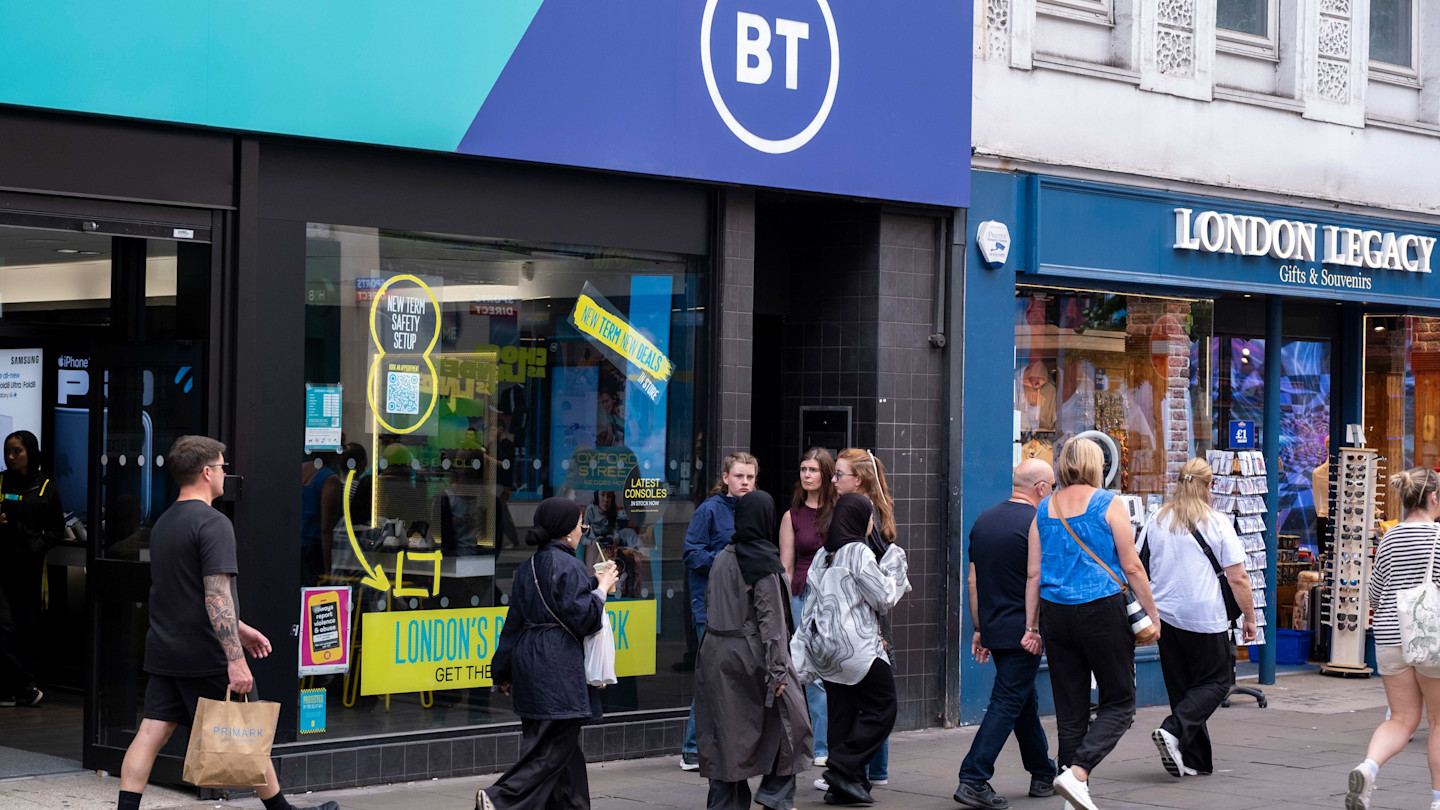
Half a century after losing its monopoly on UK telecoms, BT Group still holds sway. Its swoop on TalkTalk, a debt-laden broadband rival that’s currently in administration, shows the way.
While the financials of the deal are modest by the standards of the UK behemoth — a cash cost of £400mn in exchange for picking up £1.2bn of revenue — the key issue here is that the government is exercising powers to consider “the wider public interest” once the Competition and Markets Authority has reported on competition concerns.
Upon completion, BT’s share of the retail customer base will rise from 31 per cent to 36 per cent. Depending on the measure used, it will have 65 to 90 per cent of the wholesale market. Yet under the so-called public intervention notice, the Competition and Markets Authority will not examine the transaction through its usual lengthy consultation process. Instead, it will have a fortnight to come up with findings.
One justification for this is the notion that if TalkTalk simply disappears, it will rip away essential services, ranging from health authorities to traffic lights that depend on TalkTalk for connectivity. BT, as a major provider of UK infrastructure, is definitely a safe pair of hands in this respect.
But, unusually, the UK telecoms company appears on multiple sides of this deal. TalkTalk, like many broadband suppliers, relies on physical infrastructure run by BT Openreach — a fully owned but legally separate part of BT — for which it pays up to £80mn a month.
For its part, BT may argue that there wasn’t anyone else who could have acquired TalkTalk. This is an accelerated end to a slow-drip saga. TalkTalk has long struggled, prevailing upon its put-upon lenders and investors to keep infusing cash. Several proposed deals have ended up going nowhere; other smaller ones — such as selling blocks of customers — barely moved the needle.
BT’s position in the ecosystem, coupled with the importance of the work it does, means that it is hard to imagine a different outcome for TalkTalk. But that has pushed the CMA into a difficult position. The watchdog typically takes a robust view of reduced competition in the telecoms market. For example, it looks minded to block a proposed deal by the owners of Virgin Media O2 to acquire a rival
That it is taking a back seat this time round, at the behest of government, may relieve TalkTalk’s long-suffering backers. It raises the question of why, if TalkTalk really is so essential, watchdogs did not get involved earlier to make sure it remained financially viable — or make sure there were potential buyers other than BT if push came to shove. As things stand, the potential for less choice and higher prices will do few favours to other stakeholders.