This article is part of FT Globetrotter’s guide to Chicago
While there is a time and place for the tourist attractions of the Loop, Chicago is best experienced by venturing into its patchwork of neighbourhoods. Nestled among the restaurants, shops and homes of these communities are some of the city’s longest-standing institutions: its local taverns. Whether you’re looking for a cheap drink, good conversation or something unexpected, getting your shoes sticky on the floors of Chicago’s dive bars offers a window into the city’s culture that the museums and architectural boat tours simply can’t.
Precisely defining a dive bar is notoriously difficult, though there are a few non-negotiables. The drinks should be cheap. There should be a regular and local clientele (men and women of a wide range of ages, often friendlier than the bars’ rough exteriors might suggest). The vibe should be unpretentious and the interior should not feel sterile or overly designed. Most of all, a dive bar has to have a history; dives need time for surfaces to get worn down and for quirks to become traditions. I’m not sure that’s a process that can be rushed without it feeling contrived.
Then there is a bucket of “usuallys”. There’s usually not much food or natural light. Dive bars usually only accept cash. They’ll make mixed drinks, but often nothing elaborate enough to be described as a “cocktail”. There’s usually a notable owner or bartender with whom even first-time visitors will be familiar.
A good dive should also have something strange and unexplained about it: a side room with no discernible purpose, painted portraits covering every free inch of the walls, an antique animatronic sign behind the bar.
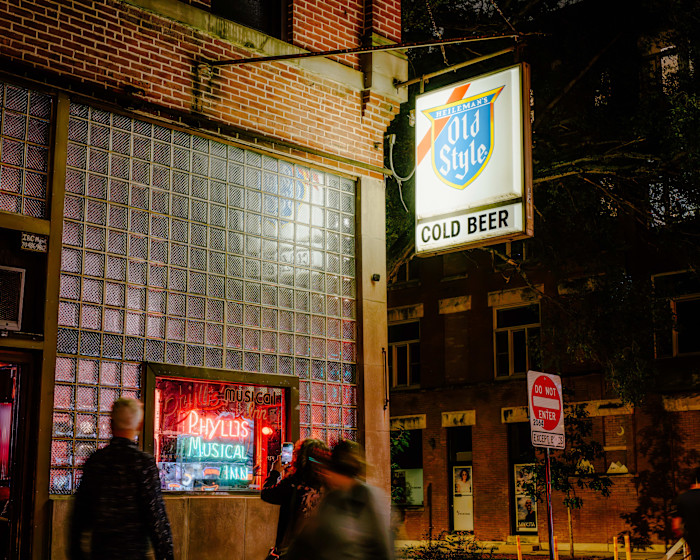
In Chicago, a rusty Old Style sign hanging outside an establishment isn’t a requirement, but it’s a good indicator. Old Style is a pretty middling beer — my beer of choice is a Bud Heavy, so trust that this isn’t coming from a place of snobbery; some cheap beers are just worse than others. But its ubiquitous logo serves as a bit of shorthand that you will find a dive inside. It is also one of two components for a “Chicago Handshake”, a popular drink that combines Old Style beer with one of the city’s most infamous creations: Jeppson’s Malört.
Many of Chicago’s famed staples have a catch: every hot-dog stand sells essentially the same thing; locals often prefer thin-crust “tavern style” pizza to the more famous “deep dish”; a dipped Italian beef sandwich will leave you confined to a couch for an afternoon. Jeppson’s Malört’s catch is more straightforward: it tastes terrible. Comedian John Hodgman once described it as tasting “like pencil shavings and heartbreak”; others have likened it to gasoline or hairspray (among other descriptors not printable in this newspaper).

The wormwood liqueur was first produced by a Swedish immigrant to Chicago in the 1920s and sold as a medicine. It’s seen a resurgence in the past few decades, and taking a shot of Malört now serves as a kind of local prank or a rite of passage. There is some beauty to this happy accident; you rarely find something this off-putting produced on purpose. You’ll never forget a bar if you take a shot of Malört there, particularly chased with an Old Style.
I’ve been visiting Chicago dives since before I was of legal drinking age, but I still wouldn’t feel comfortable declaring any set of them “the best”. Instead, I’ve put together a selection of my favourite spots across different parts of the city. While most won’t offer much in the way of food, each of these bars brings something special to the table.
A ghost with your drink: Simon’s Tavern (Andersonville)
5210 North Clark Street, Chicago, IL 60640
A good dive bar can fit many occasions, from a place to catch up with a friend on a weeknight to a birthday party on a weekend afternoon. But I would argue that all dives are primarily either “summer bars” or “winter bars”.
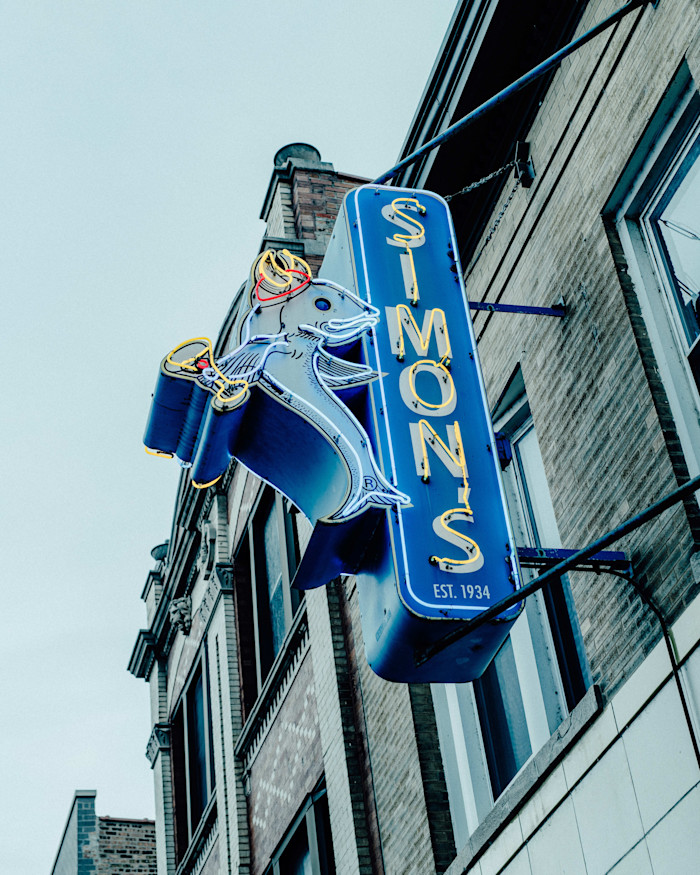
Simon’s is a winter bar. Wander in on a dark, cold night, under the glow of the bright fluorescent sign (a fish drawn in blue and yellow, wearing a Viking helmet). Stomp the snow off your boots and take a seat on a bar stool. Order a glass of glögg, a Swedish mulled wine. As you sip your first glass, you’ll warm up enough to remove your coat, maybe take in the music of a local band playing that night, talk to your neighbours or bartender. Then look at the large mural behind you.
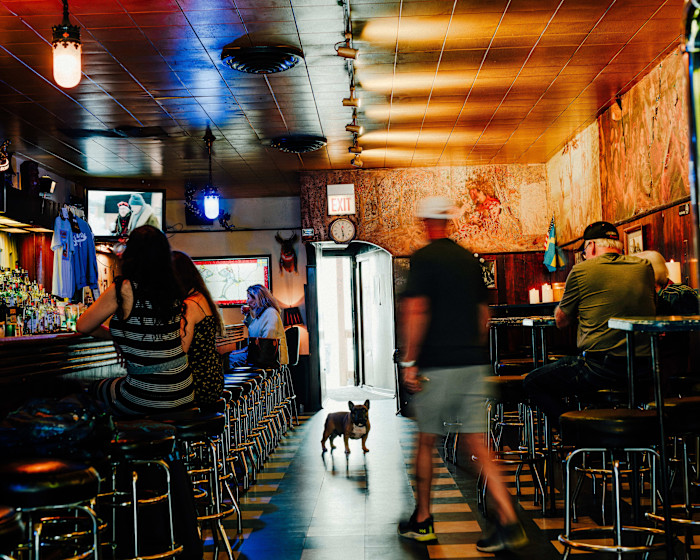
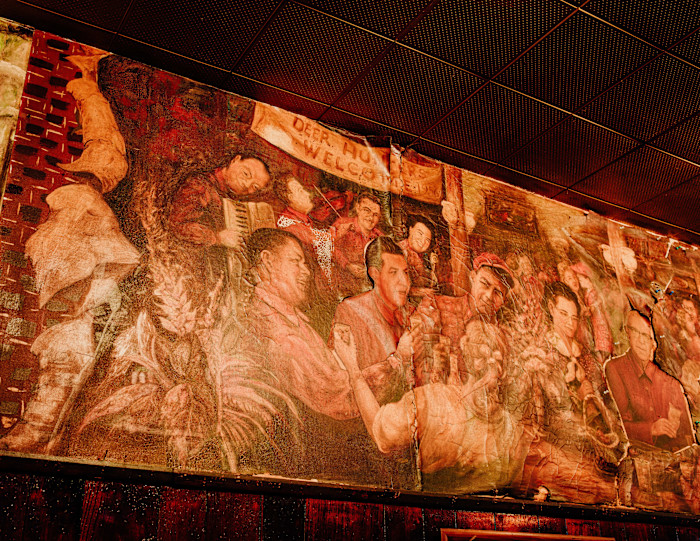
The painting depicts the 1949 Deer Hunters Ball, an annual event for the Swedish immigrants who once made up the majority of Andersonville’s residents. A section removed from the top of the painting depicted a woman who died tragically after a relationship with one of the late owners. Bartenders and patrons say she has haunted the bar for years. Instagram; Directions
Live music with your drink: Phyllis’ Musical Inn (Wicker Park)
1800 West Division Street, Chicago, IL 60622
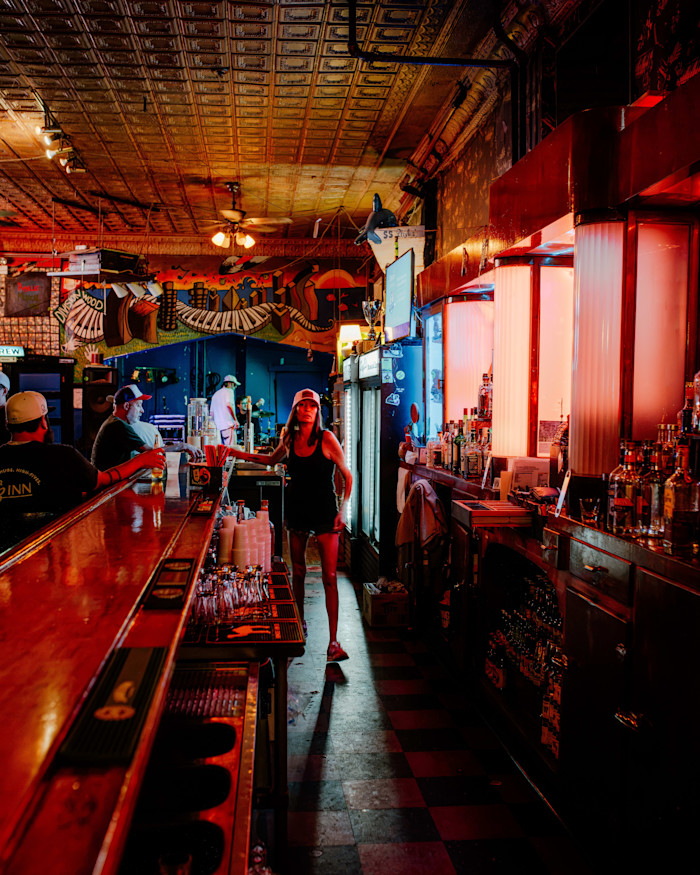
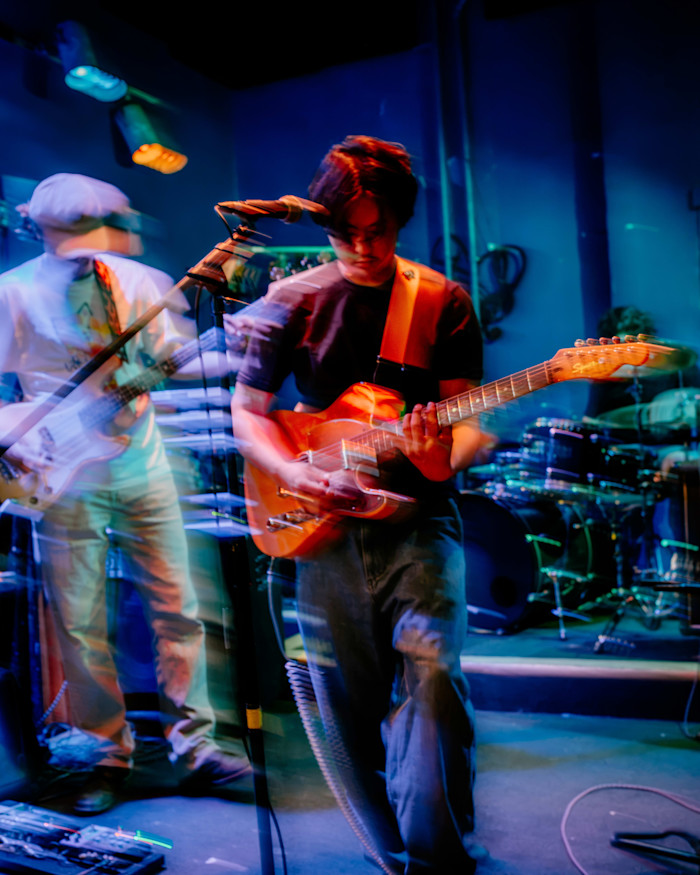
There are plenty of dives that host live music and music venues that double as dives (such as the Empty Bottle a few blocks away), but none of them get the balance quite as right as Phyllis’ Musical Inn. Its long wooden bar, neon lights and glass-block windows create an almost cinematic atmosphere around the mostly local musicians performing at the back of the space. Originally a polka bar, its charmingly decorated stage now hosts an eclectic mix of acts that pair well with a can of beer and a bar stool — anything from indie rock, folk and jazz to comedy and poetry, depending on the night — generally for a small cover or none at all.
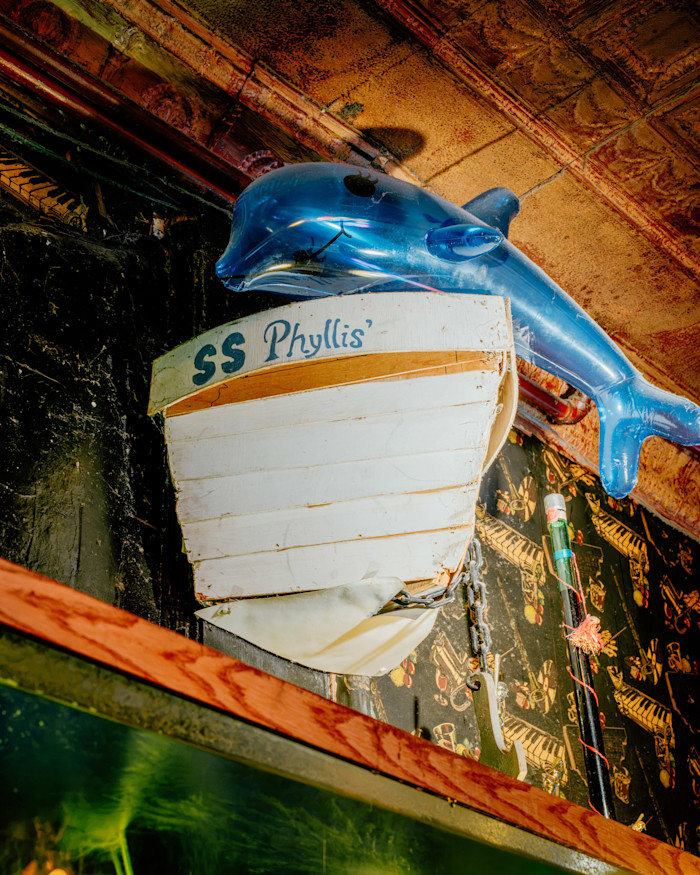
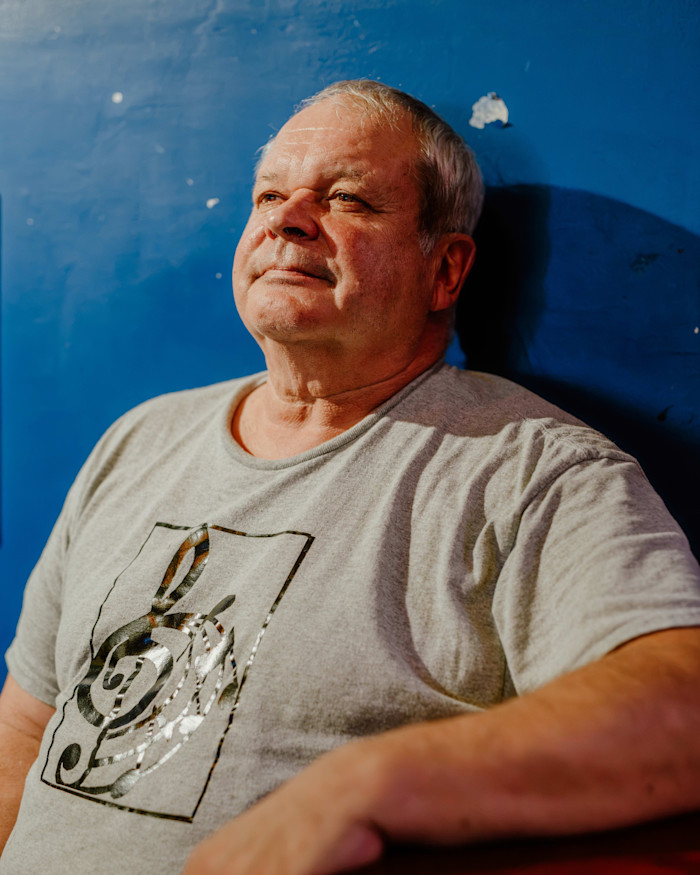
An accordion player named Phyllis Jaskot and her husband started the bar and turned it into one of several destinations for music along Division Street, back when Wicker Park was a predominantly Polish neighbourhood. As the area around it has undergone several rounds of gentrification, the bar now advertises itself as “the only place in Wicker Park that hasn’t changed since 1954”. Instagram; Directions
A photo booth with your drink: Rainbo Club (Ukrainian Village)
1150 North Damen Avenue, Chicago, IL 60622
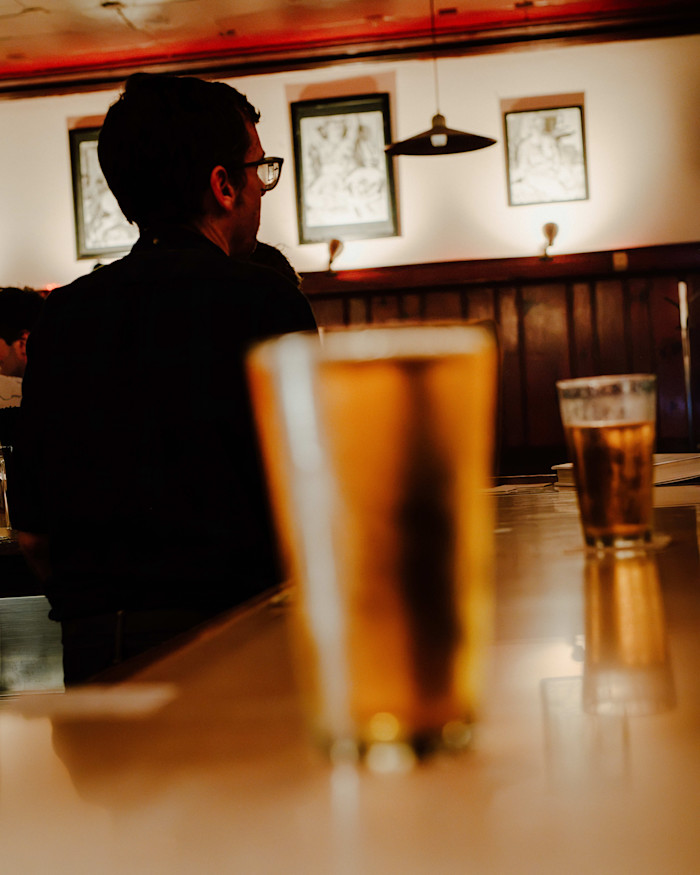
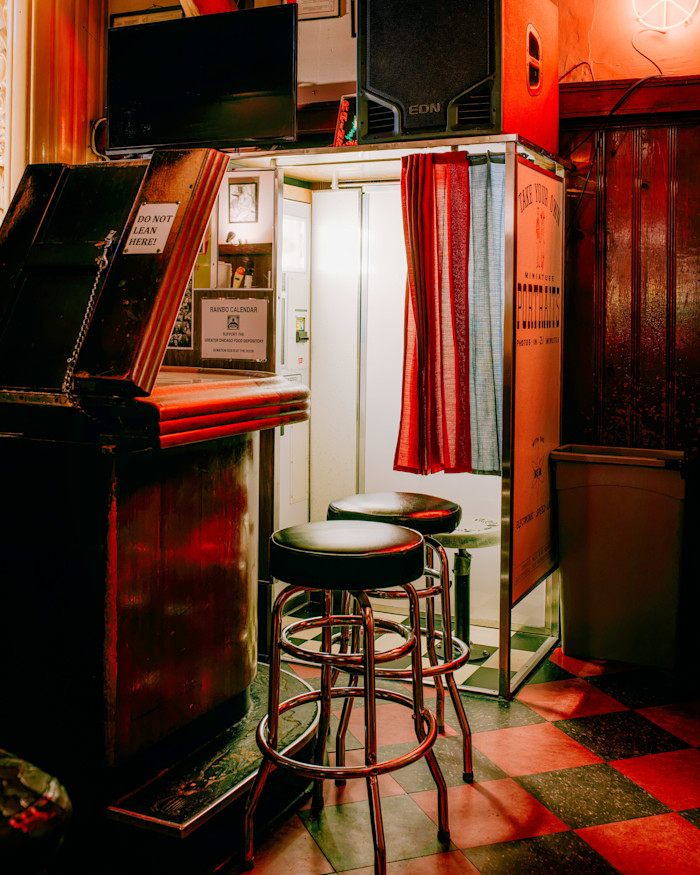
If Phyllis’ Musical Inn is the last remnant of an old Wicker Park, it’s only because Rainbo Club sits 10 steps over the neighbourhood boundary into Ukrainian Village. Founded as a Prohibition Era speakeasy, it was the most frequently mentioned spot among friends and family members that I surveyed for this story and is one of the city’s most quintessential dives.
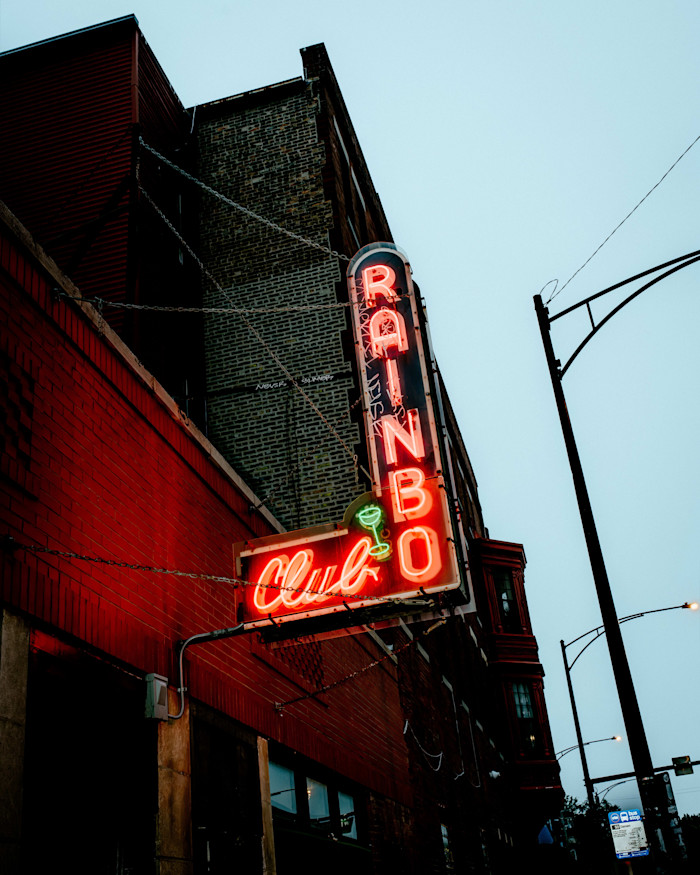
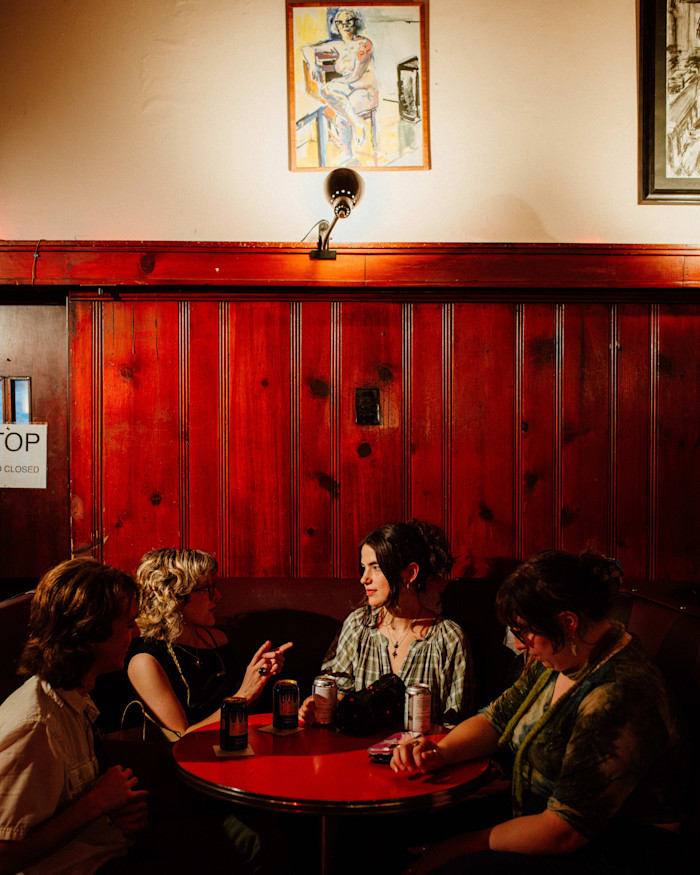
A string neon sign lights up a brick facade and points the way inside to a curving, oversized bar. Behind it, bartenders play vinyl records and serve unusually cheap drinks — beers on tap for as little as $3, cash only, of course. On the edge of its single room, next to the seating booths, is an antique black-and-white photo booth. Its claim to fame is that the cover of Liz Phair’s first album was shot in it, but it’s also one of an increasingly rare breed of film photo booths. Step into it and take home a souvenir worth more than any hat or snow globe. Instagram; Directions
A game of baseball or ‘Stingo’ with your drink: Bernice’s Tavern (Bridgeport)
3238 South Halsted Street, Chicago, IL 60608
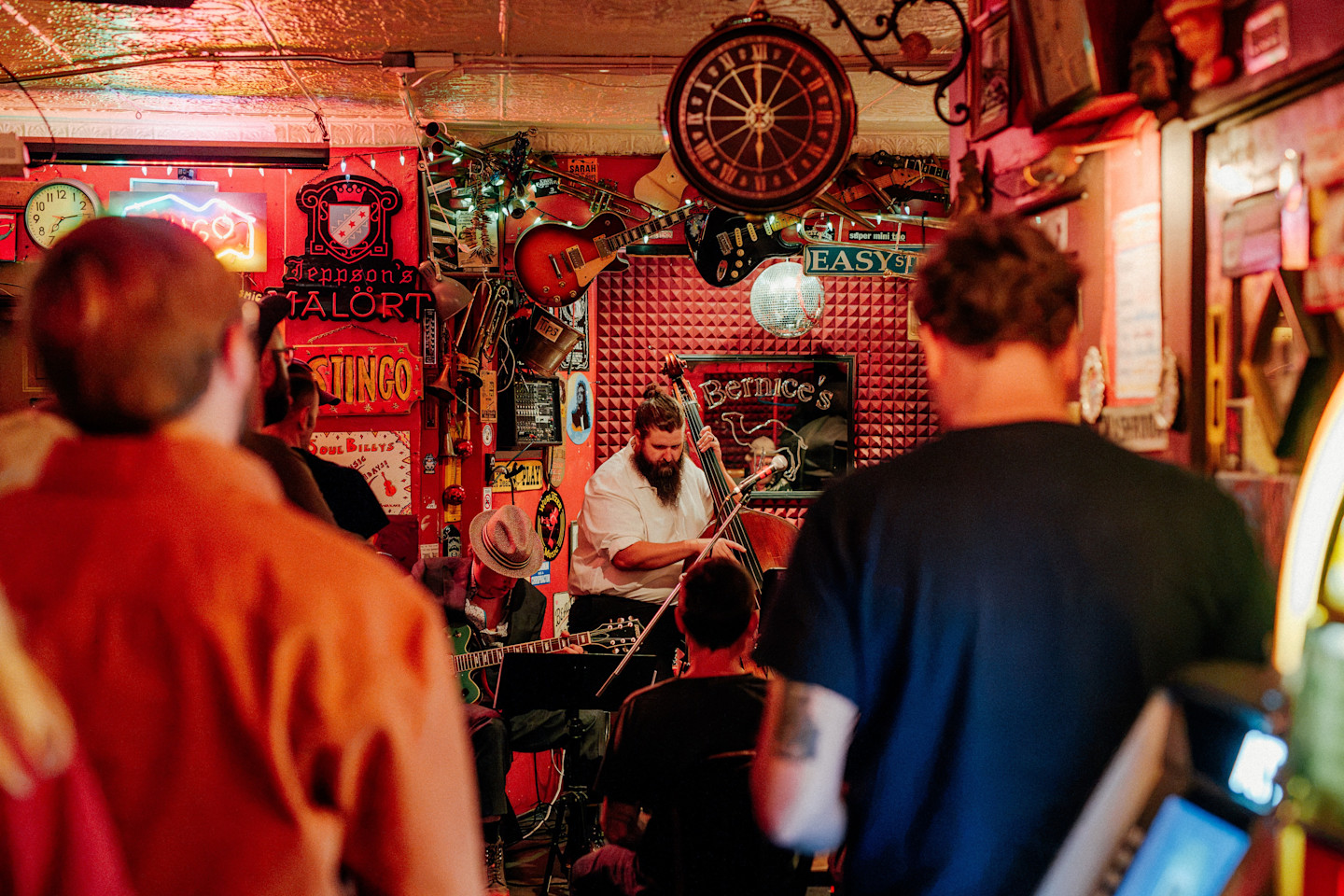
The oldest bar on this list by several decades, Bernice’s Tavern is located in the heart of Bridgeport, the home of Richard J Daley and his son, Richard M Daley, who served as mayors of the city for a combined 43 years. Bridgeport is also home to the Chicago White Sox, the favoured baseball team of myself and Pope Leo XIV. The stadium is a short walk from Bernice’s, making this a great stop before or after a game.
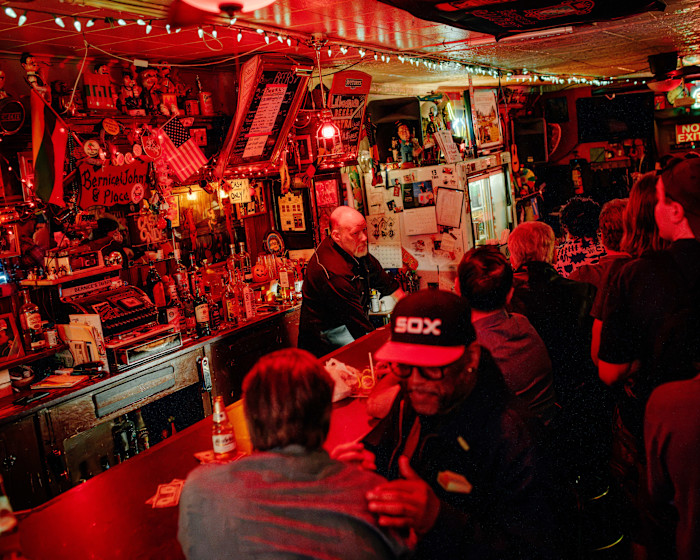
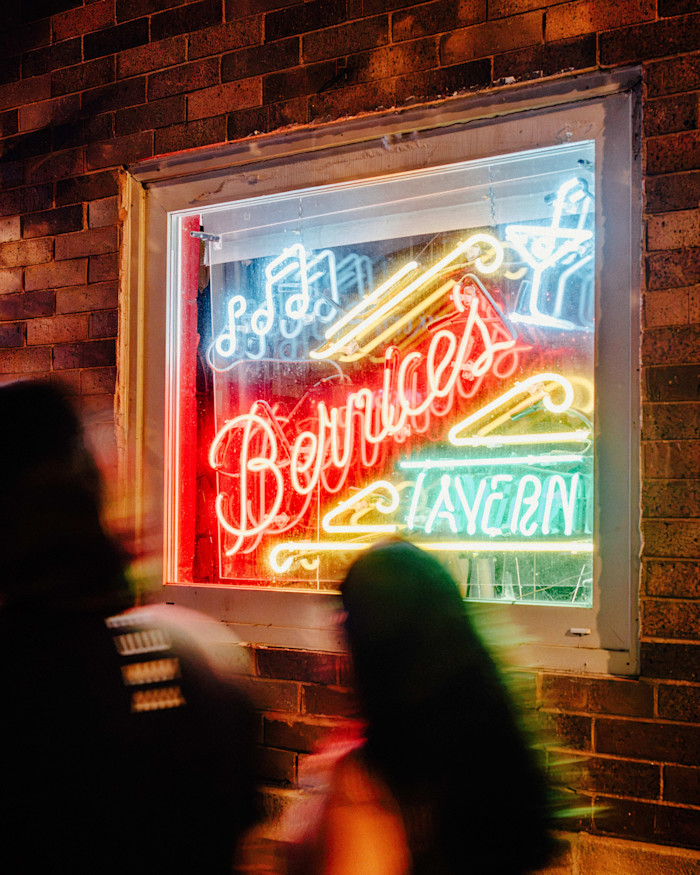
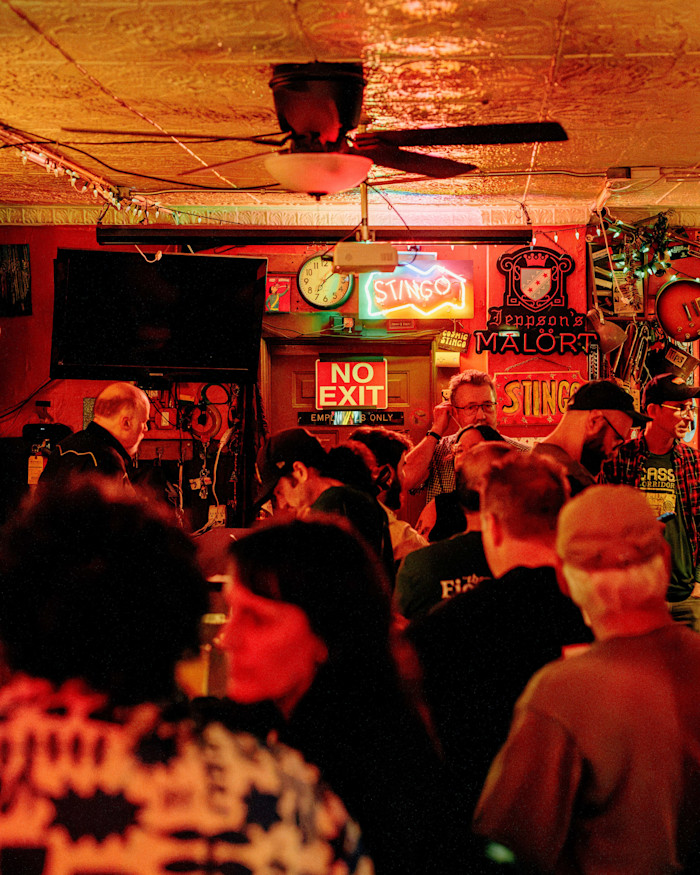
The bar is a former funeral home-turned-Prohibition speakeasy-turned tavern with classic ingredients: a jukebox, a long bar with several layers of accumulated relics behind it, cheap drinks sold for cash only. On Wednesday nights, the bar’s owner Steve Badauskas hosts “Stingo” (a portmanteau of his name and bingo), a charming tradition that awards small prizes and attracts a dedicated following. Instagram; Directions
Honourable mentions
Cunneen’s 1424 West Devon Avenue, Chicago, IL 60626. Facebook; Directions
Empty Bottle 1035 North Western Avenue, Chicago, IL 60622. Website; Directions
Friar Tuck 3010 North Broadway, Chicago, IL 60657. Instagram; Directions
L&L Tavern 3207 North Clark Street, Chicago, IL 60657. Instagram; Directions
Reed’s Local 3017 West Belmont Avenue Chicago, IL 60618. Website; Directions
Sovereign Liquors 6202 North Broadway, Chicago, IL 60660. Directions
The Old Town Ale House 219 West North Avenue, Chicago, IL 60610. Website; Directions
Sam Learner is a graphics journalist on the visual storytelling team
Which Chicago dive bar do you favour? Tell us in the comments below. And find more of our Chicago guide here
Follow us on Instagram at @FTGlobetrotter
Cities with the FT
FT Globetrotter, our insider guides to some of the world’s greatest cities, offers expert advice on eating and drinking, exercise, art and culture — and much more
Find us in Chicago, London, Washington DC, Los Angeles, Tokyo, New York, Paris, Lagos, Rome, Frankfurt, Singapore, Hong Kong, Miami, Toronto, Madrid, Melbourne, Copenhagen, Zurich, Milan, Vancouver, Edinburgh, Venice and Istanbul