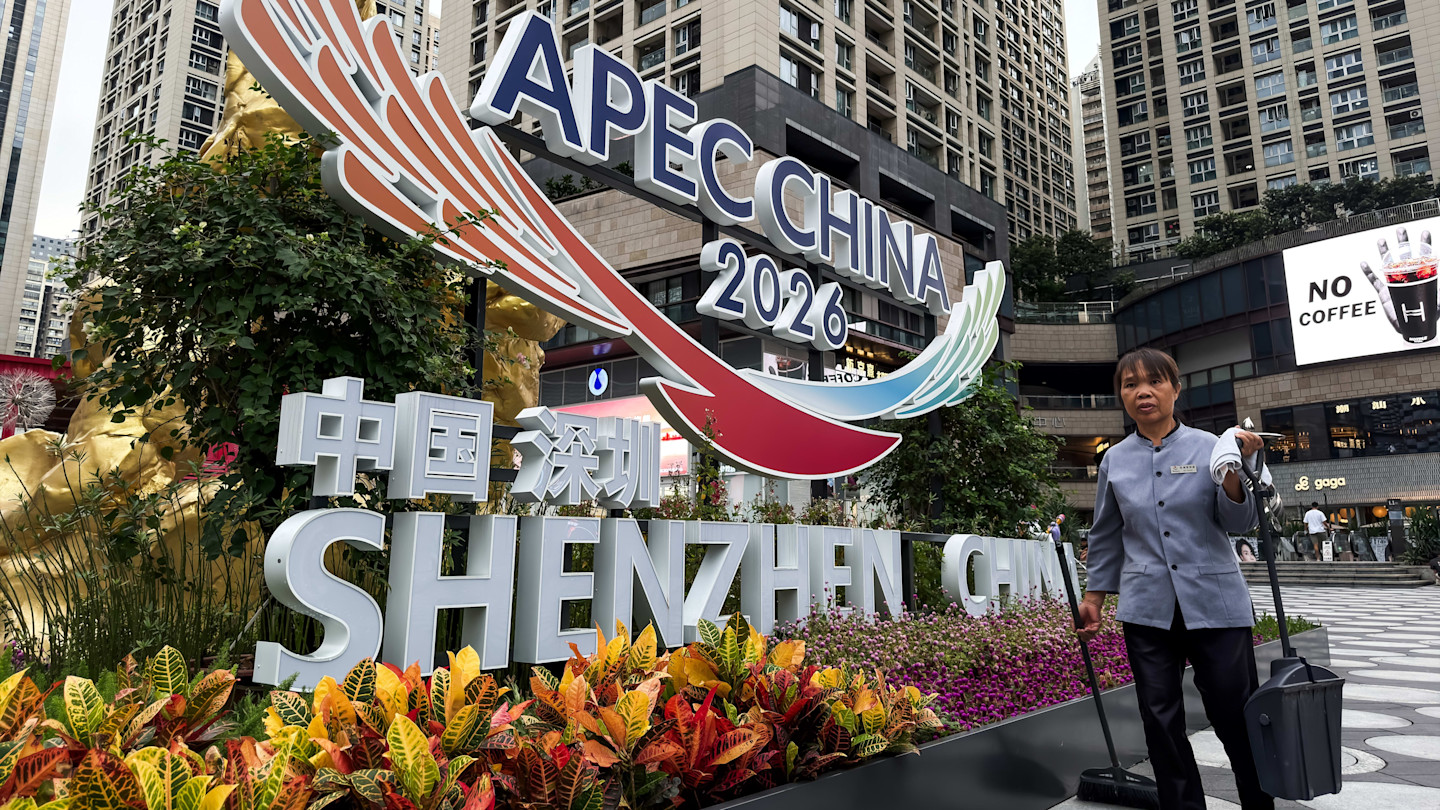
China is planning to curtail one of this year’s most important regional diplomatic meetings, prompting backlash from partners at a time of concern over the need for multilateralism amid trade turmoil, AI advances and wars in the Middle East and Ukraine.
China, which is set to host the Asia-Pacific Economic Cooperation forum in Shenzhen next month, has proposed moving a key meeting of foreign and trade ministers online, according to six people familiar with the plan.
It also plans to omit the “retreat” that traditionally accompanies the summit and allows leaders to interact more freely, five of the people said.
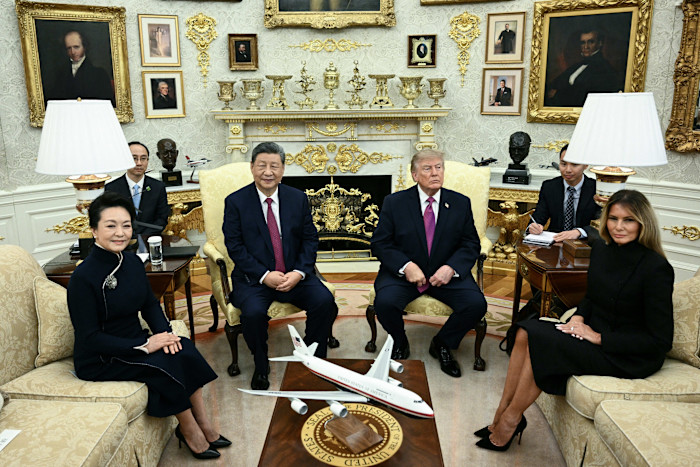
The Apec summit — the first to be held in China since 2014 — was already at risk of being dominated by a meeting between US President Donald Trump and Chinese leader Xi Jinping, their third this year.
But China’s move to scale back the agenda has alarmed participants who fear that Xi will exploit the event to burnish Beijing’s image while limiting opportunities for substantive discussions.
One of the people briefed on the discussions said Beijing was seeking to showcase the country’s strengths rather than host a meaningful international forum. A second person said China wanted to “stage manage” the event. “It undermines the spirit of Apec.”
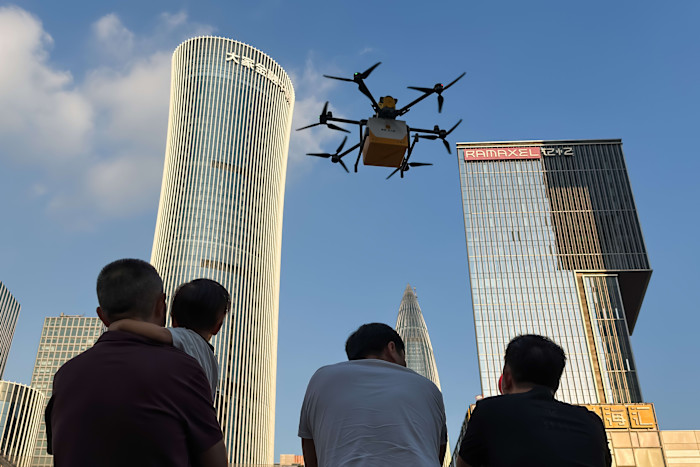
China is hoping to use this year’s forum to position itself as a leading proponent of multilateralism at a time when the US has turned its back on international institutions. It will also look to promote its technological prowess, hosting the summit in the southern city of Shenzhen, the country’s most important hub for high-end innovation from robotics to drones.
The Apec summit brings together 21 Pacific Rim economies and the ministerial meeting is considered among its most significant components, allowing for more detailed dialogue than the choreographed summit a few days later. Countries usually send their trade and foreign ministers.
“The meat on the bones has always been the [annual ministerial meetings],” said one of the people briefed on the discussions.
China has not communicated to participants why it is pushing for a digital meeting. Some attendees suggested that it would allow Beijing to exert greater control over complicated logistics and reduce the risk of any embarrassment.
Several of the people noted that Apec is also among the most important multilateral institutions to include both China and Taiwan, over which Beijing claims sovereignty.
Taiwan attends Apec meetings as “Chinese Taipei” — the same name it uses for international sporting competitions such as the Olympics — and is expected to dispatch a special envoy to the leaders’ summit rather than President Lai Ching-te.
The leaders’ meeting is likely to be truncated to just a dinner and a plenary session, according to three of the people familiar with the matter, omitting the retreat that is a feature of many summits.
In a statement to the FT, Eduardo Pedrosa, executive director of the Apec Secretariat in Singapore, noted “a very busy regional schedule, with Apec, Asean [The Association of Southeast Asian Nations] and East Asia Summit meetings packed into a matter of days”.
“Even with such a demanding calendar, we expect a strong turnout for Apec Economic Leaders’ Week,” he said.
Trump has confirmed he would attend, which will mark the third of four planned meetings this year between the US and Chinese leaders. Trump hosted Xi in Washington last month, following a state visit to Beijing in May. The Chinese president is set to attend the G20 in Miami in December.
The plans for a curtailed Apec summit could yet change, but China seemed adamant in its stance, the people said.
One person briefed on the discussion, who said their country had been pushing back against the “fairly unprecedented” online meeting for three months, said their sense was that it was “95 per cent” confirmed.
“It’s as set in stone as it could be,” the person said.
China’s foreign ministry, the Taiwanese government and the US state department did not respond to requests for comment. A Japanese foreign ministry official said Tokyo had not received formal notification that the ministerial meeting had been moved online.