Good morning. Today, our trade correspondent explains why Germany’s volte-face on standing up to Chinese trade threats is too little, too late for many other EU capitals. And Moldova’s premier tells me that the country is already primed to start closing EU accession chapters — if Brussels keeps up its end of the bargain.
Converted
Four years after Germany’s Zeitenwende on foreign and defence policy, Berlin has made another “turning point” on trade, with a call to raise barriers against China. Many of its EU allies think it’s not a moment too soon, writes Andy Bounds.
Context: Germany’s manufacturers were until recently as reliant on China’s consumers as they were on cheap Russian gas. Germany has long opposed tougher action against Beijing, even as its trade deficit has ballooned.
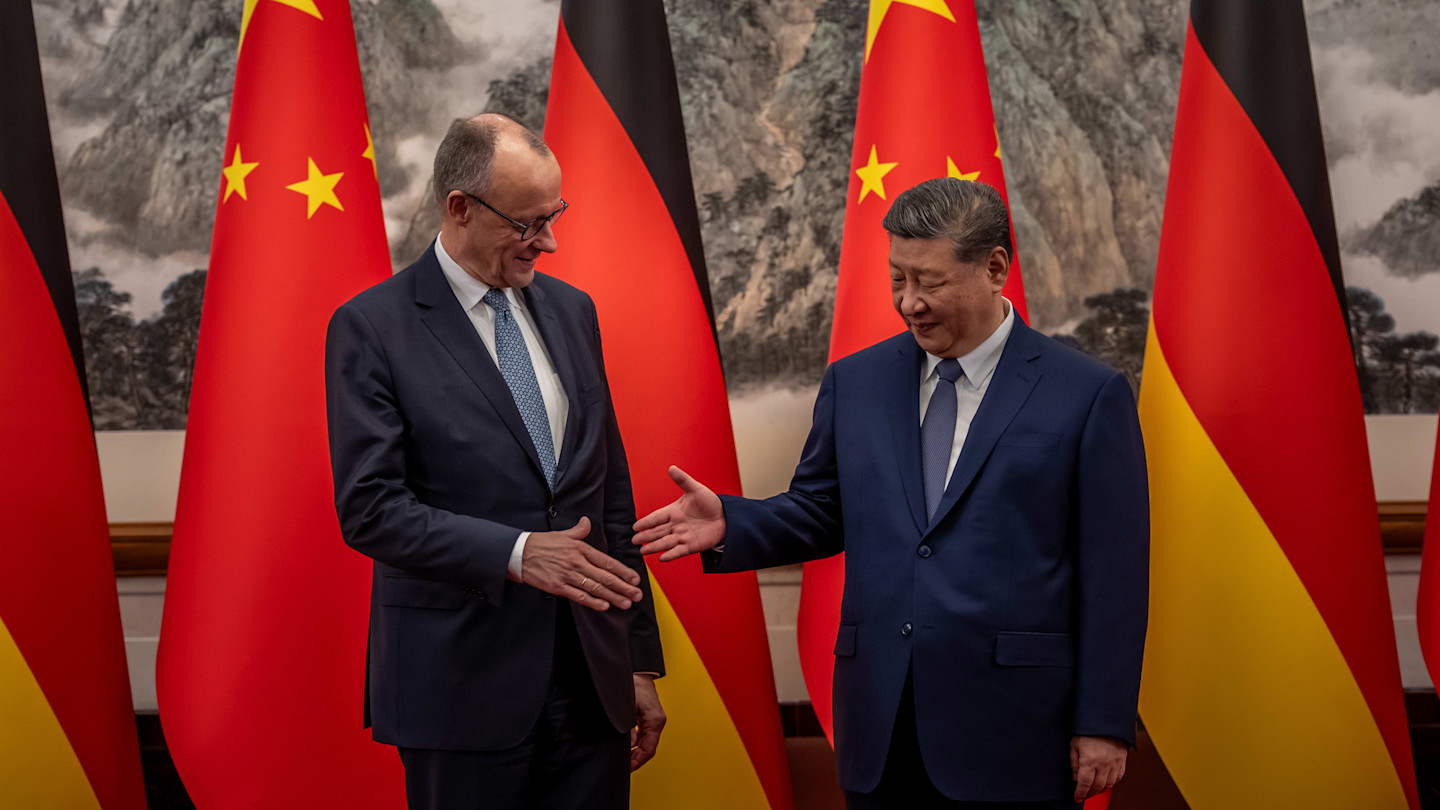
But yesterday Chancellor Friedrich Merz demanded strong action to save Europe from Chinese exports. In a letter to European Commission president Ursula von der Leyen with French President Emmanuel Macron, Merz called for tougher trade measures and a new instrument to quickly close the EU market to countries that do not play by the rules.
No country was mentioned but with trade commissioner Maroš Šefčovič off to Beijing on Thursday the target was clear. Šefčovič has called the EU’s roughly €1bn a day trade deficit with China “unsustainable” and a threat to the European social model.
The two leaders say that “a massive industrial shock is affecting sectors at the heart of the European industrial model and of systemic relevance”, referring to pharmaceuticals, aerospace, automotive, machine tools and chemicals industries.
It comes just two years after Germany declined to back the imposition of anti-subsidy duties on Chinese electric vehicles — a fact remarked upon by member states who have been calling for tougher action against Beijing for years.
“Germany is pragmatic,” said one EU diplomat. “As long as China was buying its cars and machinery it didn’t want to pick a fight. Now it is damaging the economy, that has changed.”
“Germany has long been the most reluctant EU member state, but Berlin finally seems to have seen the light,” said a second.
Officially Berlin still tries to comply with WTO rules and refrains from naming China as the main culprit. The problem, German officials say, is “unfair practices” and “distorted competition”.
A German official acknowledged that the combination of falling German exports to China and surging Chinese imports had triggered a shift.
“Industry has moved and political parties especially, the [ruling centre-right] CDU as well,” they said.
Chart du jour: Bonds and barricades
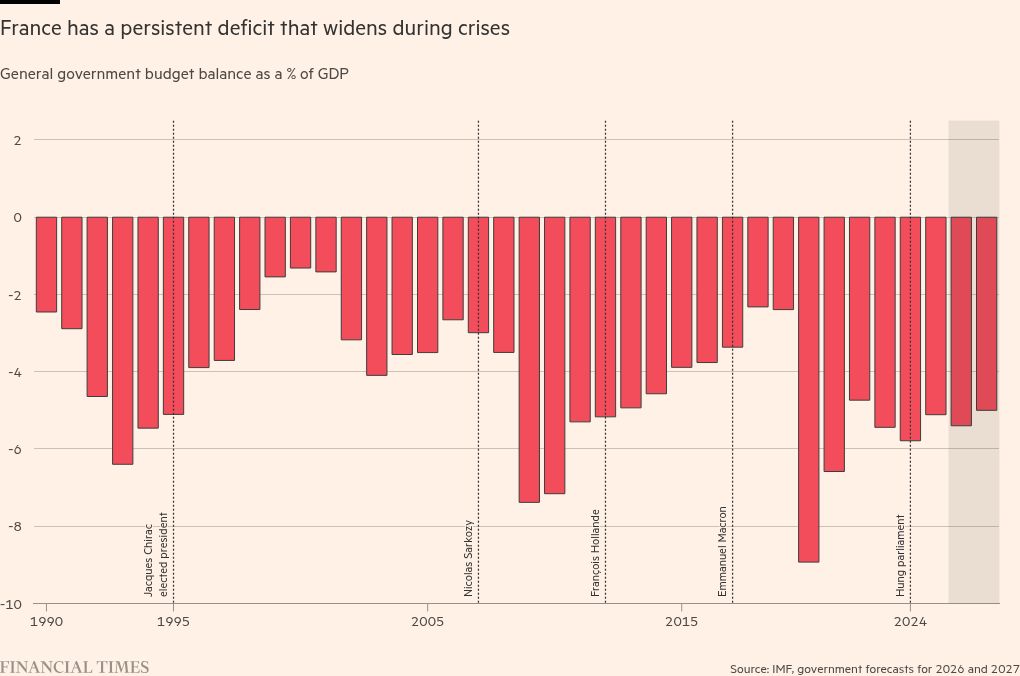
France is being hit by a pre-election debt sell-off that could spill into a full-blown financial crisis·. Many fear it could shake the entire Eurozone.
Closing time
Moldova is already technically able to close at least seven of its 33 EU accession stages, its prime minister has said, as he urged Brussels to provide a “window” for securing membership in the next two years.
Context: Moldova is one of four candidates — alongside Ukraine, Montenegro and Albania — assessed by Brussels as frontrunners for membership. The former Soviet republic has been constantly targeted by Russian propaganda urging citizens to oppose western integration. Its pro-EU president Maia Sandu steps down in October 2028.
“Let’s be pragmatic here. We don’t have time to lose. We need to use this window,” Vasile Tofan told the FT. “We need not lose the big picture. We need to get this country into Europe.”
Tofan said that Moldova had already enacted reforms that would allow it “to close seven to 10” of the European Commission’s accession milestones, known as “chapters”.
His government has devised a consultancy-style Gantt chart detailing how it can complete all the chapters in early 2028.
Tofan also said he expected the Commission to give it a glowing assessment in a progress report this month: “Everything I’ve heard, also between the lines, is that we’re going to get a good report at the end of October. We’re going to continue to be a good pupil in this classroom and we’ll continue advancing on this path.”
He waved away talk of enlargement reforms and internal EU politics that could stymie Chisinau’s progress as “above our pay grade . . . We’re just focusing on things we can control, and we believe it should be merit-based.”
Tofan said Moldova had secured Romanian gas supplies for next winter and is “pursuing long-term energy partnerships with friendly and reliable partners such as Azerbaijan”. The country’s exports to the EU have risen 11 per cent so far this year, exceeding the bloc’s economic growth.
“We bet everything on [EU membership]. So in terms of population feedback, if we don’t advance, I think the chance of Russian sentiment spiking in Moldova is very high,” he added.
What to watch today
The European Commission presents enlargement policy review proposals.
European parliament president Roberta Metsola meets Apple executive chair Tim Cook.
Now read these
Euro slump: The single currency has fallen to a 17-month low· against the dollar on high energy prices and French debt concerns.
BMW’s €2bn bet: The German carmaker is investing in manufacturing at home, even as domestic rivals cut capacity.
Armageddon chat: Putin’s nuclear threats no longer work, writes Gideon Rachman·, but weakening Russian deterrence has negative implications.
Are you enjoying Europe Express? Sign up here to have it delivered straight to your inbox every workday at 7am CET and on Saturdays at noon CET. Do tell us what you think, we love to hear from you: [email protected]. Keep up with the latest European stories @FT Europe