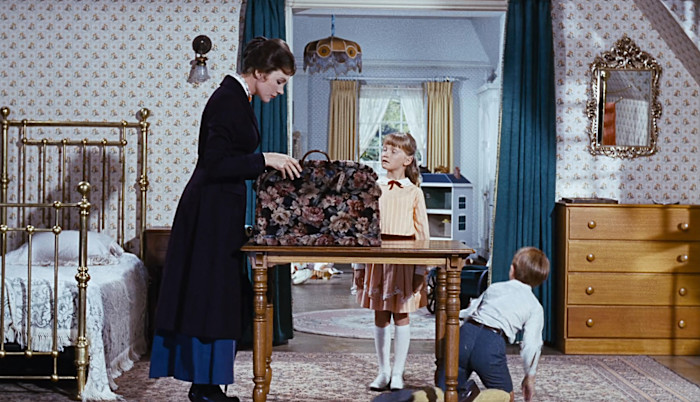
The job description for today’s elite nanny is enough to make Mary Poppins do a double take. Prerequisites include fluency in multiple languages, especially Mandarin, French and Spanish; etiquette training; and competence in skiing and tennis, with a background in martial arts a plus. An Ivy League or Oxbridge degree is preferable, with a postgraduate degree in education.
They should have seen the world, and experience working on a superyacht and a private jet is “just assumed, rather than requested”, says Anita Rogers, chief executive of British American Household Staffing, a company she founded in 2012. Today she has around 7,000 clients seeking nannies with such qualifications; families based everywhere from New York, Los Angeles and Texas, to London and Dubai. Many have two or more nannies on rotation (rota nannies), “for year-round, seven-days-a-week” childcare, Rogers says.
For the top live-in nannies, demand far outstrips supply. An elite childcare programme such as Norland, in Bath, graduates around 100 nannies annually. So, despite the rarefied requirements of the job, the nannies themselves can make their own demands. “Families have to make the roles appealing as fortunately we can pick and choose,” says UK-based, Norland-trained Sophie-Julienne Burnett, 44, who looked after children for a decade until she had her own daughter, and now consults. One way for employers to stand out? Ultra high-spec accommodation.
“A small bedroom in the basement is no longer good enough,” says Ashley Wilsdon, head of London buying at Middleton Advisors. He has two clients upsizing in Chelsea and Wimbledon respectively — both have live-in nannies and are anxious about providing a separate, appealing space “to ensure they retain them when they move”.
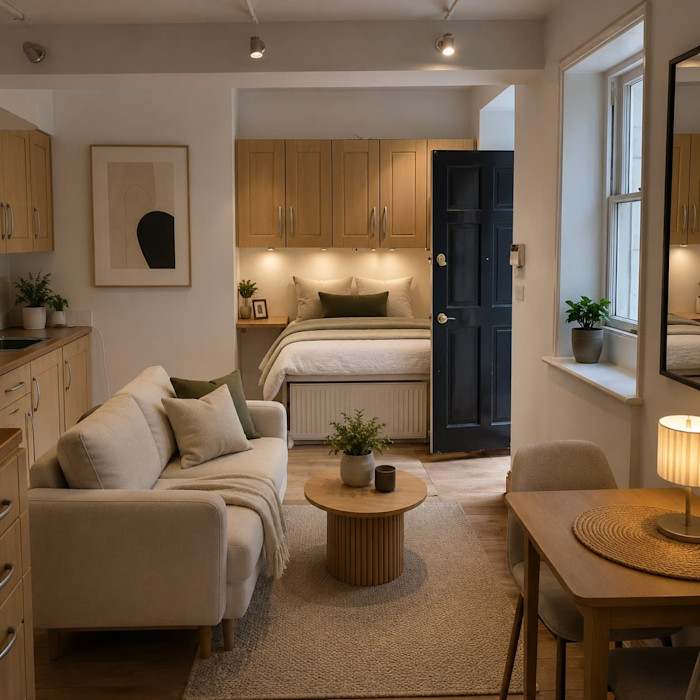
“In both cases, our clients want to provide an entire floor and are willing to compromise on their own space to facilitate a spacious bedroom and en suite, plus a separate living area,” he adds. On occasion, he has witnessed a nanny influence which home his clients decide to purchase.
“Increasingly, significant accommodation is expected as part of the nanny employment package,” agrees Marc Schneiderman, director at Arlington Residential. He recently sold two large apartments in Regent’s Park and Marylebone, and each client also bought separate studio apartments for their nannies either in the same building or nearby.
Clive Lewis always had help for his now three grown-up children. In his family’s first home in north London, where they lived for five years, the nanny had a separate studio accessed using their shared front door. When they moved to the home they lived at for the next 12, they remodelled part of the 300-year-old house to create private quarters for their nanny with an en suite bedroom, kitchen and, importantly, an independent entrance.
“Nannies work incredibly hard, and when they’re not working, they want their own private, comfortable space so they can have friends over, and we caught on to this,” says Lewis. “They appreciate the degree of independence away from the family.”
The Lewises spared no expense outfitting the nanny annexe, with timber floors, a modern bathroom and Miele appliances including a washer and dryer. Their six-bedroom house in St John’s Wood is currently for sale with Arlington Residential, and Lewis says that much of the interest has come from families who already have, or want to employ, a nanny.
For Alexis Golding, a British solicitor and mother-of-three who lives in Dubai, providing “upgraded nanny quarters was a priority” when they renovated their five-bedroom villa in Palm Jumeirah. Golding has had the same nanny for the past seven years and recently employed a second. “The nanny market is fiercely competitive and having a comfortable room can be a deal clincher; some villas have tired spaces with just bunk beds and wet rooms for nannies,” says Golding.
Each of her nannies has her own room with a Jack and Jill bathroom, each with “a good bed and quality mattress, innovative storage solutions and little touches like a nice lamp and rug to make the place homely, as well as a proper bathroom. We offer to buy whatever towels and linens they want. You want a well-looked-after nanny to be looking after your children.”
Burnett agrees “the red carpet was frequently rolled out” and recalls a particularly luxurious package for a nanny looking after one little girl in the Middle East, where she was given not only a private suite with plush furnishings and scented candles, but her own maid and chauffeur. “Yes, kids are wonderful. But it is hard work. This is not a nine-to-five job.”
But for many nannies, the ultimate luxury isn’t 1,000-thread-count sheets, a large space or fluffy towels. Bournemouth-based Claire, a live-in nanny of three decades, has run the gamut of staff digs. Ultimately, she says, despite the joys of being with children, you need space — which means shutting the door with no disturbances. One of her favourite jobs, back in the early 1990s in the US, did not come with fancy amenities, but it was away from the family bustle. “Yes, my room was in the basement, but it was great. When I was down there, no one would bother me.”
Find out about our latest stories first — follow @ft_houseandhome on Instagram