Hello and welcome to Energy Source, coming to you from New York.
The head of French energy company TotalEnergies has hailed the “opportunities” created by the turmoil in global markets, saying it gave the oil major more ways to make money.
“The disruption in the energy world . . . gives us plenty of opportunities if you’re able to capture them,” Patrick Pouyanné told the Energy Intelligence Forum· in London on Monday.
“I prefer the world of disruption to the peaceful world. There are more opportunities, but you need to have the assets.”
About 15 per cent of Total’s global oil and gas production is exposed to the conflict in the Middle East, making it one of the oil companies most affected by the fighting in the region. Nevertheless, in common with other oil majors, it has enjoyed a year of bumper profits, which rose 47 per cent in the first half of the year to $11.4bn.
At the same conference, Saudi Aramco’s chief executive said the world’s oil stockpiles are now “scarily thin” and that it would take up to two years to rebuild inventories depleted during the Middle East conflict.
Amin Nasser said the seven-month war between the US, Israel and Iran had reduced oil supply from the region by “nearly 3bn barrels”, equivalent to roughly half the crude oil and refined fuels that would have passed through the Strait of Hormuz over that period.
More than 1bn barrels of oil have been drawn from reserves to try to cushion the shortfall, Nasser added.
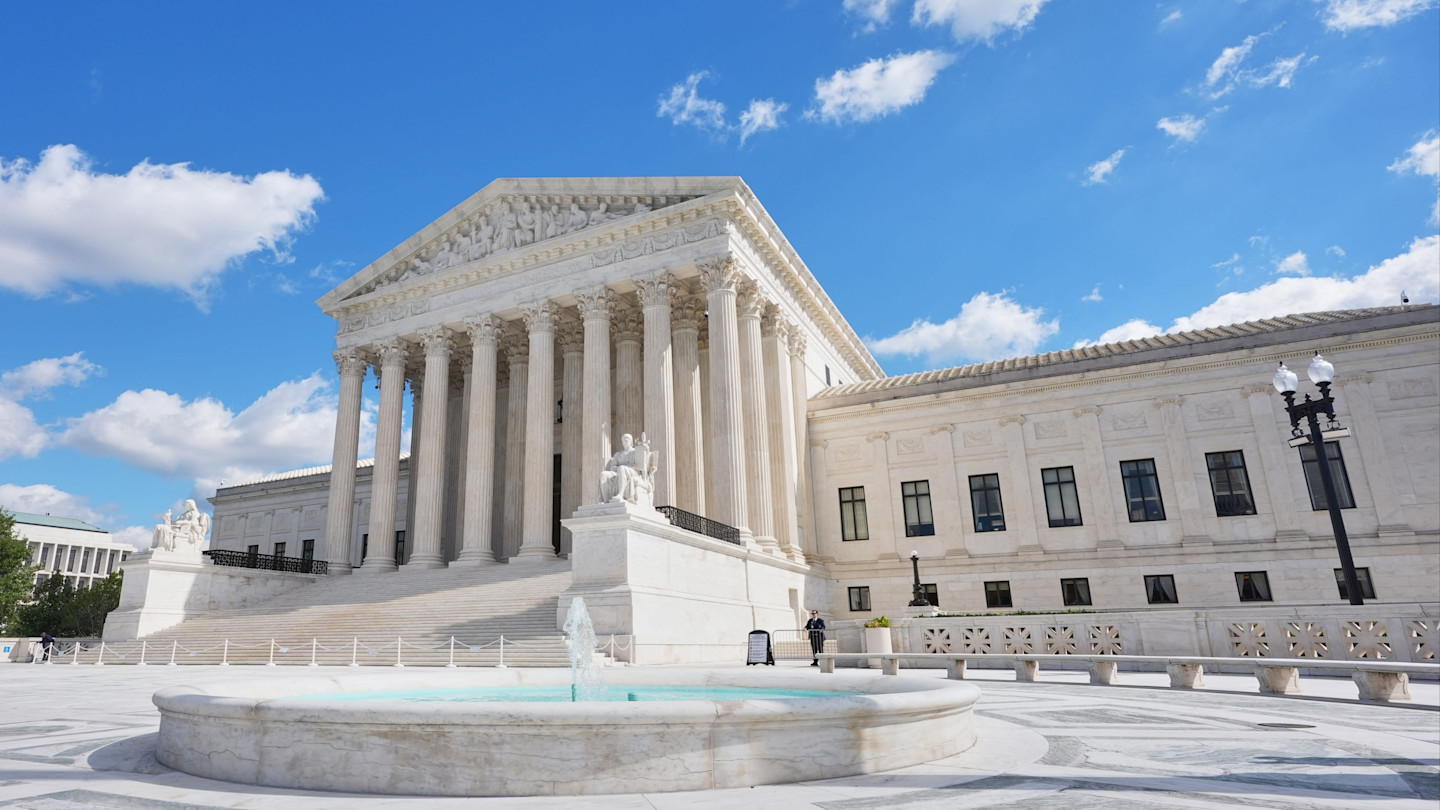
And in Washington, the US Supreme Court kicked off a new term on Monday by hearing oral arguments in a landmark case that seeks to hold Big Oil liable for climate change. More on that below.
Thanks for reading — Benjamin
Can Big Oil be sued for climate change?
The US Supreme Court grappled on Monday with a pivotal case that stands to determine whether state courts can hold top polluters liable for the costs of dealing with climate change.
ExxonMobil and Suncor Energy have asked the US’s highest court to block the progression of a compensation case first brought against them in 2018 by the county and city of Boulder in Colorado.
Hanging over the proceedings was the potential of billions of dollars of claims and other far-reaching implications of letting Boulder’s suit move forward, the FT’s Kenza Bryan, Ella Lee and Martha Muir report·.
A lawyer for the oil companies argued that interstate pollution claims are governed by federal law, and that the US constitution bars applying state law in such circumstances. “This case involves an unprecedented effort to use state law to regulate global conduct,” said Kannon Shanmugam.
He said climate cases against the energy industry were proliferating, with some plaintiffs seeking billions of dollars’ worth of damages.
Chief Justice John Roberts raised the point that state courts had been allowed to proceed in similar situations where there were broad effects, such as in legal fights involving the internet.
“I’m not quite sure what makes this situation different from those, all those other ones where we’ve allowed them to proceed in state court,” Roberts said.
However, the chief justice also noted that “a municipality in every single state” would likely file suit if Boulder prevails. “How would you think that will work out on the ground?” he asked the Boulder lawyer.
Boulder’s underlying case against some of Big Oil’s giants argues that Exxon and Suncor have knowingly contributed to global warming since the 1960s while obstructing public understanding of the human-caused phenomenon.
The Supreme Court outcome could kill or bolster Democratic states’ ability to demand energy groups pay for fire, flood and drought damages and prevention in dozens of cases.
But the cost of extreme weather events in Colorado and elsewhere was largely absent from the court debate. Instead, the arguments were largely technical, focusing on whether federal law pre-empts state authority over the fallout from climate change — and if the case is far enough along for the Supreme Court to weigh in.
A decision is expected by the time the court breaks for summer in 2027.
Power Points
Donald Trump has temporarily eased limits on the use of tax-exempt red diesel· as midterm elections approach and his administration tries to contain a fuel price crisis triggered by the US president’s Iran war.
The US’s largest utility megadeal is running into fierce opposition·, as concerns over electricity affordability and anti-monopoly sentiment mount before November’s midterms.
US refiners are on course to report a more than fourfold increase in profits because of surging diesel and petrol prices caused by Trump’s Iran war and Ukrainian attacks on Russian energy facilities.
Energy Source is written by Jamie Smyth, Martha Muir, Alexandra White, Rachel Millard, Malcolm Moore and Stephanie Findlay with support from the FT’s global team of reporters. It is edited by Benjamin Wilhelm. Reach us at [email protected] and follow us on X at @FTEnergy. Catch up on past editions of the newsletter here.
Recommended newsletters for you
Moral Money — Our unmissable newsletter on socially responsible business, sustainable finance and more. Sign up here
The Climate Graphic: Explained — Understanding the most important climate data of the week. Sign up here