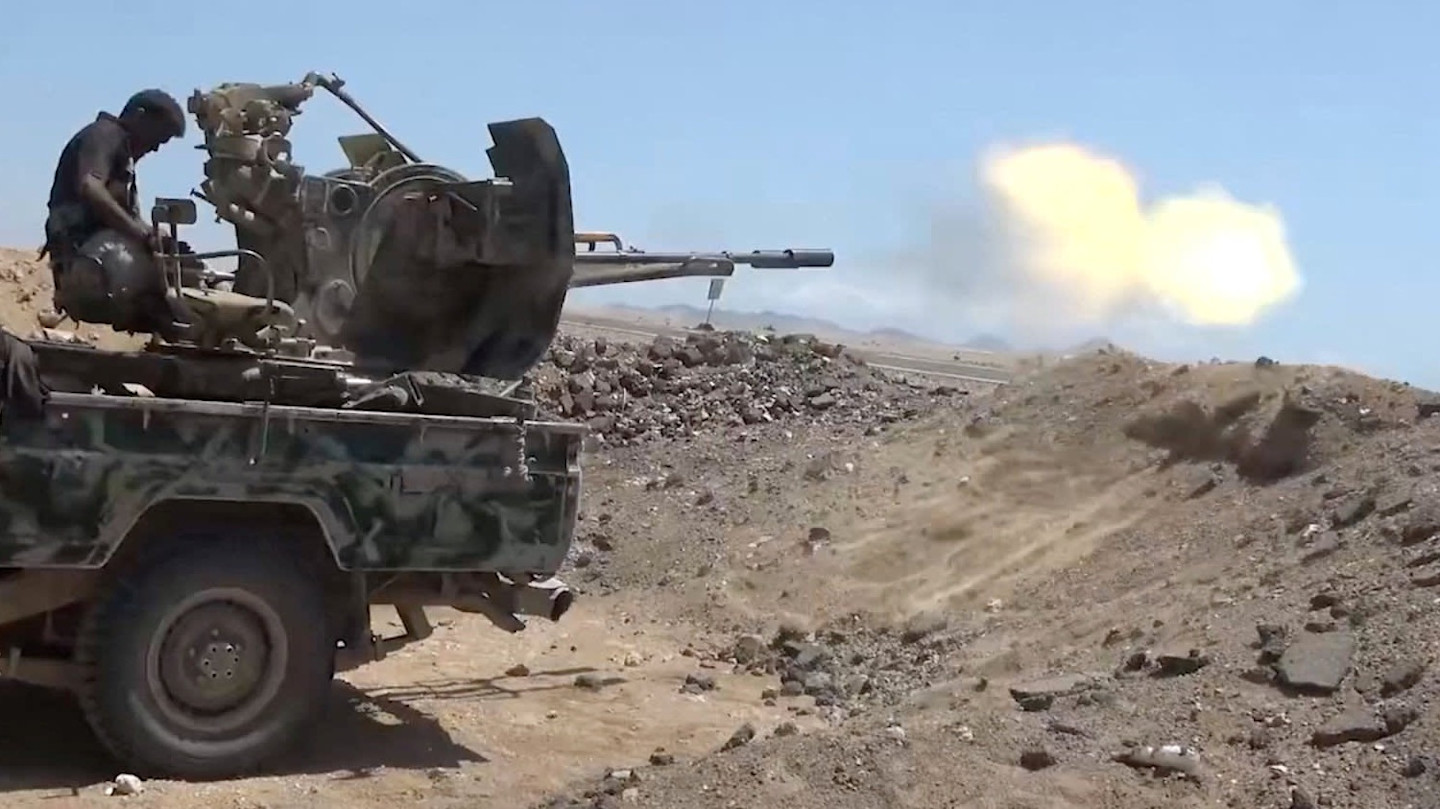
Saudi Arabia, Pakistan and Nato member Turkey have triggered a mutual defence pact for the first time, aiming to ensure the “rapid deployment” of Pakistani and Turkish “military forces and capabilities” to Saudi Arabia, the three countries said.
The decision followed an emergency meeting in Riyadh on Monday of the trio’s Mecca defence pact signed in August, which treats an attack on one country as an attack on all. It came as Saudi-backed Yemeni forces launched a military blitz against Iran-backed Houthi rebels and claimed to have recaptured the port city of Mocha.
A joint statement released late on Monday said the deployment would take place “in accordance with . . . national legislation”. However, Turkey’s parliament has not yet ratified the pact, and under the constitution Ankara cannot deploy troops until that happens.
“This suggests that (at least for now) Turkey’s contribution is more likely to involve military capabilities other than deployment of ground troops,” Gönül Tol of the Middle East Institute in Washington wrote on social media.
How large a deployment could ultimately follow remains unclear. Pakistan and Saudi Arabia already have a well-established bilateral defence agreement.
But officials close to the situation cautioned that interoperability of military forces was “difficult, especially in the middle of a war”.
Turkey has Nato’s second-biggest army after the US. The three members of the Mecca pact together field roughly 1.14mn active-duty regular military personnel.
Saudi Arabia has also sought US help against the Houthis. After the rebels stepped up their campaign in August, Riyadh asked Washington to launch air strikes against the Iran-backed group that went beyond a one-off strike, according to a person familiar with the matter, but Washington declined to participate.
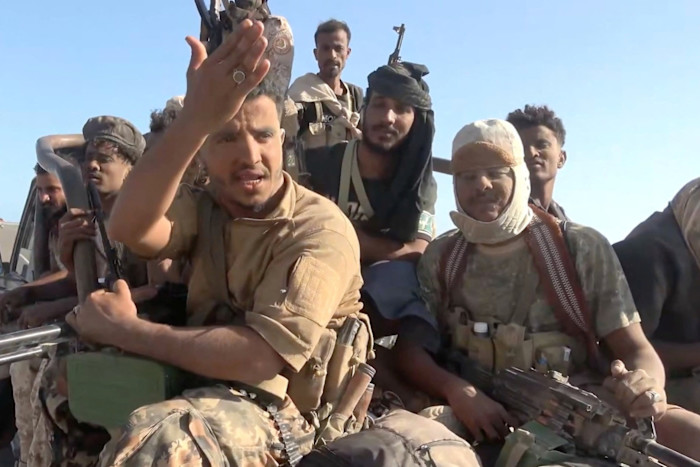
The Mecca pact announcement came as the Saudi-backed Yemeni government forces and Houthis engaged in heavy battles across multiple fronts, including the Red Sea coast and the south-western province of Taiz.
Officials from the internationally recognised government said on Monday its forces had recaptured key areas near the strategic Bab al-Mandab Strait, as the Houthis claimed to have launched several missile attacks on Saudi Arabia.
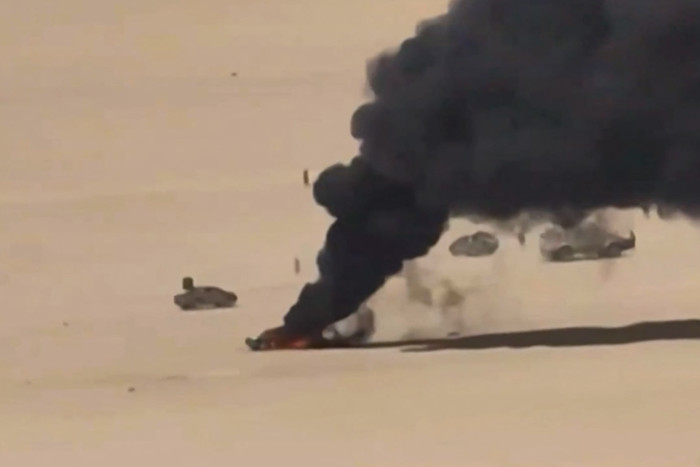
A military source told the government-linked Saba news agency that Saudi-backed government forces, with air support, recaptured the Red Sea port city of Mocha after battles with Houthi forces that controlled the city since September.
Major General Turki al-Maliki, a spokesperson for the Saudi-led coalition, said its navy conducted an operation in Hodeida that destroyed Houthi targets and foiled attacks targeting the waterways in the southern part of the Red Sea.
Saudi airports in Jizan and Najran, both located in the kingdom’s south-west, were targeted in two attacks on Monday evening, causing three minor injuries and limited material damage, according to the Saudi General Authority of Civil Aviation.
The Houthis’ military spokesperson, Brigadier General Yahya Saree, claimed in a pre-recorded statement that the rebels used ballistic and cruise missiles and drones to attack Riyadh airport and an oil refinery in Rabigh along the Red Sea coast.
US secretary of state Marco Rubio said on Monday: “Obviously the Saudis have come under Houthi attack and see the threat that poses, and they have a right to defend themselves.”
Speaking to reporters before a trip to Iceland and mainland Europe, Rubio added: “Obviously the Yemeni forces are going to try to retake territory that they were ousted from.”