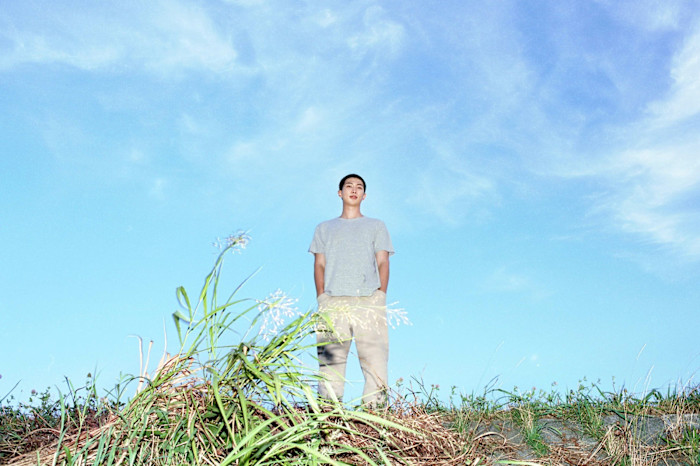
“This exhibition is called RM x SFMOMA but, you know, it’s about my personal things, so I prefer to be called Namjoon. Or you could call me Joon, like, if it’s too long.” So says Kim Namjoon, aka RM, the 32-year-old lead musician of K-pop sensations BTS, at the start of the audio guide to the showing of his vast art collection at the San Francisco Museum of Modern Art.
His modest opener characterises RM x SFMOMA: Between You and Me, which opened last weekend and combines 139 works from Namjoon’s mostly Korean art with 39 pieces of mostly western art from the museum’s holdings.
For a multi-platinum pop star, with an Instagram following of nearly 54mn, the display is surprisingly unassuming and intimate, says Patrick Lee, director of Frieze Seoul, who was at the VIP opening last week. “It is not a spectacle, and that’s its strength. It is charming and serious, very refreshing,” he says.
As K-pop and Korean art ride high, the point, says Hyoeun Kim, SFMOMA’s assistant curator of painting and sculpture and co-curator of the exhibition, is that “someone might come because they know RM through music, then discover an artwork or artist through his collection . . . At the same time, for visitors who are already familiar with modern and contemporary art and [our] collection, the exhibition offers an opportunity to discover the breadth and depth of Korean art.”
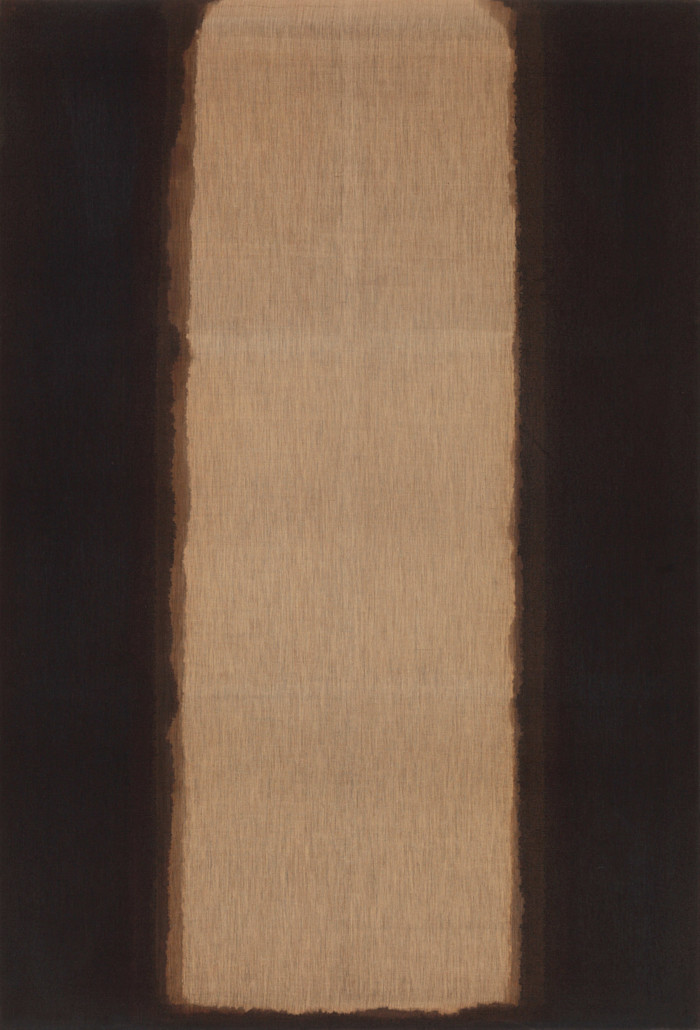
The range of Namjoon’s collection is vast — from a sixth-century earthenware figurine of a cow to a new sculpture by Kohei Nawa, “PixCell-Toy-Plum Blossom” (2026), an ornament covered in small, glass spheres. Most of the works fall in the postwar and contemporary camp, and there is range here too. Cartoony pieces by the popular Japanese artist Yoshitomo Nara vie with a particularly fine collection of monochrome dansaekhwa paintings and gems from an increasingly prized 20th-century abstract movement. Most notable is Yun Hyong-keun, with 16 works of ethereal bleeding colour on show (one of Yun’s paintings featured on the cover of RM’s debut solo album of 2022, though this is not in the exhibition).
Namjoon describes the exhibition as “a total confusion of mine” and its display as “unconventional”, and there are certainly some novel approaches. One of the exhibition rooms is grouped by the theme “I don’t know . . . but I like it” with works including those by Nara and Nawa, as well as a wood and stone totem-like sculpture by the early avant-garde Korean artist Lee Seung-taek.
The SFMOMA pairings help organise some sort of a scheme, with the overall aim to build bridges between cultures without laboured explanations. “Not to suggest that the artists shared the same histories or experiences, but to see what new perspectives might emerge from bringing them together,” Kim says.
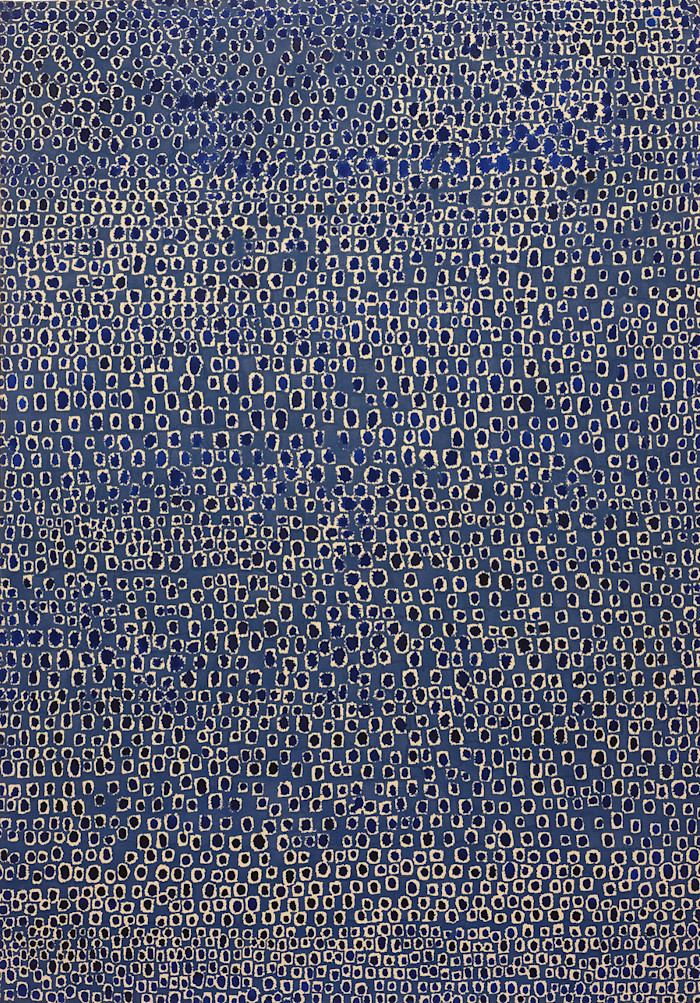
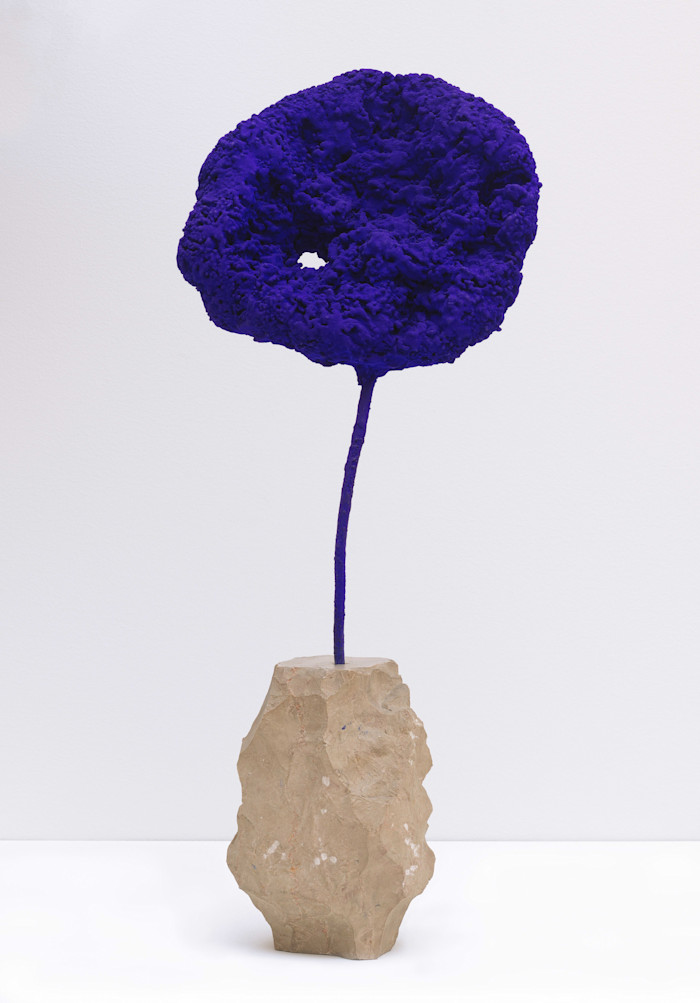
The match-ups certainly highlight the quality of Korea’s artists. In the exhibition’s first room are works by dansaekwa painter Kim Whanki, Yun’s father-in-law and teacher, and whose blue palette came to be known as “Whanki Blue”; these are fittingly paired with Yves Klein’s “Éponge (SE251)” sponge sculpture of 1961. Yun is, unsurprisingly, paired with Mark Rothko, among others.
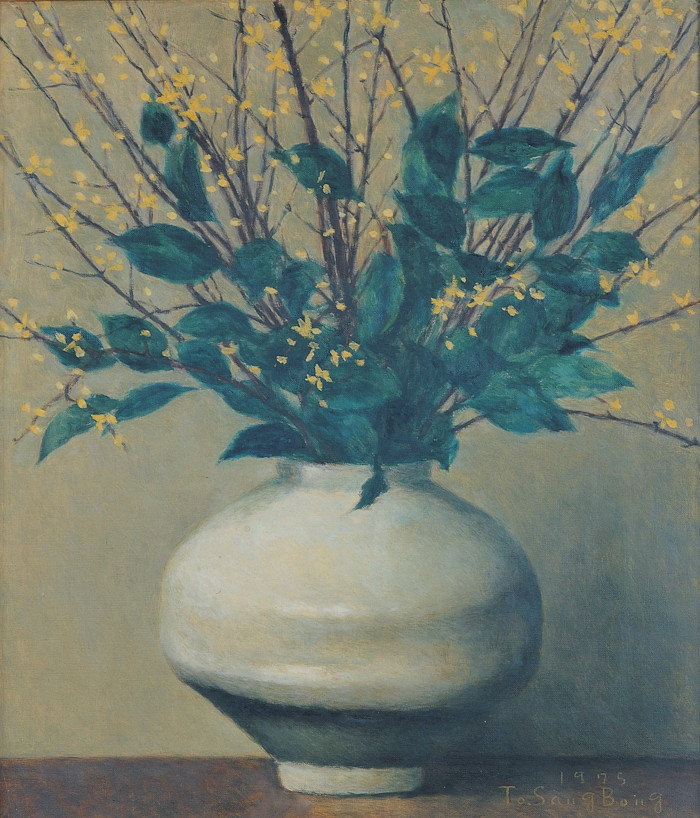
Other compelling pairings include Giorgio Morandi’s cool, minimal “Natura Morta” (1952) from SFMOMA’s collection with Namjoon’s “Forsythia” (1975) by the Korean painter To Sangbong. In each, Kim says, everyday objects are elevated to command more attention.
The San Francisco show comes at a time when Korea’s art — old and new — is taking a starring role on the international stage. The same city’s Asian Art Museum has a coinciding retrospective of Ha Chong-hyun, the 91-year-old artist’s first North American survey, while younger artists Anicka Yi and Mire Lee have both been displayed in Tate Modern’s vast Turbine Hall since 2021. Tate Modern also recently had a solo show of the Korean installation artist Do Ho Suh.
Last week, London’s British Museum opened its Korea exhibition, drawing on the collection bequeathed to the nation by the late Samsung chair Lee Kun-hee, and with works that span more than 2,000 years, including 23 of the country’s Treasures and National Treasures. This exhibition also boasts a star from Korea’s entertainment industry in tow — the Golden Globe nominee Lee Byung-hun, whose credits include Squid Game and the film KPop Demon Hunters, and whom the museum has appointed as its first “exhibition ambassador”.
For Yoojin Kwak Choi, project curator of the British Museum show, the aesthetics of Korean art lend themselves to resonate globally, “particularly those from the Joseon dynasty [1392-1897] where modesty and frugality were really important and shaped how ceramics were produced . . . This marries super well with contemporary and modern minimalist aesthetics.”
More recently, she finds, the appeal of Korea’s culture is the “unfiltered and amplified emotion that is present in a lot of [its] drama, film and music, and combined with an absorption and transformation of different global influences.” The result, she says, is that Korean art forms “have this super-polished look, whether slick music videos that combine dance and visuals or using the latest tech or latest ingredient formulas in K-beauty.” The “distinct aesthetic resonates with global audiences as fresh and new, and really draws in the younger generations,” she says.
She identifies 35 years of the Korean Wave, or hallyu, so far. Government support, including direct sponsorship and a department dedicated to the soft power of popular culture, has proved highly effective during this time. The latest surge, Kwak Choi says, has been punctuated by the reforming of BTS, whose seven members are back together after undertaking Korea’s mandatory 18 months of military service.
The art market too has had waves, peaking in 2022 with sales of KRW806bn ($600mn), up more than 100 per cent since 2016, according to data from Korea’s Ministry of Culture, Sport and Tourism and Korea Arts Management Service. Totals have since fallen to nearer $500mn, but for Frieze’s Lee, who oversaw the fair’s fifth edition in Seoul last month, current appetite is more rooted and has lost its previous speculative tendencies. “Korean art isn’t ‘hot’, it has been here a long time, but more people are being exposed to it,” he says.
The San Francisco exhibition plays it cool in its final rooms, which are dominated by the muted minimalism of Yun and a reminder of what Namjoon describes as the “rage and grace” of an artist who lived through Korea’s devastating 20th century. The potential pizzazz of a global superstar takes a back seat as his wide-ranging collection displays the mind of someone who is aware of his place in the scheme of things. As he puts it, “I’m still young. I don’t know a thing about life. I’m just figuring it out.”
To February 7, sfmoma.org