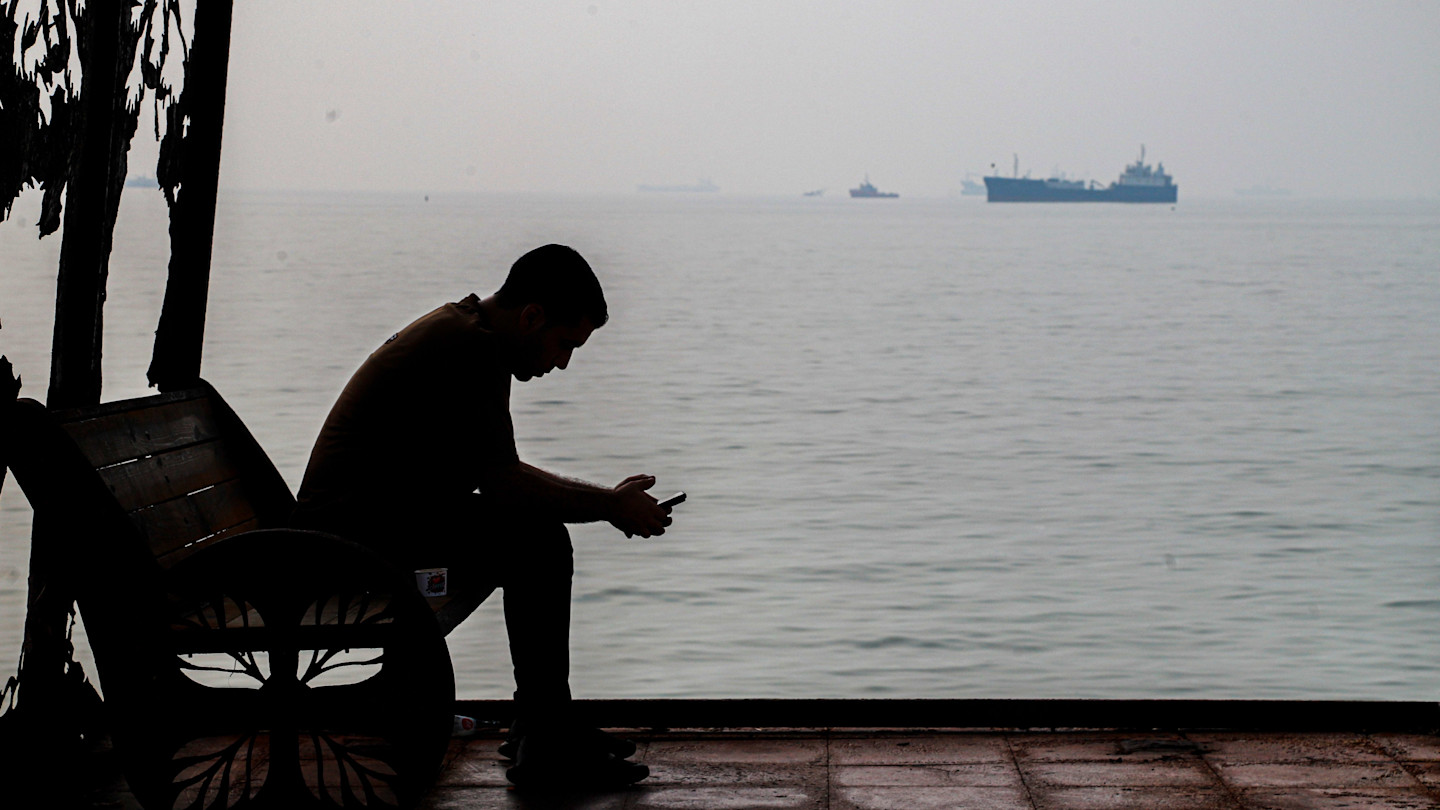
Oil tanker captains in the Gulf are being paid rates equivalent to $100,000 a month for travelling through the Strait of Hormuz, along with a $50,000 bonus for each trip, as Iran steps up its assaults on vessels.
Shipowners were offering the bumper “danger money” to persuade seafarers to stay on vessels as Gulf countries try to keep crude flowing through the crucial strait, according to three people close to tanker owners and crew.
Regular sailors, whose normal monthly salaries can start as low as $1,500, and their captains, whose regular pay is about $15,000 a month, receive double pay while they are in the southern Red Sea and Gulf of Oman.
But their pay is increased further during each Hormuz transit, with ordinary sailors receiving at least four to six times their normal rates.
Because most trips through the strait are made by dedicated tankers on regular “shuttle runs”, sailors can earn the higher rates for months at a time — while enduring the constant risk of Iranian missile and drone attacks.
Among seafarers, those braving the voyage are “almost being viewed as mercenaries”, said one of the people, reflecting the danger of sailing through the strait. Ships braving the waterway are facing one of the heaviest periods of assaults since the US and Israeli attacks on Iran triggered the war in February.
Some content could not load. Check your internet connection or browser settings.
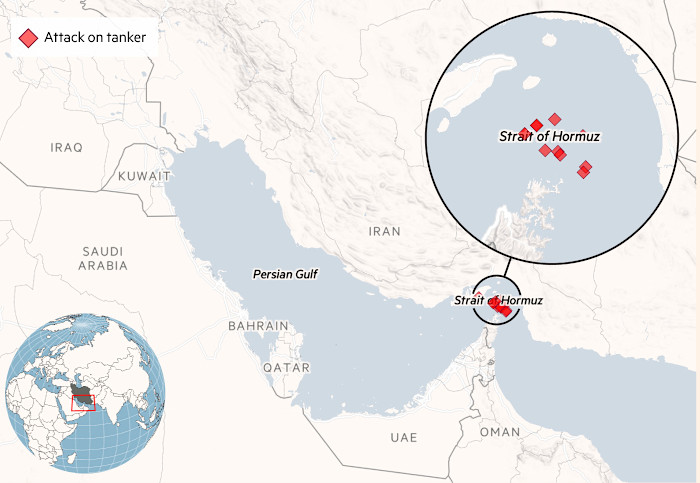
At least 14 attacks have taken place since September 20, according to maritime security company Vanguard, including four vessels struck since Saturday.
But high prices paid for crude that makes it out of the strait, and the risks associated with being unable to ship oil produced in the Gulf, mean that producers in the region are prepared to pay elevated rates for transit.
Freight rates for cargoes being carried through the contested waterway have reached a record of $1.3mn per day this week, compared with about $20,000 to $50,000 per day last year.
Sailing into the Gulf, loading and coming out again typically takes around four days. Only a handful of ships are willing to make the voyage, shuttling oil in and out to other tankers waiting off Fujairah in the Gulf of Oman, which take it on to its final destination.
A typical supertanker carries around 2mn barrels of oil and sails with a crew of up to 35 seafarers, headed by a captain, also known as a master.
Manoj Yadav, secretary-general of the Forward Seamen’s Union of India, said that owners were either offering huge pay packets to seafarers or, in some cases, pressuring unwilling crew to sail through by saying they would be replaced if they refused, with the cost of repatriation taken from their wages.
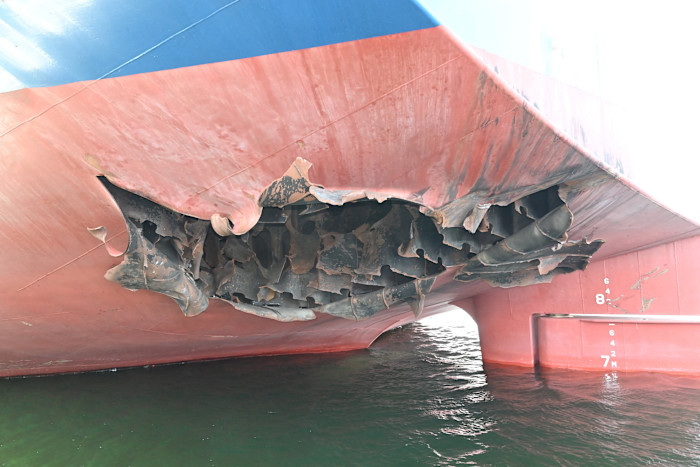
Overall, at least 93 ships have been hit since February 28 and 24 sailors have been killed, according to the International Maritime Organization.
“The reality is that these ships and our seafarers are targets . . . It’s shameful but it is also a new reality and it is making the lives of those we rely on very, very difficult,” Scott Bergeron, executive director of cargo shipping company Oldendorff Carriers, told a UK shipping conference on Tuesday.
Most ships are travelling through Hormuz at night with their GPS signalling equipment off. The US Navy has deployed defensive air capabilities to cover ships sailing through the strait via a route close to the Omani coast.
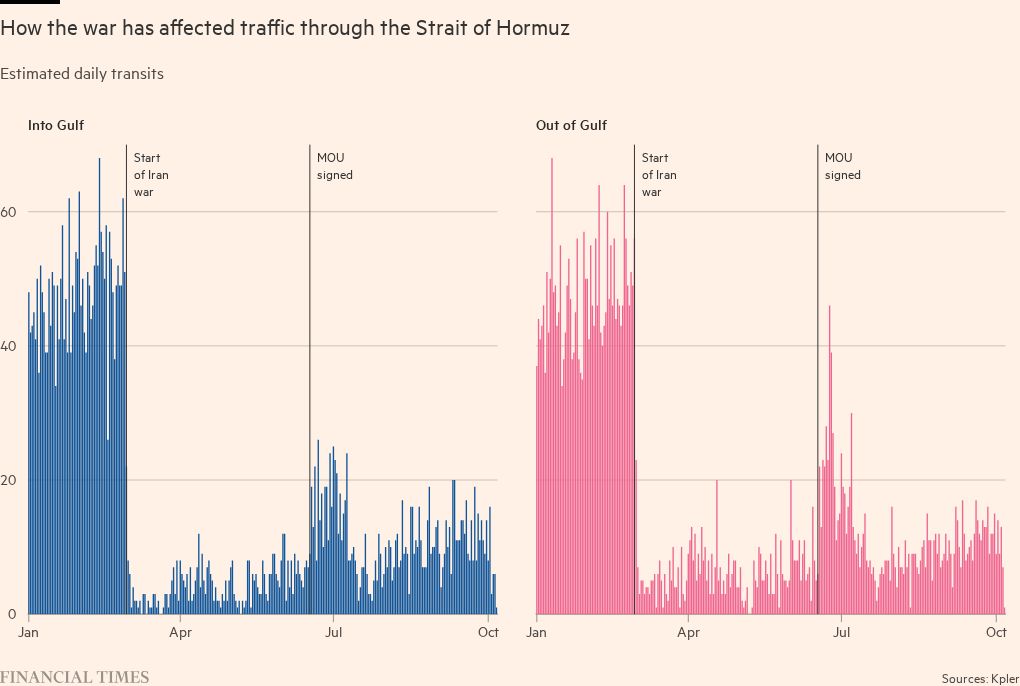
Maritime analyst Windward estimated that 13 vessels travelled through the strait on October 4, down from 24 on the same day last week following the increased strikes.
Windward figures show that around 2 per cent of ships that sailed through Hormuz in the third quarter were hit.
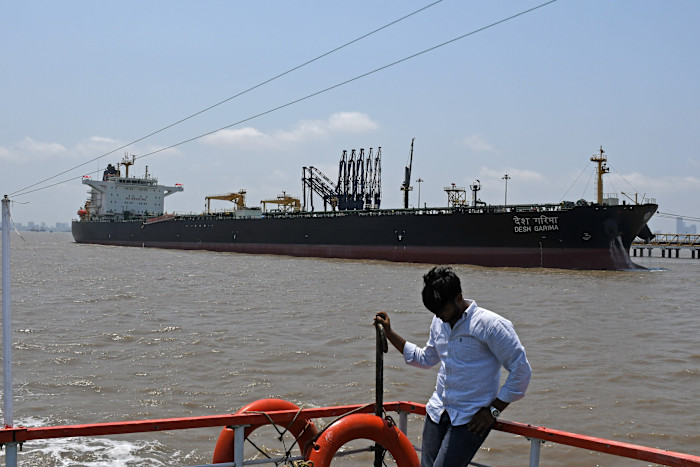
Before the conflict, about 135 vessels sailed through the strait each day carrying around a fifth of the world’s supply of oil and liquefied natural gas.
The increase in attacks in the last week followed reports that overall oil flows from the Gulf had returned close to pre-conflict levels, according to commodities platform Kpler.
Oil flows through Hormuz itself, however, remain around a third below prewar levels, Kpler said on Tuesday. Some previous flows have been shifted to other routes, such as pipelines.
On top of crew costs, tanker owners are paying war-risk insurance of between 6 and 10 per cent of the value of the ship’s hull — the typical measure of insurance costs — to operate in the region, according to insurance brokers.
This means a supertanker could pay up to $20mn in war insurance for the voyage into the Gulf.
Ship fuel prices also reached fresh highs last week, tracking market concerns about future supplies, according to price-reporting agency Argus.
The price of the fuel oil typically used by supertankers in Fujairah, the nearest refuelling port to the Gulf, was $686 per tonne on Monday, up 67 per cent from the same time last year, adding to the cost of the voyage.
Most seafarers come from poorer communities in countries such as the Philippines, India and Indonesia, as well as Russia, Ukraine and eastern Europe. They are typically drawn to the challenging profession by wages that are already far higher than those they could earn at home.
“Seafarers are losing from everywhere. If they won’t agree, they may lose their job. If they agree, they may lose their life,” Yadav said.
Companies sending ships through the strait include the South Korean company Sinokor and Greek company Dynacom, as well as Middle Eastern state companies including Abu Dhabi’s state-owned oil and gas company Adnoc, which has its own shipping division and Kuwait Oil Tanker Company.