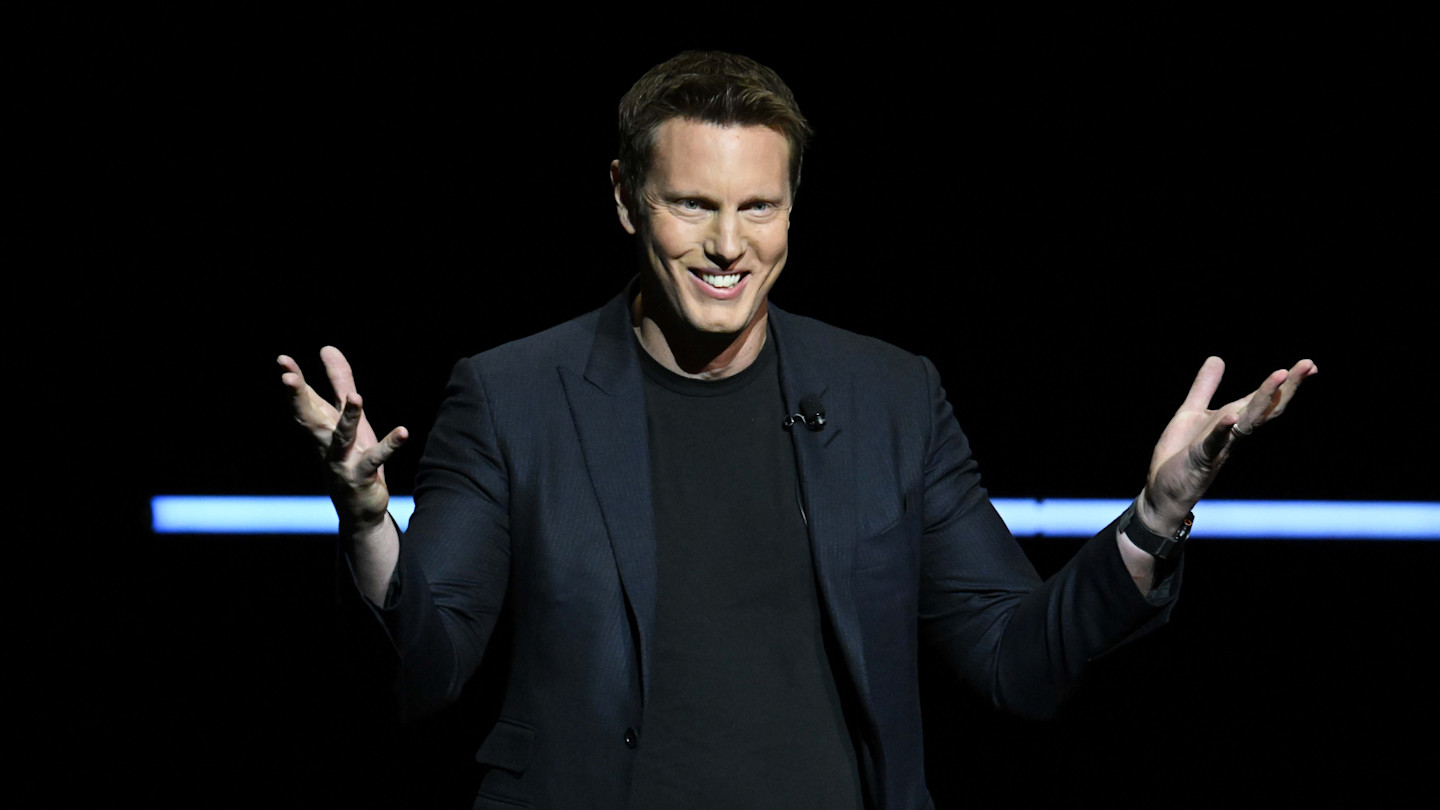
David Ellison has finally sealed his $111bn deal to combine Paramount Skydance and Warner Bros Discovery into a Hollywood titan. But the newly minted media mogul now faces another challenge: running it.
Paramount Skydance’s purchase of Warner Bros Discovery will hand the 43-year-old control of assets stretching from HBO and Warner Bros to CNN, CBS and Paramount Pictures — placing the son of Oracle billionaire Larry Ellison at the intersection of US entertainment, news and politics.
David Ellison’s vast new empire, combined with his father’s strong ties to the Trump administration and Oracle’s backing of TikTok US, underscores how the Ellisons now wield influence spanning from Hollywood to Washington.
Jon Miller, a veteran media executive and former lieutenant to Rupert Murdoch, said the Ellisons had amassed more power than even his boss once possessed.
“They’ve assembled more touchpoints in more ways than anybody has before,” said Miller, now CEO of Integrated Media. “Rupert had it with print and television, and now this company has it in all things digital.”
But the task at hand is great: Skydance — the new name of the combined business — has to service a towering debt pile while combining a disparate group of cable television networks, streaming services and production teams.

David Ellison’s arrival follows a contentious takeover battle, which led to him gatecrashing Netflix’s agreement to buy WBD. Ellison acknowledged on Tuesday that the fight had been “downright ugly” at times.
“We didn’t do this deal simply to get bigger,” he told employees in a town hall on Tuesday. “This industry needs another company with the scale, resources, technology and creative firepower to go toe-to-toe with the biggest players in the world.”
The deal prompted months of resistance from journalists, unions and politicians, as well as high-profile actors such as Mark Ruffalo. Some warned that the Ellison family’s ties to Donald Trump could threaten CNN’s independence.
Those concerns were only amplified by the president’s repeated remarks that the news network would change under its new owners, whom he referred to as “friends of mine”.
Ellison told journalists gathered at Paramount’s production facility on Tuesday that the company had “a good relationship with this administration”, adding that “when you’re operating within a business-friendly administration, you should always have those relationships”.
“We were in a transaction review process,” he said when asked if Paramount had been politicised under his stewardship. “But with that said, we are now turning that page, we are operating, we’re moving forward.”
Some of Ellison’s first moves at the helm of the new business suggest a similar strategic approach.
Ellison has opted to retain Mark Thompson as chief executive of CNN, despite sustained attacks on the network from Trump, who banned it from the White House last month before a court blocked the move.
Two people familiar with the matter said that one consideration in keeping Thompson was the possibility that the Democrats regain power in Washington after the midterm elections.
Ellison last year hired the self-declared “anti-cancel culture” journalist Bari Weiss to run CBS News, and his team believes that keeping Thompson at CNN will help to maintain political balance across the two news organisations, according to one person familiar with their thinking.
Ellison said on Tuesday that CNN and CBS News would remain “completely editorially independent”.
For all the attention on Ellison’s political influence, his most immediate challenge is brutally commercial: the group’s $87bn in debt, including more than $50bn amassed to finance the takeover of WBD.
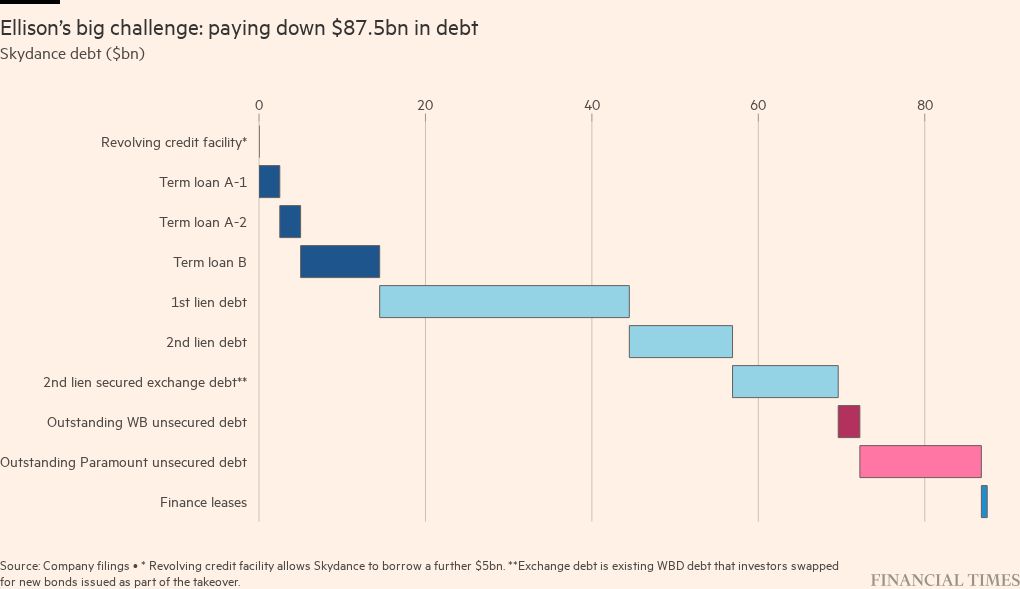
That debt will affect everything that Skydance does in the coming years, from approving new productions to competing for lucrative sports rights, whose costs have hit record levels as groups such as YouTube, Amazon and Apple compete to offer live coverage.

Ellison has promised to find $6bn of cuts to costs, with Skydance executives telling lenders that roughly 30 per cent of those savings, or about $1.8bn, would come within the first year of the deal closing, according to a person familiar with the discussion.
Most of the reduction in spending is expected to be found through lay-offs, consolidating technologies and shrinking the real estate across the two businesses, with management hoping to realise a further $2.4bn of cost savings two years from now.
Blair Effron, co-founder of Centerview Partners and a key adviser to Ellison, told the FT that the CEO had a “credible plan for synergies. It relies on cost cuts but [also] very much on growth, and it is a deeply granular plan.”
“He knows that you want to get the balance sheet into the right shape and grow the business so you are not focused just on the debt,” he added.
One of Skydance’s lenders told the FT that management faced “a lot of heavy lifting” to reach those targets, and that it was imperative that cash continued to pour in from the company’s legacy cable businesses, which face intensifying headwinds as viewers shift to streaming services.
“Is that offset by the growth in HBO Max and streaming?” the lender asked. “It’s the intersection of those two things that will make or break the transaction.”
The pressure to cut costs leaves Ellison with another task: deciding what not to touch.
Hollywood is bracing itself for how he plans to reboot the Warner film studio, which has suffered one of its worst showings at the box office in recent memory this year, with none of its releases ranking in the top 20 gross sales in the North American box office.
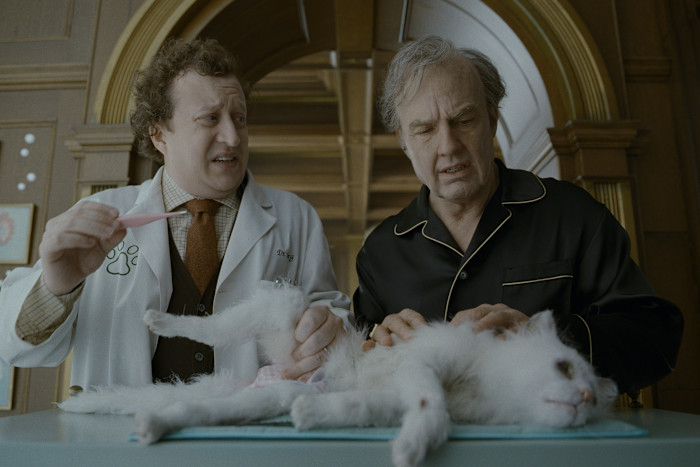
Digger, the Tom Cruise-led dark comedy that was the final movie it released before the Paramount-WBD deal closed on Tuesday, flopped at the box office last weekend.
One senior executive who has worked extensively with the team at Warner said Ellison had shown an unbridled passion for the film business and has signalled that he will spend a significant portion of his time focused on Skydance’s creative output.
Ellison studied film and acted in the 2006 movie Flyboys before he turned his attention to producing.
“David has worked his butt off to get this done, but he was at a production company where he made a handful of movies and TV shows a year,” the executive said. “How you figure out how to spend your money next to a Netflix is a huge job. How do you reconcile what you do with these cable assets and pay down the debt? It’s just a lot to wake up and do.”
At HBO, Ellison has preserved a team that remains one of Hollywood’s most reliable producers of critically acclaimed hits. He promoted Casey Bloys, the network’s longtime programming chief, to an expanded role overseeing streaming content across the combined company.
The move puts HBO, rather than Paramount+, at the centre of Ellison’s streaming operation, reflecting the strength of a brand that has produced recent hits including The Pitt and Industry.
Richard Plepler, the former HBO chief who promoted Bloys and worked with him for years, said Bloys had “extraordinary instincts and taste” and is “ the perfect person for this job”.
But even HBO will not be insulated from the financial strains facing the new company. Mike Proulx, an analyst at Forrester, warned that Bloys would be “pressured to find and deliver cost efficiencies that could affect content quality”.
For Miller, Ellison’s success will stem from plotting a strategy that goes beyond addressing Skydance’s huge debt load.
“You don’t want debt to become the thing that defines strategy. And that’s the danger here,” he said.