As happy as I am that Frieze Masters has put together its new section Queering Modernism: Visual Languages of the 20th Century, I wonder if the title is a little redundant. Isn’t modernism, the best of it, always queer? The great modernists, ranging from Duchamp to Paula Rego to David Hammons, say, are what I call manipulators of the status quo — artists who took great joy and inspiration by mirroring and shattering our common assumptions or expectations about race and sex and class. What they and a number of artists achieved by rearranging a world that had arranged for us to be one thing — a man, a woman, a Black man, a white woman, a femme, a butch, a citizen, and so on — was to make visible our rarely explored multiplicity as complex beings.
Queer is such a wonderfully broad word. Webster’s has it that it means “unconventional”, which I consider a badge of honour. To be unconventional generally provokes conversation, certainly among the philistines who ask: why is that person different? Why do they make us feel different?
Not long ago, I sat in New York’s Washington Square Park for some hours, trying to understand a number of photographs that had been taken there by that great modernist Diane Arbus who, in her extraordinary work, posed some of the questions sketched above, while helping me to form questions of my own. I recalled her “Young Couple on a Bench in Washington Square Park” (1965) — an image made in a public space but evocative of so many private concerns, such as the experience of being looked at, and looking at.
After a while, I noticed something funny happening to the view — my view — in the park. The aberrant, or what one would ordinarily take as aberrant, didn’t qualify. The stoners and hustlers and freaked-out college kids had found a home, albeit a temporary one, in a relatively benign public space.
What disturbed this view were other kinds of signifiers — American ideals of prosperity: a rich woman walking beside her nanny as the nanny rolled the heir apparent along. So jarring were their roles that I wanted to shield the nearby, practically nude woman with purple daisies painted on her breasts — dancing to music no one else could hear — from that reality. Because the woman with the daisies was experiencing a freedom in her queerness that allowed for the female body, while the rich matron had a different role to play, one that involved wearing Tory Burch slippers.
As it grew dark, and the guitars and pot came out, and the kids recruiting the Marxists of tomorrow folded up their table and moved on, I still wondered about that woman who “had it all”. I wondered if she walked through the park because it was convenient, or was it a way for her to remember a way she could never be? Life misshapes us all; it’s up to us to determine what to do with those shapes.
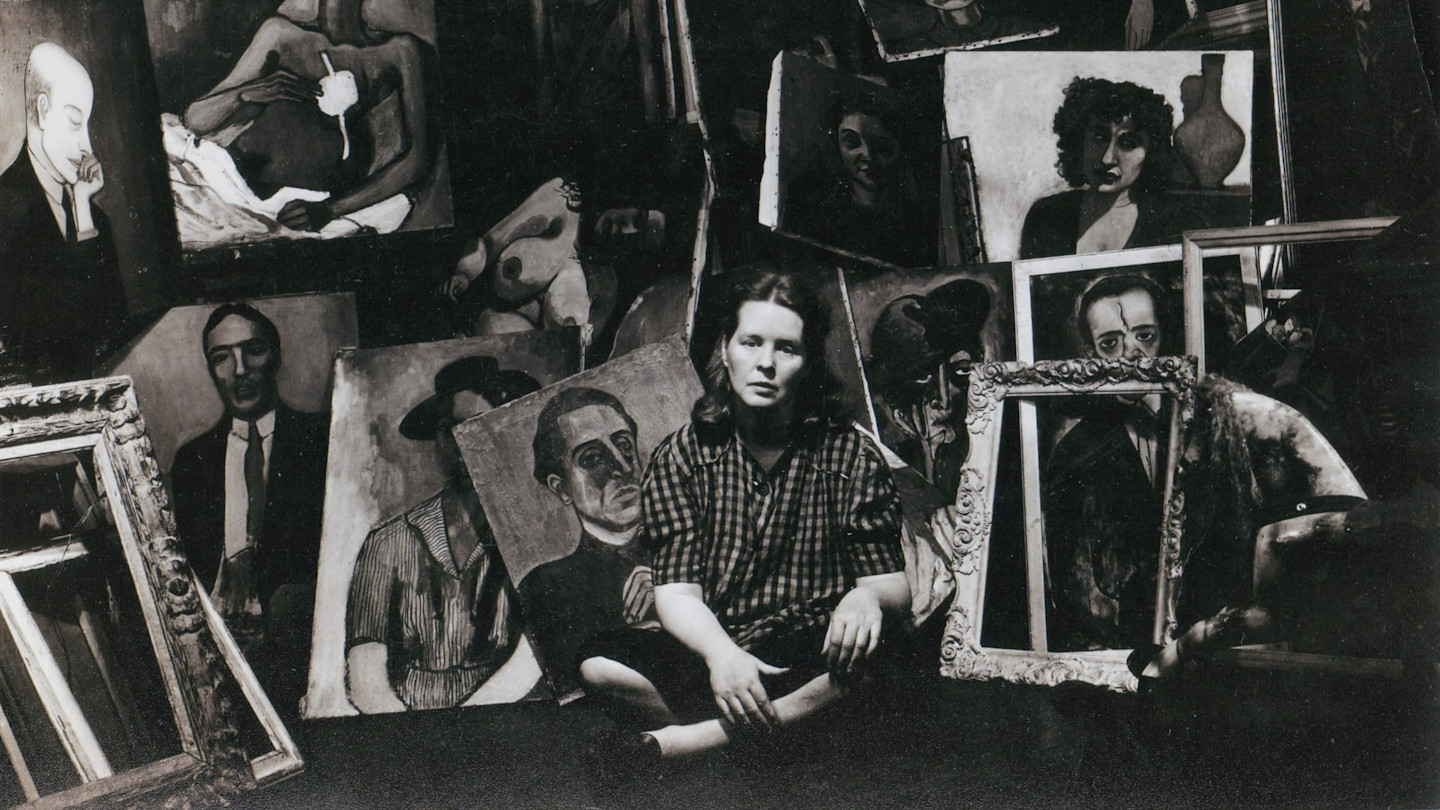
For most of her long life, the painter Alice Neel (1900-84) painted people — shapes — that, for the most part, reflected how queer the world was.
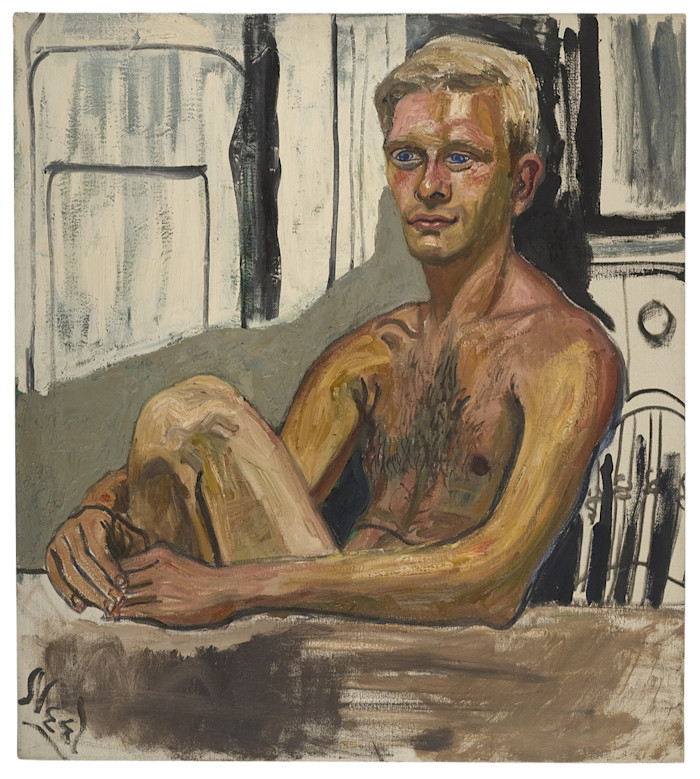
I first discovered Neel’s work as an undergraduate. I was immediately taken by the artist’s attraction to people of colour; for most of her adult life she lived in Spanish Harlem and on Manhattan’s Upper West Side. I knew the people she was painting, the heart she brought to her work and how, in the process, she was queering her own whiteness: nice white ladies didn’t paint Puerto Rican people.
Years passed, and I took the question to David Zwirner, who represents Neel’s estate along with the estimable Victoria Miro. Why hadn’t anyone done a show of Neel’s portraits of people of colour? Some more time passed; David then opened the doors for me to show what I’d always been drawn to in Neel’s work: those men and women who were not defined by capital, but by the exigencies of life, and who lived life because it mattered — to them, to their children, to the world that made them right there in Spanish Harlem.
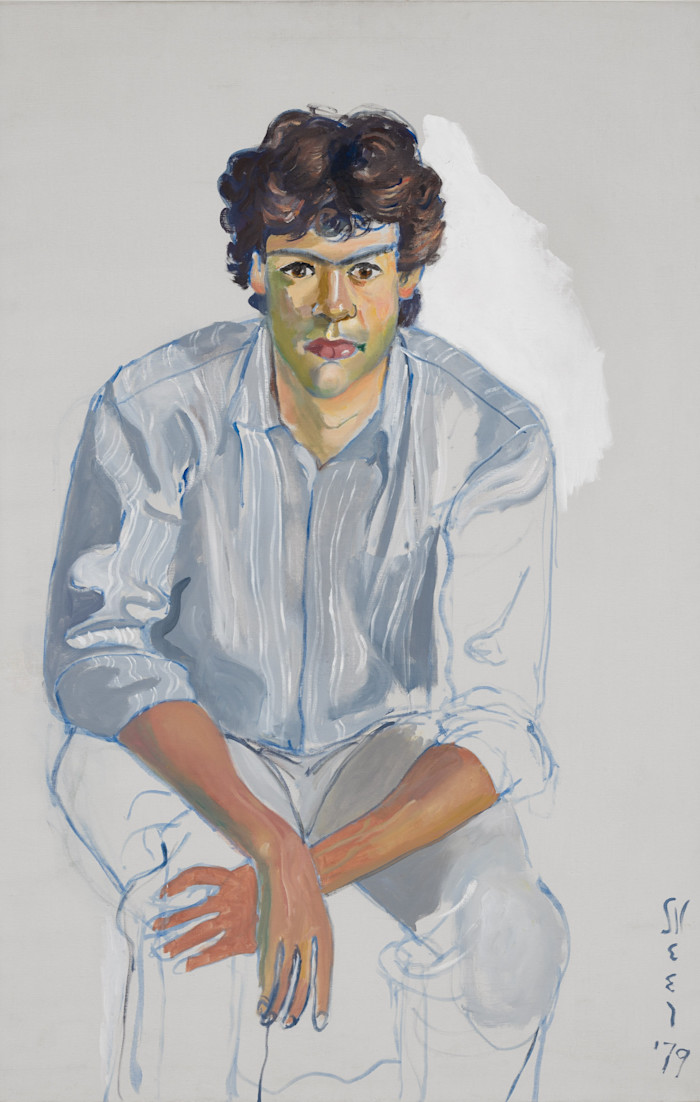
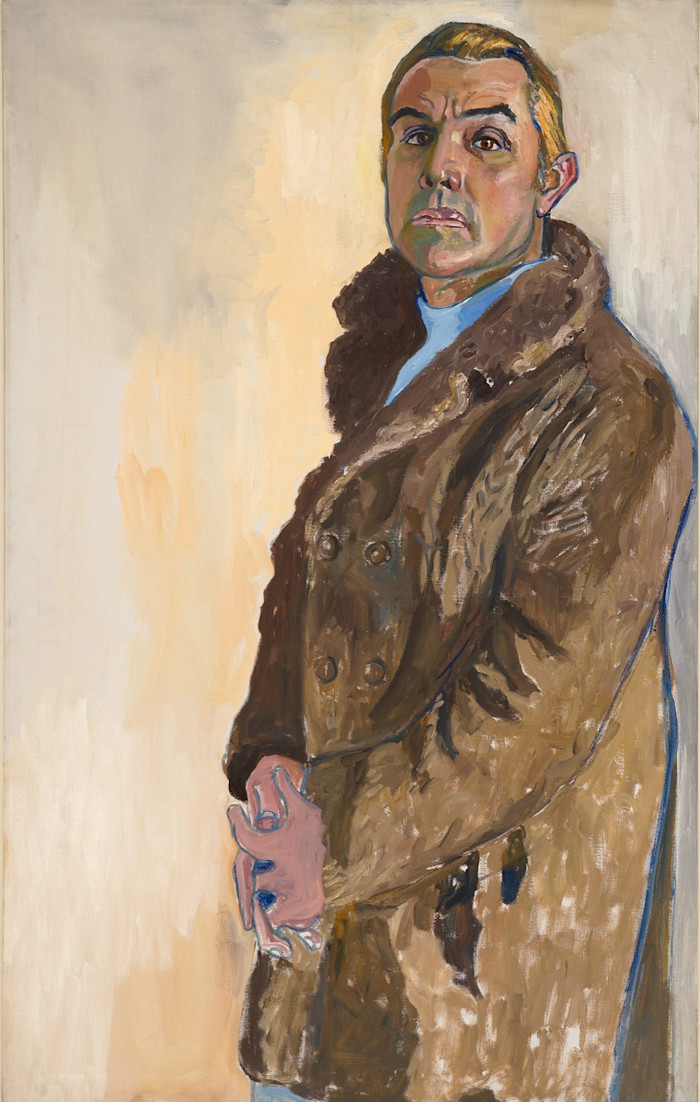
While putting Alice Neel, Uptown together in 2017, I did a lot of research into Neel’s subjects, including the late queer artist Ron Kajiwara. As a matter of fact, it was while looking at Ron that I began to think about Neel’s interest in the queer world itself, and how she embraced the LGBTQ community, not only because a number of the members she painted were visually interesting to her, but because they embodied a feeling of difference in the everyday.
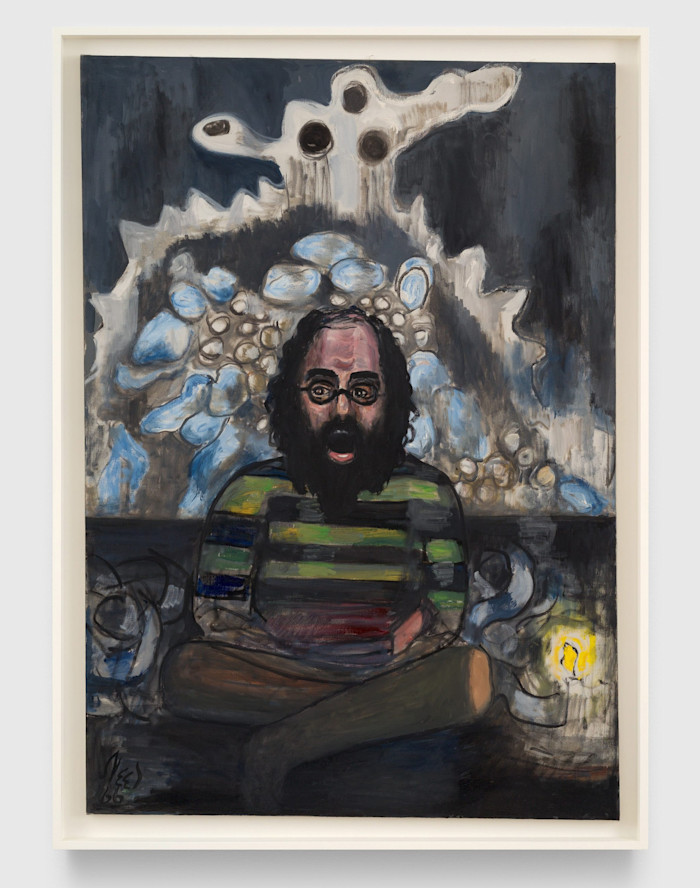
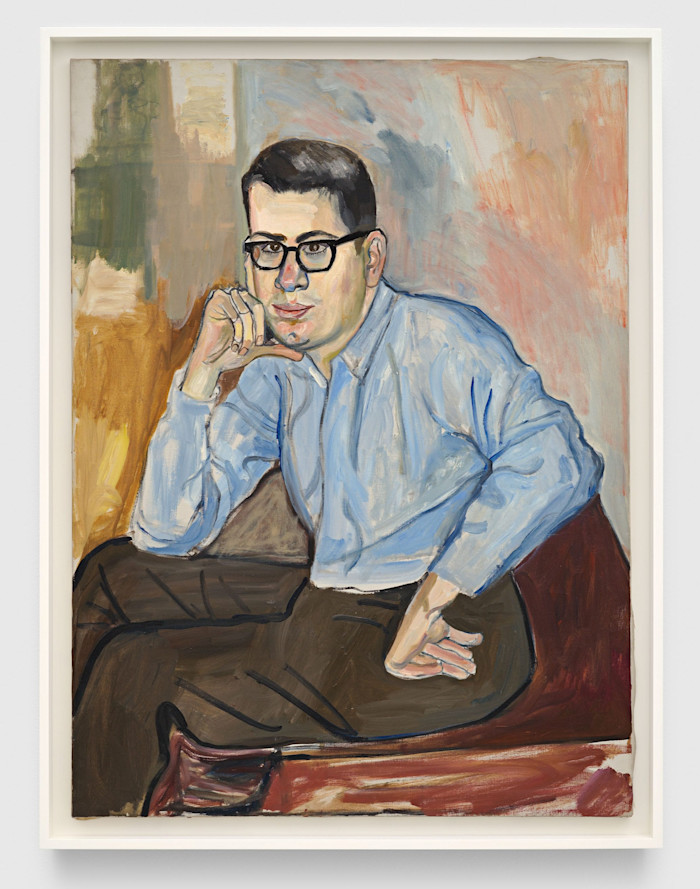
Neel’s queer subjects, ranging from Annie Sprinkle to Jackie Curtis, are filled with a kind of grace that is not sanctimonious and often dipped in irony. As silent as some of Neel’s portraits of queer citizens can seem, they speak. Indeed, Neel’s pictures can sometimes feel like conversations between painter and subject over what a terrible and human desire it is to want to belong. In her remarkable 1982 picture of Sprinkle, Neel lets her energy go full throttle; she’s not a physically limited 82-year-old woman; she’s an available soul reaching, reaching, to understand and depict how queerness speaks for itself. At Home: Alice Neel in the Queer World, my show of Neel’s portraits of queer people, opened at David Zwirner’s space in Los Angeles in 2024, and then travelled to Victoria Miro in London.
Sanctuary is a momentary refuge away from the prying eyes of “normality”, and I’m sure it’s the mother in me who wants that for everyone — time away from the cracked mirror of the universe the better to see oneself. But I don’t want to undermine the toughness of artists like Neel and the stupendous Colombian artist Luis Fernando Zapata (1951-1994), both of whom are shown in Queering Modernism. I want you to see them, to see what they survived in order to make work and how wondrous it is to share a queer self, a human self.
In works like Zapata’s “Sarcofagi No 9” (1992-94) we are looking at a vessel made out of papier-mâché; it’s shaped like a coffin, but to make death an object — that is another definition of modernism: to put death to work. Zapata does just that in “Tombe” (1993) where objects are pressed into paper pulp; they are the ghostly remnants of things people leave behind, just as Zapata left his startling work behind when he died from Aids-related complications aged 43. He still speaks to us.
‘Queering Modernism’ is at Frieze Masters, October 14-18, frieze.com
Find out about our latest stories first — follow FT Weekend on Instagram, Bluesky and X, and sign up to receive the FT Weekend newsletter every Saturday morning