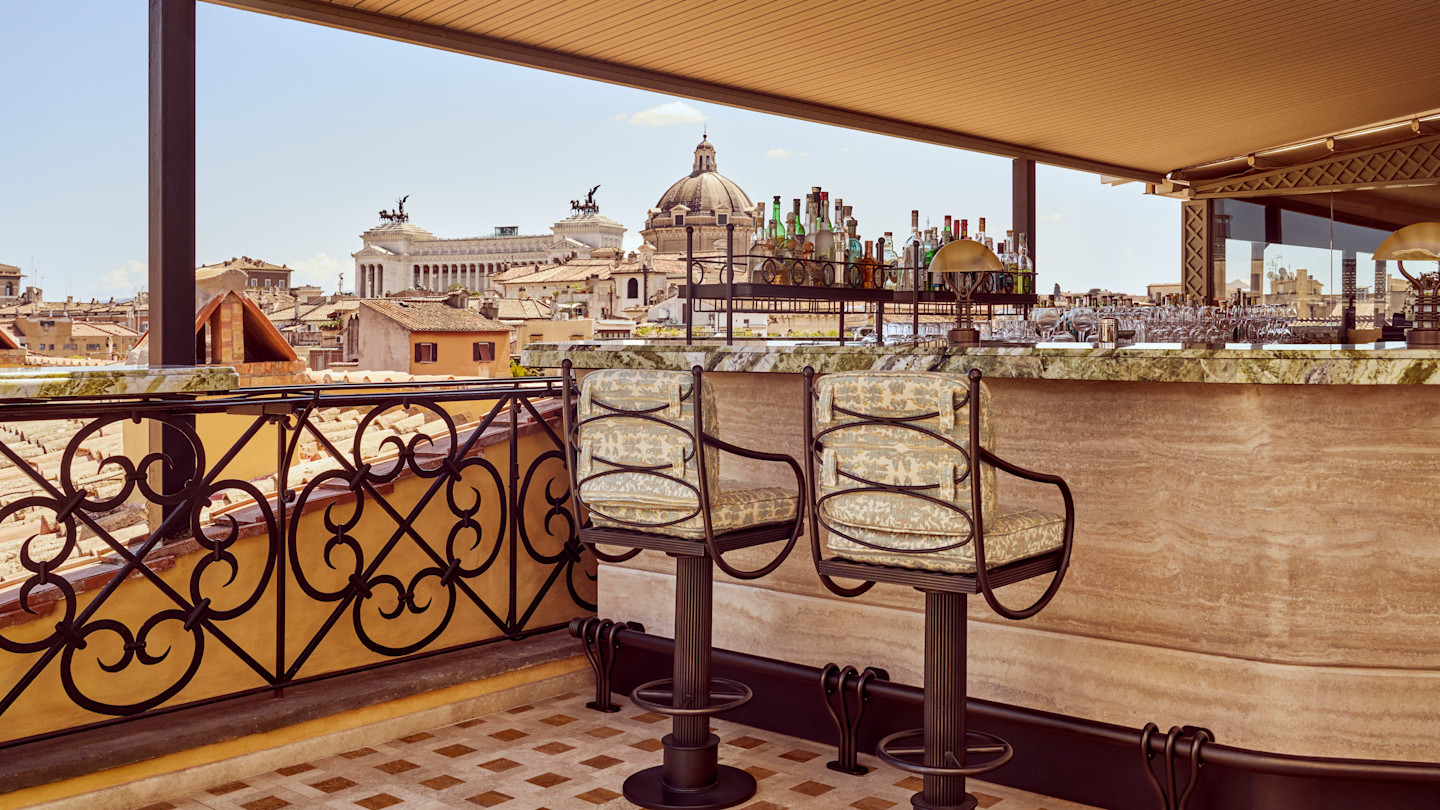
A visit to the Rome home of textile designer and artist Isabella Ducrot, now in her nineties, comes with coffee served from a silver pot and a generous helping of la dolce vita. Climbing to the second floor of her palazzo apartment on Piazza del Collegio Romano, her maid takes my hat, and I step out on to the terrace, its expanse of terracotta tiles and potted shrubs overlooked by the tower of the vast former Jesuit Collegio Romano next door. I glimpse the edge of the Dominican convent — 200 metres away, behind the Pantheon — where Galileo was condemned by the Inquisition in 1633.
Rome has been her home for 60 years. It still surprises and inspires her, she tells me. Recently, her research into the letters of St Paul was interrupted by a sort of epiphany: “I realised he was here — just a few steps away he was imprisoned,” she says, gesturing out over the rooftops in the direction of the Mamertine Prison on the Capitoline Hill.
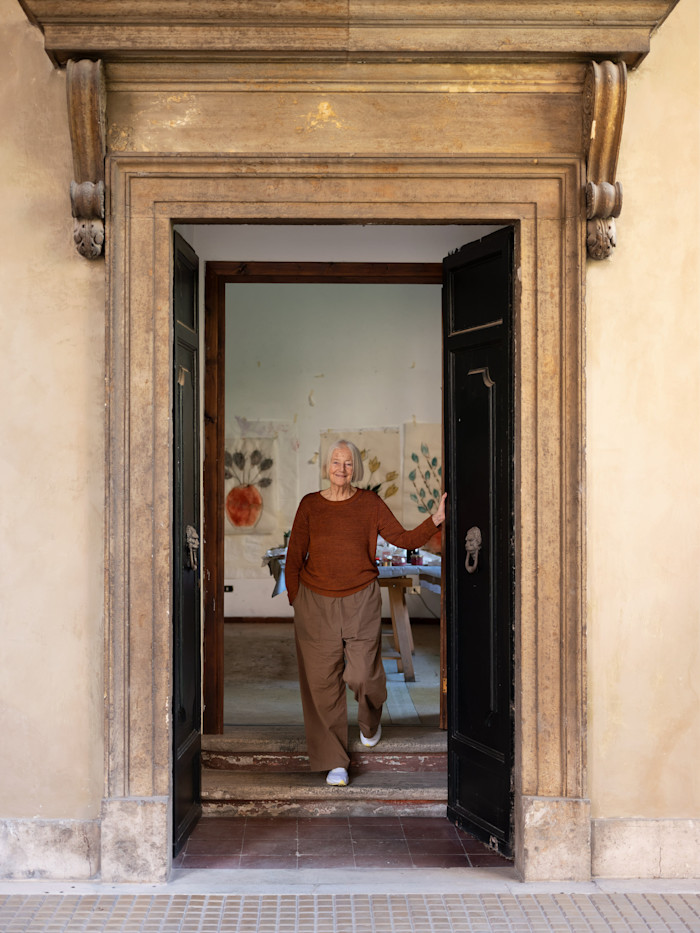
Ducrot, who has an exhibition opening soon at Museo Madre, Naples, draws spiritual and creative inspiration from a city whose antiquity marks every paving stone and street corner. Yet, for some, it has long seemed too stuck in the past. Last year international property investors — both commercial and residential — committed €645mn to Rome, compared with €2.6bn in Milan and almost €10.7bn in London, according to agency JLL.
Agents say wealthy overseas homebuyers have long associated Rome with gridlocked traffic, tourist-choked streets, labyrinthine bureaucracy and a purchase process ensnared by legal uncertainty. Add housing stock dominated by historic apartments — which are beautiful but expensive to modernise and subject to strict heritage controls — and many have simply chosen London or Milan instead. “It was a beautiful city famous for food and energy but it just didn’t work — the types of homes, the services,” says Muhannad Al Salhi, chief executive of Engel & Völkers’ Italy office, who is based in the city.
But this is changing. A €3.7bn programme of public investment ahead of the 2025 Jubilee — the Catholic Holy Year, which drew millions of pilgrims — has catalysed a shift, from easier navigation (take the opening of two new metro stations) to aesthetic and experiential improvements to the public realm (such as the pedestrianisation of Piazza Pia).
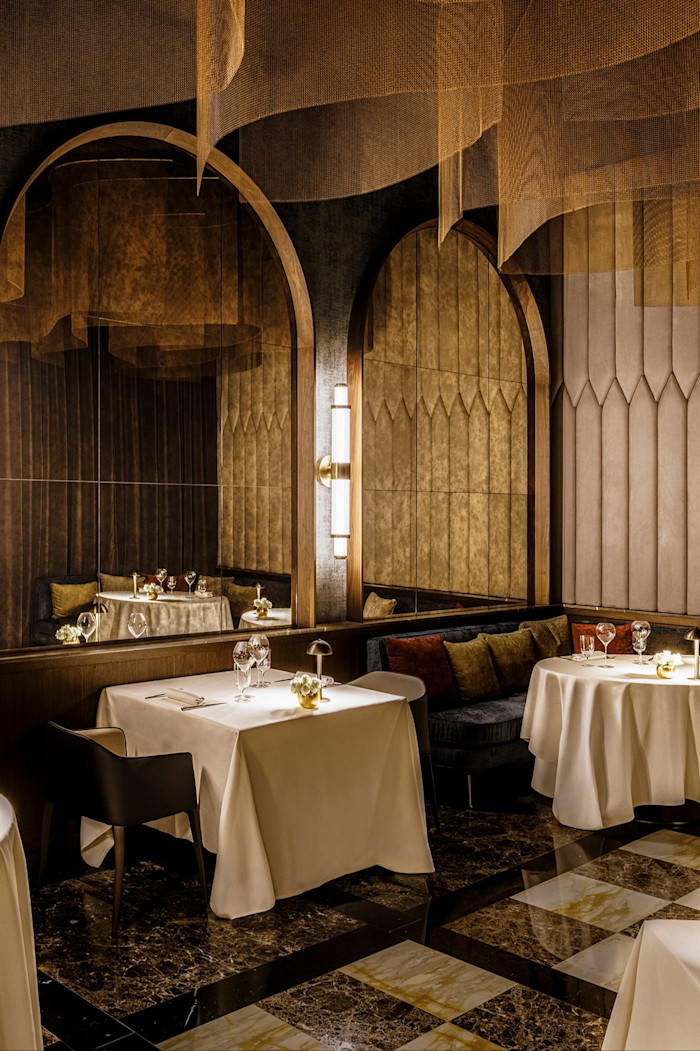
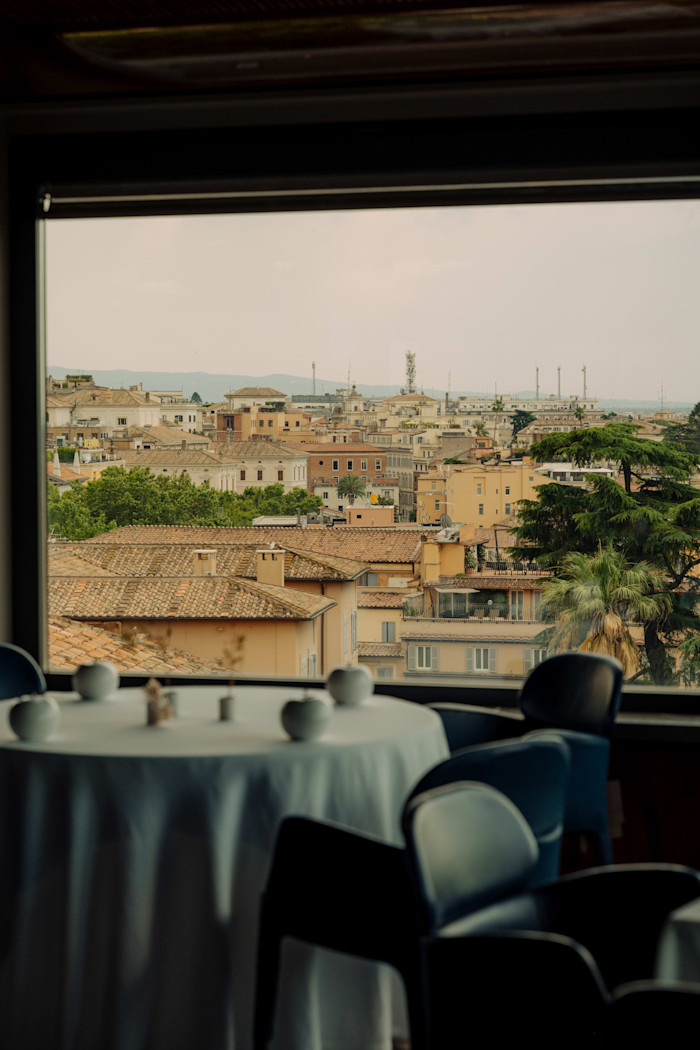
Global luxury hotel brands are growing. Corinthia Rome opened in March in a former Bank of Italy building on Piazza del Parlamento, including Viride, a restaurant run by Carlo Cracco, the multi Michelin-starred chef and former MasterChef Italia judge. It followed launches of Orient Express La Minerva, the brand’s first hotel, and Nobu Hotel Roma last year. Mandarin Oriental and Four Seasons plan openings next year. Rome’s dining scene has earned fresh recognition: La Terrazza at Hotel Eden and INEO gained stars in the 2026 Michelin Guide; the city now boasts 26 Michelin-starred restaurants to Milan’s 20.
The openings testify to the city’s expanding international appeal: Rome’s foreign resident population grew by 13,200 between 2020 and 2025, compared with just 1,670 in the previous five years. International buyers are increasing their share, accounting for 20 per cent of prime sales so far this year, up from 7 per cent in 2019, according to Savills. Next year, Brighton College will add a campus to help meet the increased demand for places at international schools.
“Interest has been particularly strong from buyers in the UK, France and the US over the past year, supported in part by Italy’s flat tax,” says Veronica Sagliaschi, broker manager at Knight Frank’s preferred agency in Rome, ReLiving. Introduced in 2017, the national tax regime, which limits tax on foreign-sourced income for those moving to Italy from abroad (capped currently at €300,000 per year) — was used by 2,500 people by 2025.
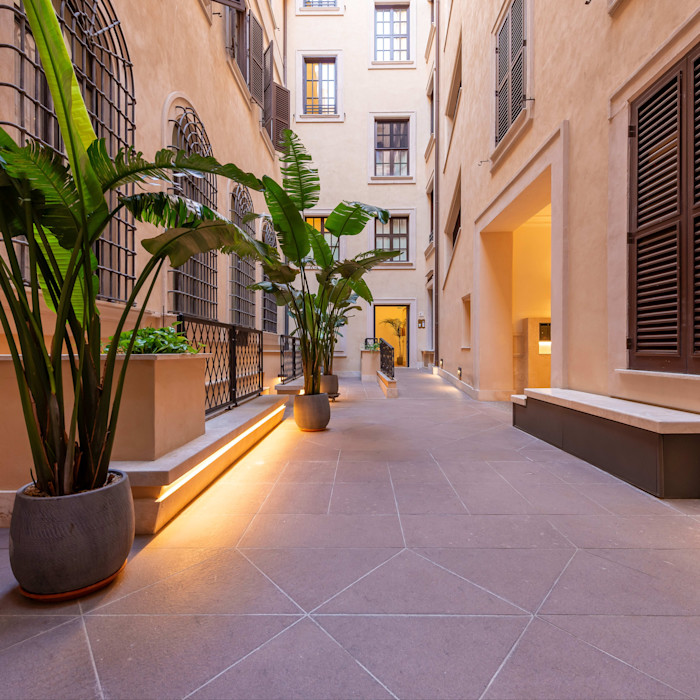
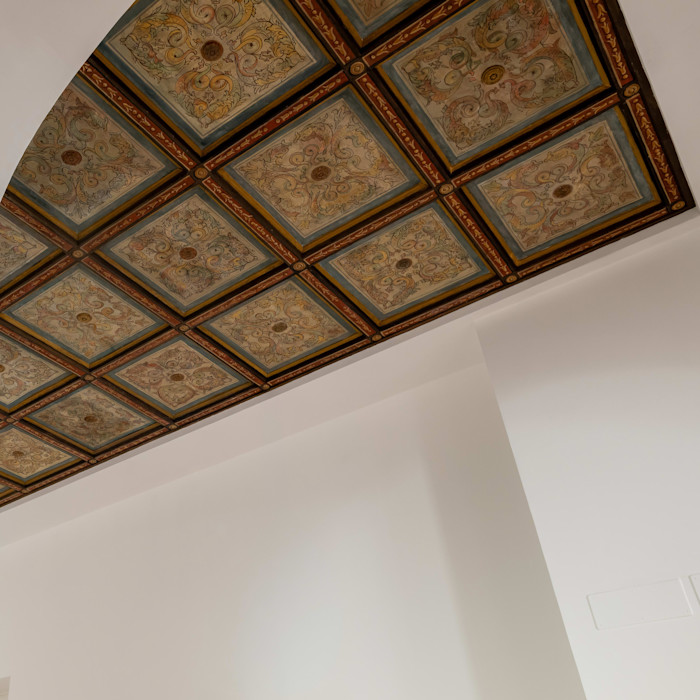
More than half of the clients of Roman buying agent Emma Rossi Bernardi now come from abroad, up from close to zero five years ago, she says. In the past year, following changes to the UK’s non-dom regime, she has added a dozen French financiers and technology executives seeking an alternative to London to her client list. In terms of suitable homes, she points to 2023 as a watershed, with the opening of Palazzo Raggi, the sumptuous renovation of an early 18th-century property close to the Spanish Steps, which joined Monticello, launched a few years earlier — 63 apartments and villas on Via Aurelia, with a concierge, rooftop garden and terraces in sight of St Peter’s Basilica.
“It’s like Miami with a view of the Vatican,” she says of Monticello. “Until recently, we had almost nothing like this to show international buyers.”
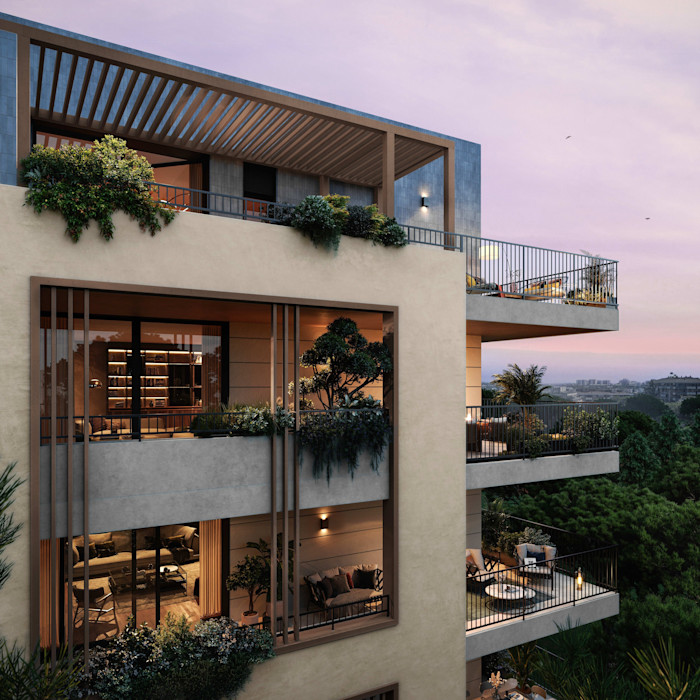
That choice is now expanding with a roll call of new-builds with all the bells and whistles amenities (think gyms, co-working spaces and concierges). Near Tiburtina station is the House of Minerva, a recently launched development of 111 homes, where three-bedroom homes start at €997,000. To the south in EUR, the city’s commercial hub, the 142-home Domus Nova development (or DoNo as it is known), includes two-bedroom penthouses starting from €870,000 and three-bedroom penthouses from €1.2mn. In the city’s west, the first phase of Porta Pamphili comprises 148 homes — its roof garden looks out over the Valle dei Casali nature reserve, a 466-hectare green corridor (roughly 300 further homes are planned in later phases). Next year, a new 100-home development will launch in the city’s northerly Via Cassia district.
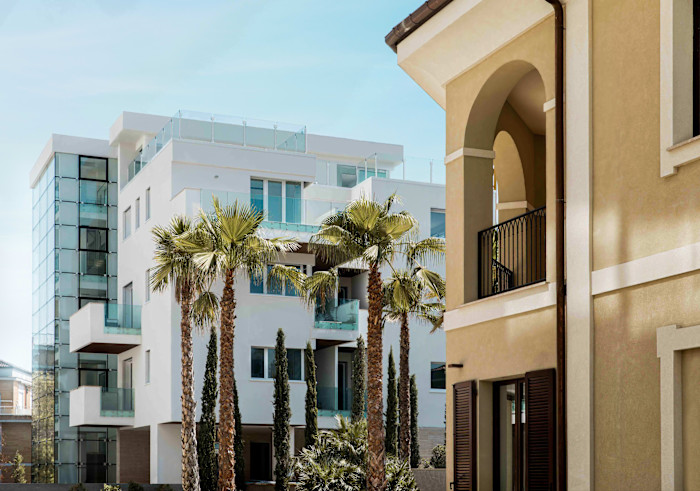
The new launches across Rome mean 4,500 new homes by 2029 — 3,555 of them completed by the end of next year — comfortably exceeding Milan’s total of 3,700, according to Savills. High-value home sales are growing — 430 sold for more than €1mn last year, a number 51 per cent higher than the five-year average, according to Savills.
Can Rome finally start to compete with London, New York and Milan?
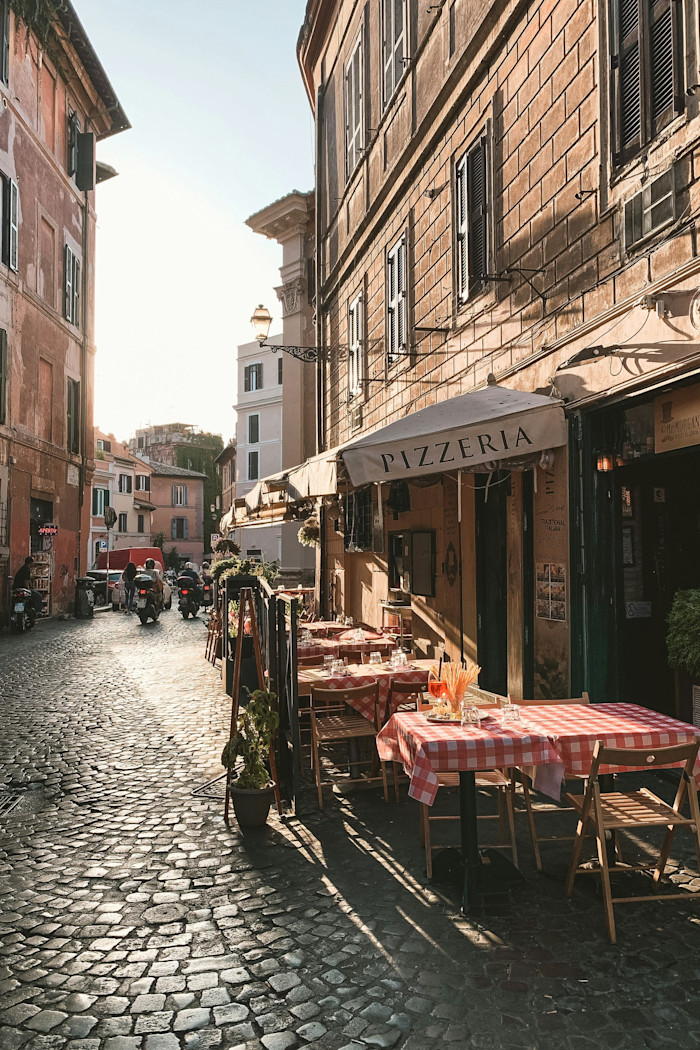
A 25-minute metro ride from the Colosseum, the House of Minerva is in many ways an emblem for the new Rome. It’s in the La Sapienza neighbourhood: young, modern and buzzing. In place of the ochre palazzi and baroque churches of Rome’s centre, modern blocks of flats line the streets around Piazza Bologna. By mid-morning the cafés fill with students from the nearby university. Sunset ushers in lively groups to bars and restaurants, or for a sundowner at Rome’s Soho House, which opened in 2021.
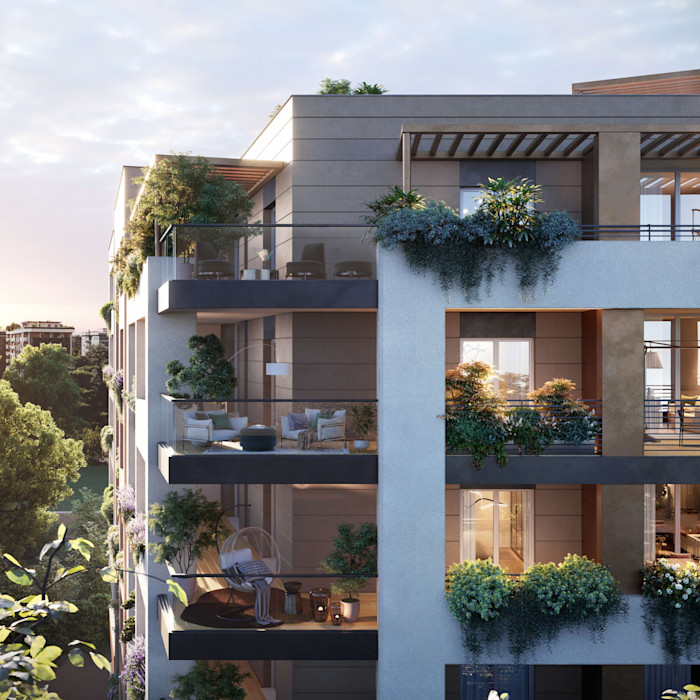
The development feels closer to something you’d find in Madrid or Lisbon. The exterior is a restrained pale facade, with generous terraces and deep loggias; inside, Rome-based designer Frattali offers buyers a choice between minimalist and more richly detailed interiors. The furniture is by one of Italy’s most prestigious design houses, Molteni&C, founded in 1934; timber flooring is Itlas and the tiles Iris Ceramica. Besides the roof terrace and gym, residents have a co-working space — all commonplace features for international residential developments in leading global cities, but hitherto rare in central Rome.
Steve Goldman, 60, is exactly one sort of buyer Rome developers have been trying to attract. After selling an investment management business, he and his wife moved from Sydney with their two teenage daughters in 2022, taking advantage of Italy’s flat-tax regime (“I feel they are paying me to be here compared with Australia,” he jokes).
After four years renting centrally, he wants something off the tourist beat. He has just had an offer accepted on a recently renovated fifth-floor penthouse apartment on the prestigious Via Giulia, the kilometre-long street running parallel to the Tiber, commissioned by Pope Julius II in 1508.
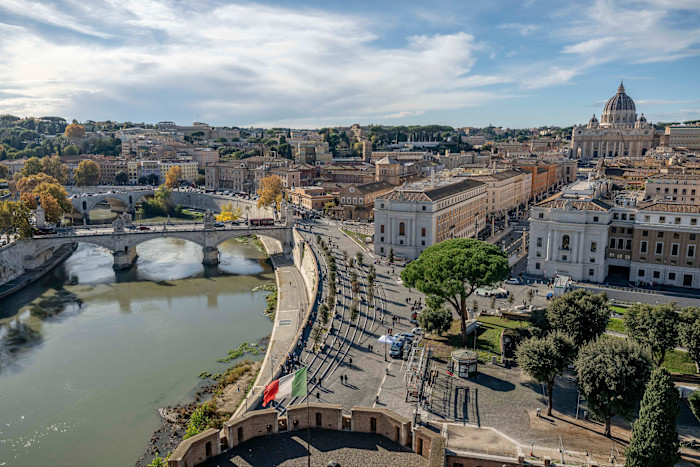
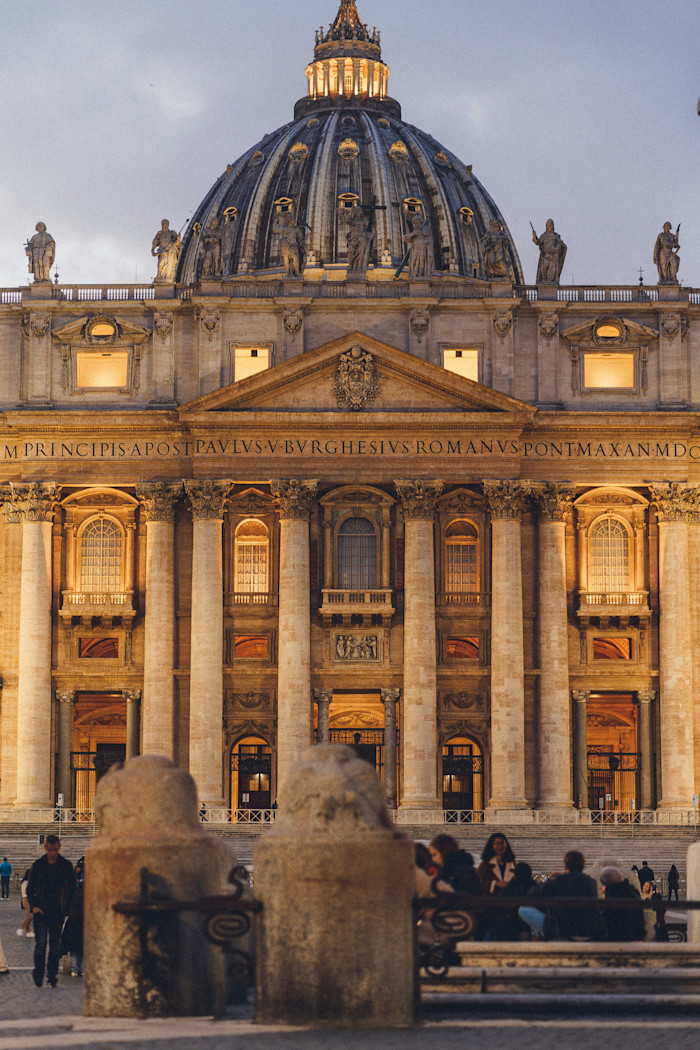
On our way there, we cross the newly pedestrianised Piazza Pia; the traffic now disappears beneath an underpass instead of polluting the view from Castel Sant’Angelo to St Peter’s Basilica. Personally inaugurated by Prime Minister Giorgia Meloni alongside Rome’s mayor, Roberto Gualtieri, the €85mn project was a flagship for what Meloni hailed as the “Jubilee method”: an unusually fast, co-ordinated approach to delivering long-delayed public works in a city better known for bureaucratic inertia. The wider infrastructure programme included transforming the square outside Termini station, pedestrianising much of Piazza Risorgimento near the Vatican and refurbishing the square outside San Giovanni in Laterano. This morning, those enjoying the magnificent vista along Via della Conciliazione to the Vatican are a mix of awestruck tourists and indifferent Romans on their way to work.
“We’re living in a museum, there’s so much to see and do; places are open late and it’s safe; I let my teenage daughter go out alone at night. She was dead set against moving from Sydney; now she loves it,” Goldman says. Buying and owning a home in Rome is far cheaper than Sydney, he notes: purchase taxes — 2 per cent and 9 per cent for respectively first and second homes — are in most cases calculated on a property’s cadastral, or public record, value rather than market value. The former is often only a fraction of the latter, meaning the tax on a €2mn primary home will typically be between €10,000 and €15,000, according to Danilo Orlando, who runs Savills’ Italian residential business from the city.
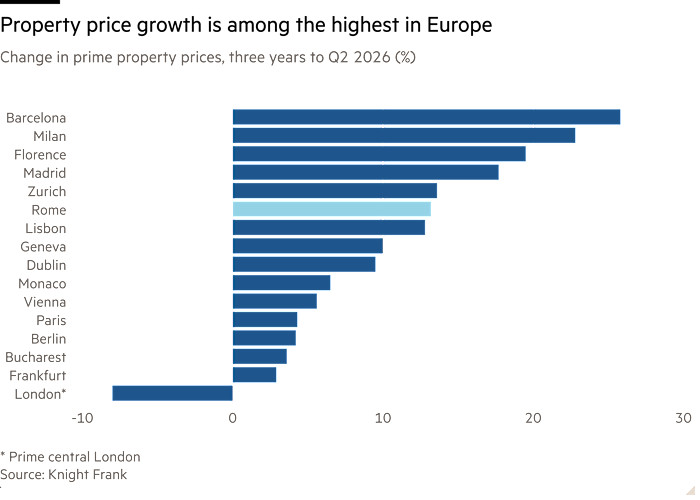
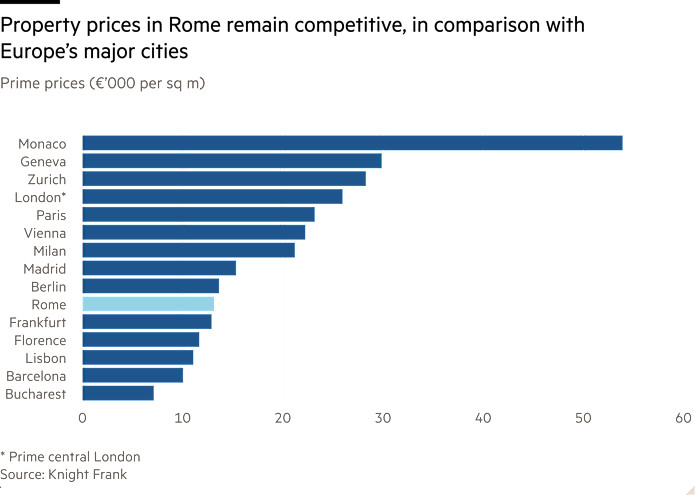
In the past three years, average agreed prime prices increased by 13 per cent — of Europe’s capitals, only Madrid has grown faster, according to Knight Frank. But, at €13,169 per square metre, Rome’s prime homes are still the third cheapest of the group, behind Lisbon and Bucharest. Such economics make an increasingly attractive investment case to international buyers, says Orlando. “Rome is still excellent value compared to other cities in Europe.”
But finding the right home has proved tough for Goldman. Over four years he and his wife viewed between 20 and 30 apartments. Again and again, they rejected them when discrepancies emerged between approved plans and what had actually been built. “There was almost always something, a window, an internal wall — but enough to make us walk away,” he says.
As we retrace our steps back down the Via Giulia, a chain-link fence borders an underground car park where he is considering buying a parking space. “It’s between €500,000 and €600,000,” he says, rolling his eyes. One advertised for €240,000 went viral earlier this year, citing limited spots and rising car ownership numbers.
Goldman arrived with a social network in place: his wife is from Pisa, in Tuscany, has worked in Rome, and has family there. She is also a lawyer and past master at negotiating the Roman administrative system required for car permits, ID cards, utilities and so on. But the day after I meet Goldman, my visit to the American Overseas School of Rome (whose families offer perhaps the clearest barometer of international relocation to the city) reveals that those arriving without such insider benefits face stiff challenges.
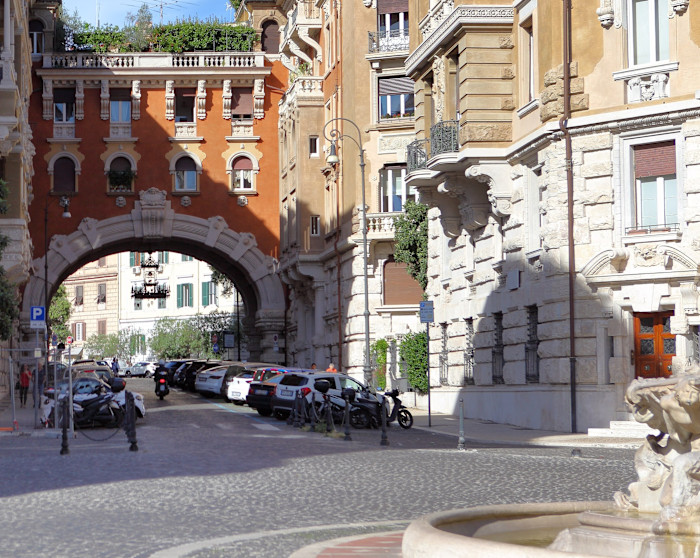
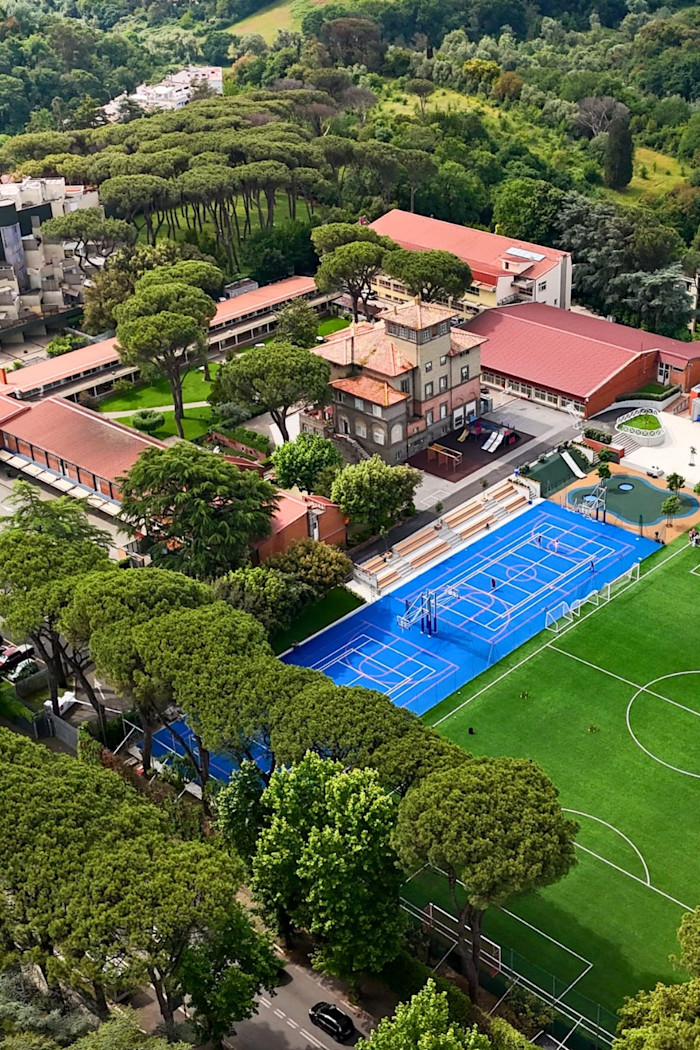
Eighty years ago, much of this northern district of Parioli was countryside; the school’s central building, which predates the school, is an imposing concrete Fascist-era villa. Today, the area houses embassies and most of Rome’s international schools. It is among Rome’s most desirable residential districts, with large modern detached homes. Besides those working in the commercial hub of EUR, diplomats or government-related workers form most of the school’s parents, says Sabine Neumann, head of admissions. Seventy per cent are expats.
Neumann spends much of her time helping parents run the administrative gauntlet of relocation to Rome. Sometimes, they withdraw their children before they even begin because visas are denied, or the logistics prove overwhelming, she says. “I’ve had one parent in tears on the phone several times this week.”
House & Home Unlocked
Don’t miss our weekly newsletter, an inspiring, informative edit of the news and trends in global property, interiors, architecture and gardens. Sign up here.
The challenge is social as well as bureaucratic. Neumann, who lived in London, New York, Frankfurt, Munich and Paris before moving to the city with young children, says the city is unusually difficult to crack. Friendships and professional networks often stretch back generations; family ties remain unusually strong. “Roman society is provincial and extremely conservative — this is the home of the Vatican, after all. School is the social life for most of our parents,” she says.
This impression is strengthened by a visit to the Ripetta clubhouse of the Reale Circolo Canottieri Tevere Remo (Royal Tevere Rowing Club), one of Rome’s oldest and most prestigious private clubs. Its membership for sport and socialising has long drawn from the capital’s political, business and aristocratic elite; it does not admit women. “I keep fearing I’ll get a call from the minister of sport asking me to explain,” says President Andrea Granzotto, clearly a little embarrassed at the fact, after welcoming me into the club’s imposing wood-panelled drawing room.
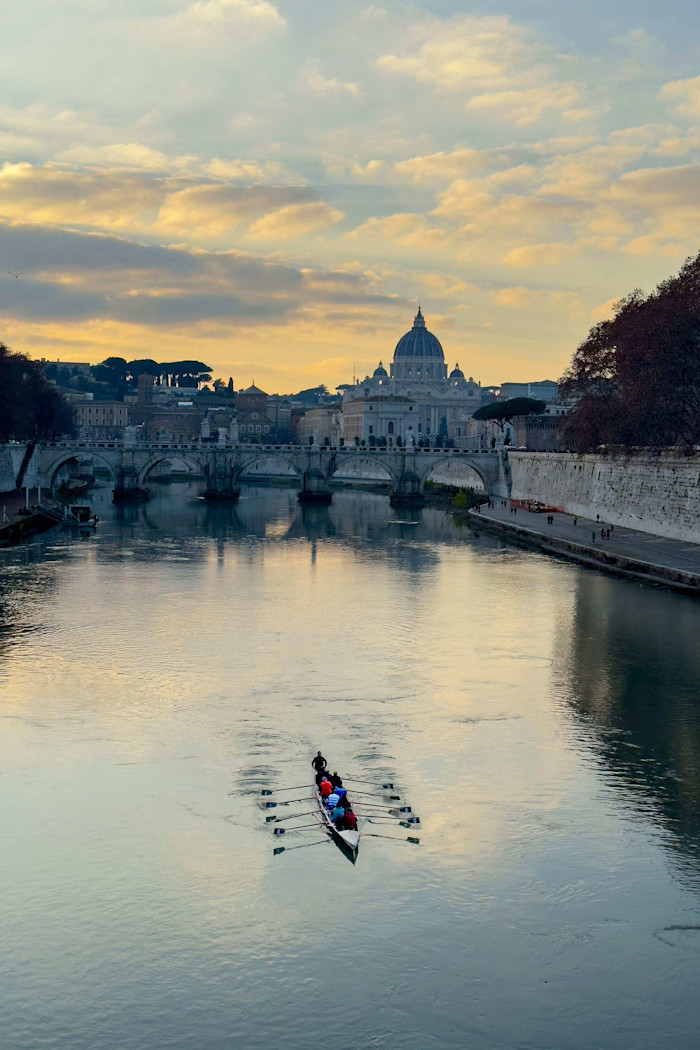
There is no reason that Rome’s expat residents should not join — the club has reciprocal arrangements with several clubs around the world — but virtually none have. Granzotto explains that Rome’s social life is particular and tightly focused by neighbourhood: “Parioli, Cassia and Nomentano” — in many cases he can tell where people live from their idioms and clothes. “It’s true, it’s not easy for people from abroad to enter into Roman society,” he says.
Back in Ducrot’s apartment, I duck back on to the terrace for a final glimpse of the view. Her two sons have remained in the city — glued, like her, to its history and culture — one, a sculptor, the other, owner of a luxury travel business who has an apartment beneath Ducrot’s, is busy uncovering the remains of a Minoan temple beneath a nearby building he bought in 2017.
Today, the city may be easier to navigate, with newer homes and better services, and a smoother proposition for international buyers than even five years ago. But surrounded by the splendour of Ducrot’s apartment, to me it is clear its appeal will never be about convenience. “There has always been the cinema, the theatre, the intellectual life,” she explains. “But it is deeper — the understanding the city gives through its history. Here, everything happened.”
Find out about our latest stories first — follow @ft_houseandhome on Instagram