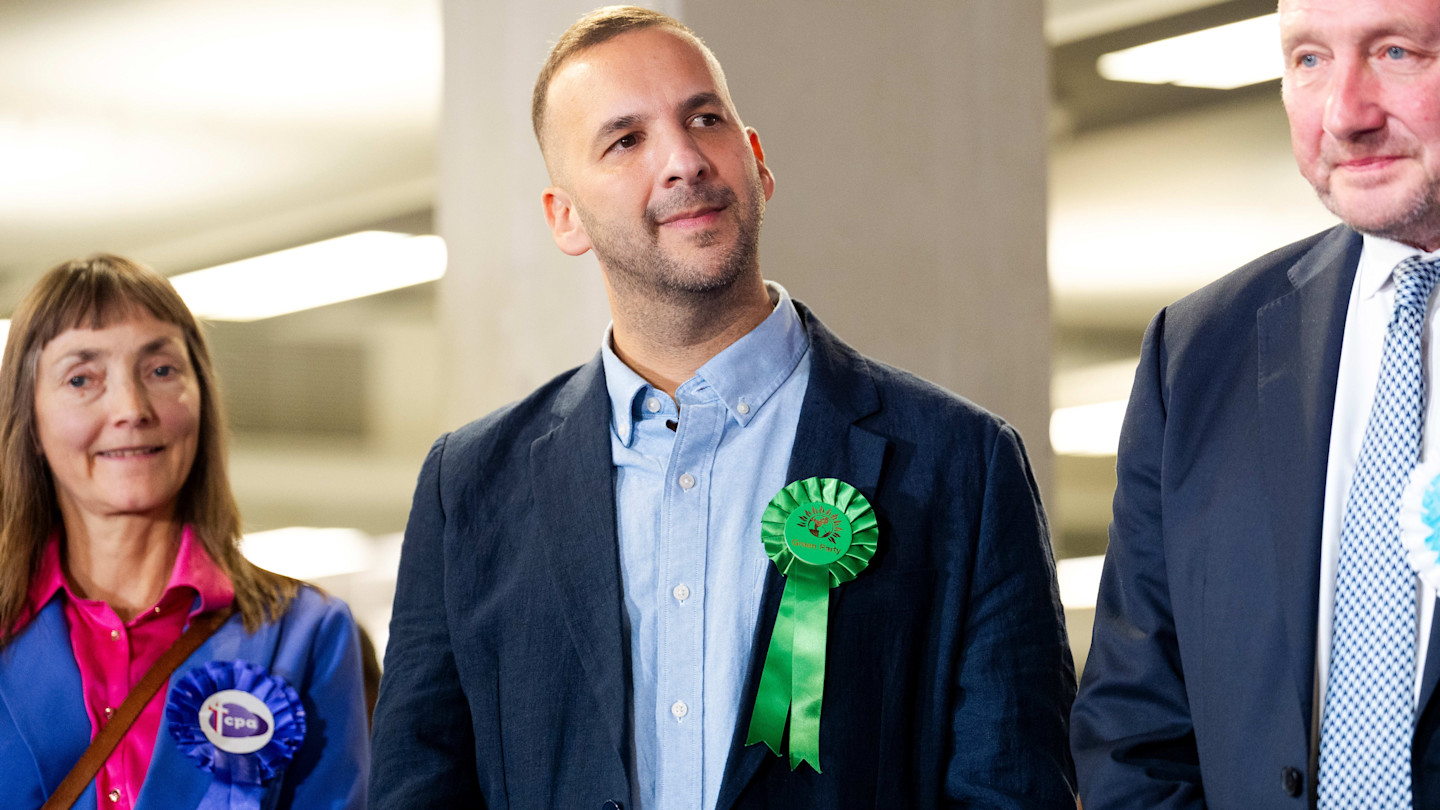
On October 7 2023, when Hamas militants were still on a bloody rampage through southern Israel, Mothin Ali took to social media to express his view: “white supremacist European settler colonialism must end”.
Three years later, Ali has been transformed from an accountant with a sideline in YouTube gardening videos into the co-deputy leader of the UK’s Green Party.
He is tipped as a potential challenger to Zack Polanski after the leader’s loss this week in the Holborn and St Pancras by-election.
Polanski and Ali are on a potential collision course over a controversial “Zionism is Racism” motion, which Ali supported but which Polanski has now pledged to amend “at the earliest possible moment” so that it would not implicitly deny Israel’s right to exist.
The leader of the Jewish Greens, Vivien Lichtenstein, told Times Radio on Friday that Polanski should “resign” for failing to block the motion at the party’s conference in Brighton last weekend.
Senior figures fear the party risks morphing into a Palestinian campaign group too extreme for broad appeal.
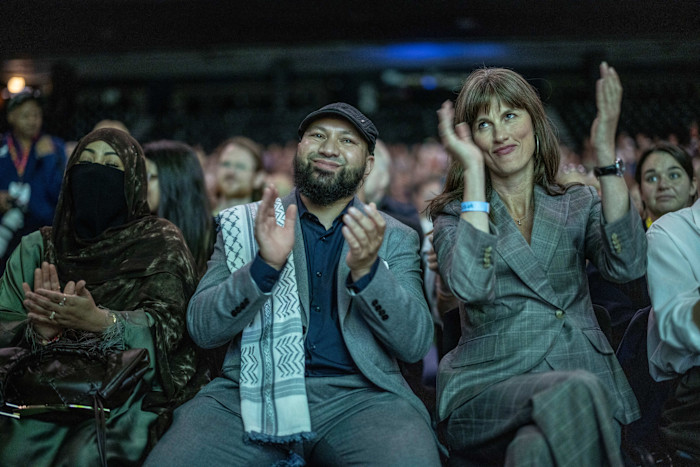
The dispute has ramifications well beyond the Greens’ own ranks.
At one stage this year the party looked like a challenger to the governing Labour Party, capitalising on dissatisfaction among leftwing voters. Despite slipping in the polls in recent months, it remains a potential kingmaker at the next general election.
Prime Minister Andy Burnham said this week that the “Zionism is Racism” motion, which calls for a single Palestinian state, was an example of “terrible judgment” and called on the Greens to reverse it.
But he has so far stopped short of ruling out a future coalition with the Greens, despite pressure from some of his MPs.
With a general election not expected until 2029, Burnham is likely to be wary of closing off options that could keep Nigel Farage’s Reform UK out of power.
Senior Labour figures say it is hard, however, to see how Labour could form a coalition with the Greens unless the “Zionism is Racism” motion is reversed or substantially softened.
“I don’t think a coalition with the Greens under Zack or Ali is even worth approaching,” one Labour MP said.
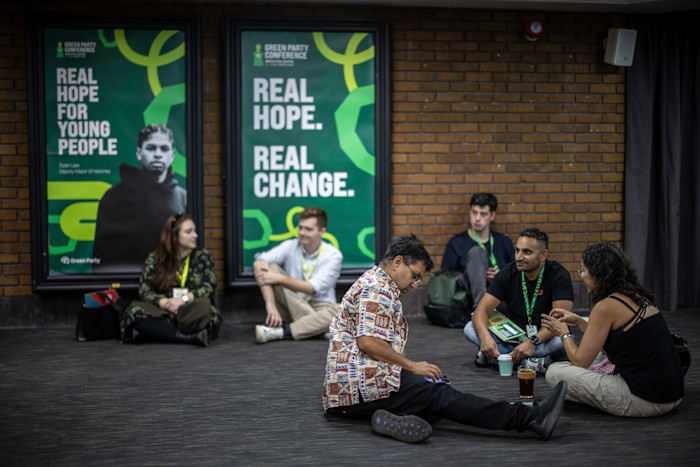
Critics fear Ali’s rapid ascent is a sign of a takeover of the party by the Greens’ most ardent pro-Palestinian supporters that could lead the party into an electoral cul-de-sac.
Siân Berry, Green MP for Brighton Pavilion, offered an apology on Friday that senior figures in the party had not fought harder against the motion because of the by-election campaign, saying the “proposers were very organised”.
Ali has been broadly loyal to Polanski, a gay Jewish actor-turned-politician, since becoming deputy leader, supporting him in his failed attempt to become an MP this week.
Labour won Sir Keir Starmer’s former seat of Holborn and St Pancras with 45 per cent of the vote versus 33 per cent for the Greens.
Ali said earlier this week that he “loved Zack” and that he was a “fantastic leader” who had his “full support”. Polanski has said he will not step down.
Ali was not available to comment on Friday, with a Green official saying he was tired after campaigning.
The official said it would be wrong to assume Ali’s position on any future amendment to the “Zionism is Racism” motion, and that for party unity it was “important for us to continue being a strong and effective advocate for the rights of Palestinians”.
Polanski has said that while he broadly supports the aim of the motion, it would be “imperialism” for a western party to dictate the form of any eventual settlement for the Palestinian people.
The amendment he has proposed would leave the door open to the Green Party supporting a two-state solution with separate Israeli and Palestinian states if that were the will of Palestinians.
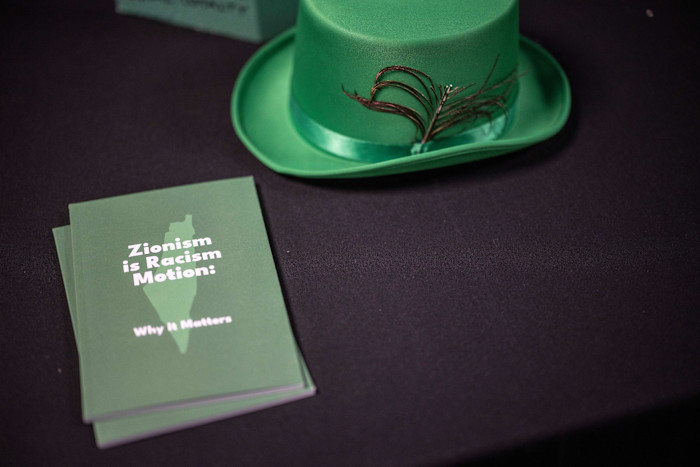
If Ali refuses to back Polanski’s amendment, he is likely to have the backing of many of the roughly 150,000 new Green members who have helped triple the size of the party in the past year.
Polanski faces a leadership vote from the Green membership next summer, as the party holds elections for leaders every two years.
“That could be the crunch moment for Zack if he can navigate the next few months,” one senior Green figure said.
Many supporters of Jeremy Corbyn, the leftwing former Labour leader who was suspended from the party for alleged antisemitism by Starmer, have joined the Greens in recent years.
Caroline Lucas, a former Green Party leader who declined this week to give full backing to Polanski, acknowledged on Friday that he had “transformed the party” since being elected last year.
But she added Polanski must now bring “the same leadership to help resolve huge issues we face and transform our internal structures”.
Green MP Ellie Chowns told the FT that she believed the vast majority of new members supported the party’s long-held aims of environmental and social justice, but said the Greens must look at revising how members could vote to ensure not only the most organised voices were heard.
“There are a small number of people for whom the campaign for Palestinian rights is their primary driving force,” Chowns said.
“My worry is it risks weakening our voice in advocating for Palestinian rights in the future, and I think that’s very worrying.”