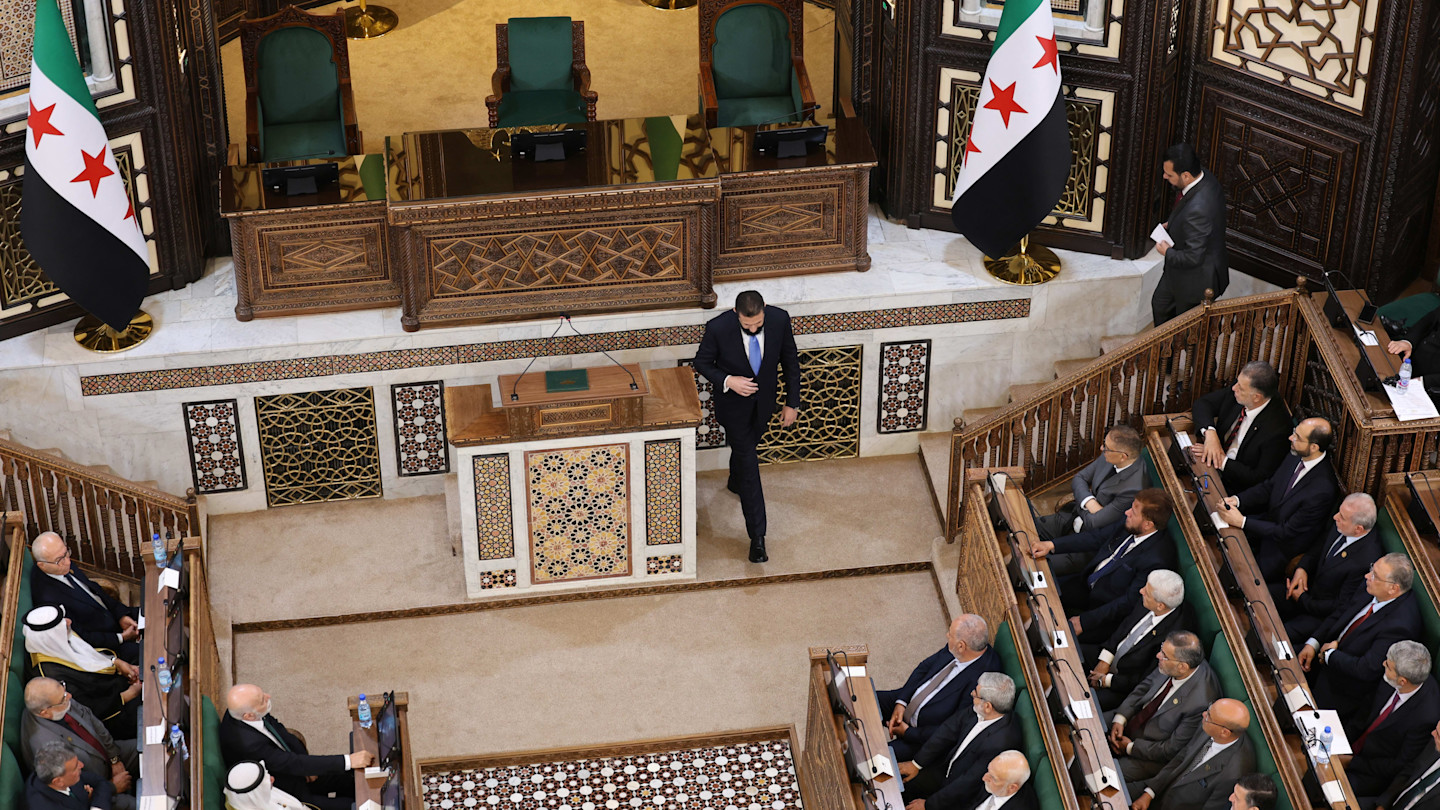
Syria’s leaders have funnelled assets seized from Assad-era cronies into an opaque state-owned fund that is at the heart of the new government’s efforts to reshape the country’s tattered economy and attract foreign investment.
Created by President Ahmed al-Sharaa last year, the Syrian Sovereign Fund has taken control of a sprawling web of assets in every economic sector. Its holdings span state-owned property and companies confiscated from people linked to the ousted Assad regime, according to businesspeople and officials familiar with the matter.
The fund’s assets were valued at $50bn last year by the finance minister but it has not disclosed its holdings, finances or the identity of its director. Its interests range from factories and malls to real estate and stakes in banks — businesses that it says employ more than 40,000 workers.
A central player in Sharaa’s drive to bring in funds from the Gulf, the fund has quickly become a powerful tool for control over Syria’s economy, according to analysts and businesspeople. Its vast holdings give it leverage in every sector, while its officials decide who governs and invests in crucial areas.
The fund was the “most impactful” economically and “wealthiest entity in Syria for now”, said Thaer Laham, managing director of the Syrian Business Council.
One person doing business with the fund said: “What’s the state today? It’s the ministries and the fund.”
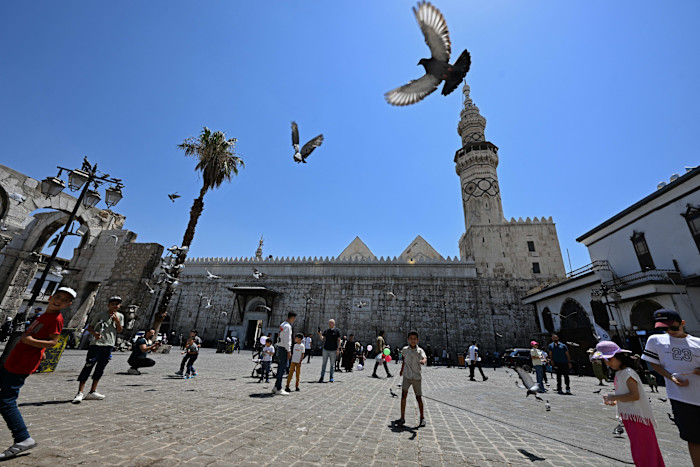
The tourism minister chairs the fund, which reports directly to the president, and its director is Lebanese-Australian citizen Ibrahim Succarieh, according to three people who have met with him. Succarieh, who does not appear on the fund’s website, is under Australian sanctions for allegedly joining the al-Qaeda affiliate that preceded Sharaa’s Hayat Tahrir al-Sham militant group, which ultimately overthrew the Assad regime.
The fund, which says it has more than 270 employees, declined to answer questions about its assets, revenues, management and transparency. But it said that “as a new institution in its establishment phase, the Fund is building its governance step by step” and “working towards alignment” with a set of international practices for sovereign wealth funds.
Its goal was “to protect and grow assets that belong to the Syrian state” and to develop “strategic partnerships that bring capital, technology and expertise into Syria”, the fund said.
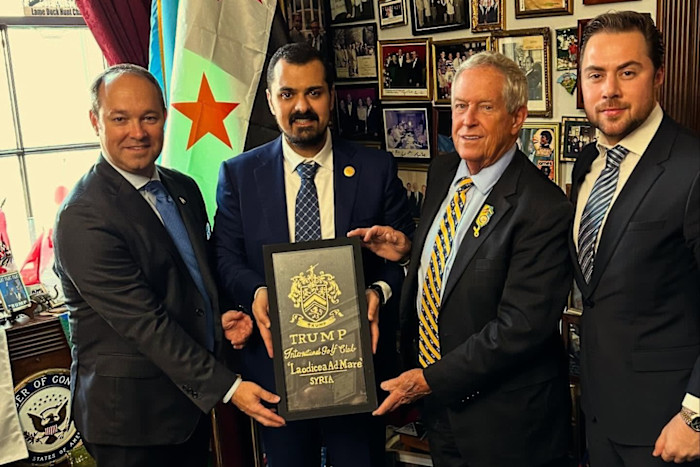
It has positioned itself as a major real estate actor, with a property arm headed by Mohamad al-Khayyat of the billionaire Syrian-Qatari al-Khayyat family, which has worked closely with the Trump family and White House, and signed major infrastructure and energy deals with Syria’s government.
Foreign deals have been coming in, including a $7bn real estate project with Emirati developer Arada and agreements with international companies such as Turkish supply chain business Tiryaki Agro and Saudi wire manufacturer Riyadh Cables Group to upgrade and manage its assets. It took a 25 per cent stake in a Syrian entity set up by Kuwaiti technology company Zain that had won a $747mn licence to operate a mobile network.
The fund has also established new businesses, including the payment company working with Visa in Syria and a domestic car manufacturer.
Arada, Zain and Riyadh Cables did not respond to requests for comment. Khayyat did not reply to a request for comment via his company and the FT was unable to reach Succarieh, who did not respond to questions sent via the fund.
The lack of transparency would not help build trust “between citizen and state”, but for Gulf investors the calculations were different, said Jihad Yazigi, editor of the Syria Report.
“Typically this type of entity, which is non-transparent, which manages such a huge amount of money, whose CEO has not been officially named — all of these raise a lot of question marks,” said Yazigi. However, he added, the Gulf investors being courted by the government “do not necessarily care about transparency” and might find it convenient “to deal with an institution that bypasses all the red tape”.
There is little public information about the assets seized from allies of former dictator Bashar al-Assad.
A state committee tasked with reclaiming illegally obtained assets has said the fund has been involved in managing 32 entities spanning trade, services and banking that had belonged to major Assad-era player Samer Foz, and a Damascus mall seized from businessmen Mohammad and Wassim Qattan. Foz and Wassim Qattan were placed under sanctions by the US and Europe for supporting Assad.
After such takeovers, the companies’ top managers were usually replaced while lower-level employees kept their jobs, people familiar with the matter said.
But the fund has run up against various complications surrounding the ownership of confiscated assets. It has struggled to change the registered owners of some companies, while former owners who lost assets under Assad have sought to reclaim stakes and some former proprietors have contested the seizures, according to people familiar with the matter.
In one case, the original developer of the Qattans’ Damascus mall, which was taken from him under Assad and transferred to Wassim Qattan, petitioned for redress, according to the Damascus governorate. It said the fund had settled a deal with him.
The fund told the FT “all returns belong to the Syrian state”.
Foz and Wassim Qattan did not respond to requests for comment sent via social media and to Foz’s publicly listed email.
The fund has announced public-private partnerships for investors to operate and in some cases upgrade its assets, which remain under the fund’s control.
The fund holds real estate directly and also manages public land that belongs to government departments, according to a person with direct knowledge of its real estate deals. In some cases, it acted as a broker between public bodies and private developers or represented the state, taking a cut of project revenues, the person said. Many are for high-end developments, which have been a focus of the new government.
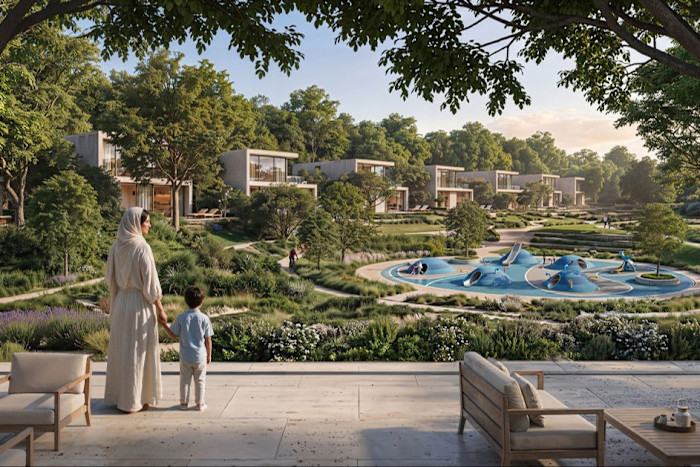
Its mega-project with Arada envisions 11,000 housing units in an area dubbed “New Damascus”, on the edge of the ageing capital. Plans include a hospital and school, with computer renderings showing glass malls, a bubbling fountain and luxurious sitting rooms.