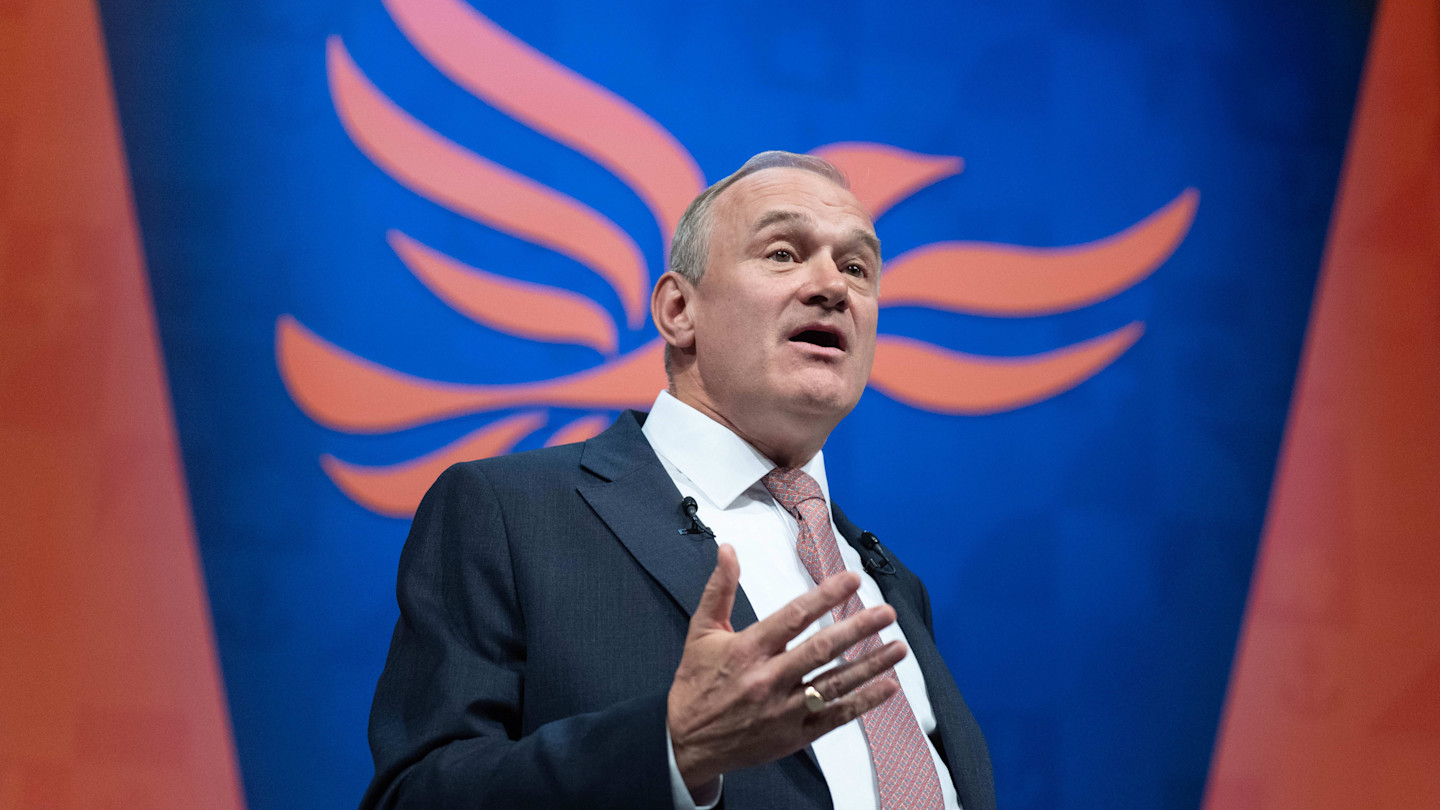
Senior Liberal Democrat MPs have rallied behind their leader Sir Ed Davey after a frontbencher resigned on Friday in an attempt to trigger a coup.
Charlie Maynard, an Oxfordshire MP, resigned as a Treasury spokesperson early on Friday after months of frustration over the centre-left party’s lack of momentum.
Maynard has asked other MPs to back him in a vote of no confidence against the leader, although he is not understood to want the leadership for himself.
Tim Farron, a former party leader, said of the attempted coup: “To think we’re helped by this kind of rubbish, you’d need to be smoking the kind of stuff even we aren’t in favour of legalising.”
Daisy Cooper, deputy leader, told the FT that the “vast majority” of Lib Dem MPs were “furious at this distraction” and wanted Davey to stay as leader.
Davey has led the party for six years, and won its biggest ever number of MPs at the 2024 election. But he has been criticised for failing to move beyond colourful stunts, with the party having fallen to fifth place in opinion polls behind the insurgent Greens.
Maynard declined to comment on Friday. The MP for Witney has become a prominent figure for his campaign against Thames Water’s management over the utility’s poor financial management and environmental record.
To dislodge Davey, half of the party’s 71 MPs would need to back a no-confidence motion. That would trigger a membership ballot in which other challengers could take part.
Maynard’s resignation comes just four days after another Lib Dem frontbencher, Alison Bennett, stood down from the role as care and carers spokesperson.
The Lib Dems have struggled for attention compared with the more radical Greens and Reform UK, both of which have fewer MPs.
But Susan Murray, the Lib Dems’ Scotland spokesperson, said “changing leader is not necessarily going to get us more media coverage or increase our polling”.
Any move is likely to come to a head next week when MPs return to Westminster following a recess for the party conferences. The Lib Dem parliamentary party is due to hold its regular meeting on Tuesday.
Davey had sought to head off tensions in his conference speech last month with promises of £17bn in tax cuts and a focus on the cost of living.
He outlined plans to increase the tax-free personal allowance threshold to £15,000 and raise the higher-rate income tax threshold from £50,271 to £56,000.
Both tax cuts would be funded by the “dividends of growth” from rejoining the EU’s single market and customs union, Davey said, and would come into effect by 2034 if his party were elected.
However, the moves have done little to calm the mood among some of Davey’s MPs, many of whom grew frustrated following underwhelming English local election results in May.
The party gained 152 council seats but failed to make progress in key target areas such as Merton in south-west London.
The Lib Dems are polling at 9.9 per cent nationally, according to the FT’s poll tracker.