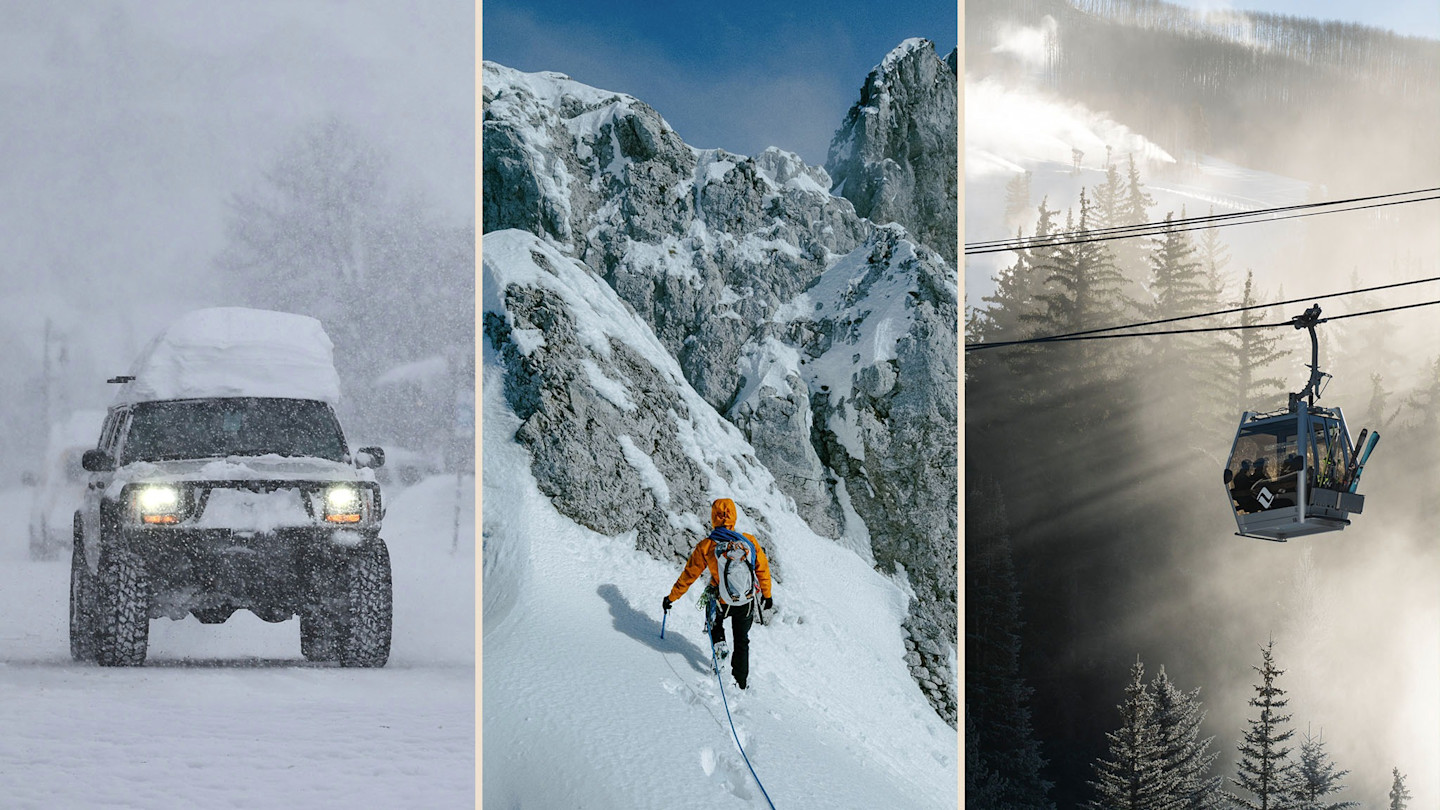
A “Godzilla” ski season?
The intensifying El Niño climate phenomenon looks set to have wide-ranging global impacts, from rising cocoa prices in west Africa to potential inflation in the Philippines. Skiers, though, can’t help focusing on an altogether more frivolous question: will it bring more powder?
Ski resort operators, particularly in the western US, have been quick to highlight the prospect of El Niño bringing record snowfall — a dream scenario after a dire season last winter. A banner across the website for Purgatory in Colorado, for example, exhorts visitors to buy their lift pass now to “lock in a potentially historic season!” Ski Utah, a trade body for the state’s resorts, has been handing out lawn signs, aping those displayed in the run-up to the midterms, that say “Vote Super El Niño 2026-27. The Greatest Snow on Earth.” A headline in the US ski magazine Powder recently noted: “The El Niño hype train has officially left the station.”
In fact, meteorologists say there is substance behind the hype, even if the picture is more nuanced and less guaranteed than some might hope. There is little doubt that this will be a “super”, or even “Godzilla El Niño” (as it has been widely dubbed, including by a UK government research briefing). The phenomenon recurs in an irregular pattern, typically between two to seven years apart, but the current event has already broken previous records, with sea-surface temperatures in the central-eastern Pacific — a key indicator — more than 3C above average. “El Niño is being supersized before our eyes,” warned UN secretary-general António Guterres last month.
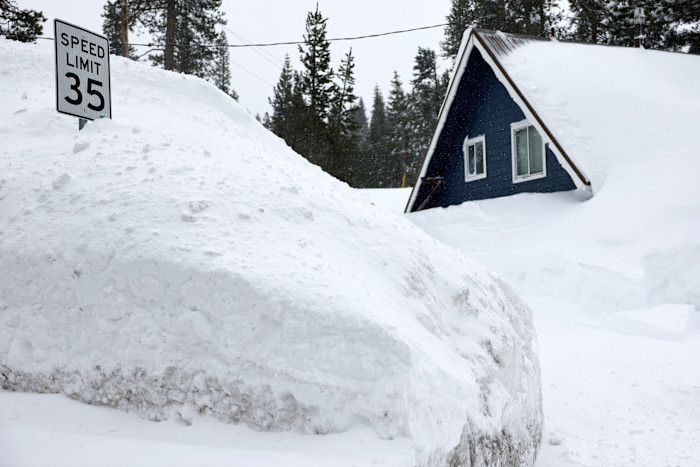
Long-range forecasts from the US National Oceanic and Atmospheric Administration suggest there is likely to be more precipitation than usual in California, Nevada, Utah, Arizona, New Mexico, Colorado and most of the east coast states that offer skiing, but less in Montana and an equal chance of below and above normal in Wyoming. However, precipitation does not necessarily mean snow.
“While El Niño’s influence on precipitation patterns is well known in North America, translating that into snowfall is more complicated because it also depends on temperature,” says Liz Stephens, professor of climate risks and resilience at the University of Reading and an adviser to the UK government on El Niño. “Some Californian ski resorts have experienced bumper snowfall during strong El Niño winters, but as the climate warms, more of that additional precipitation may fall as rain rather than snow, particularly at lower altitudes.”
In reality, El Niño winters can vary considerably, she says, though the broad tendency is for “wetter conditions in California and the southern Rockies, while further north, particularly in the Pacific Northwest and northern Rockies, conditions tend to be warmer and drier, which can mean less snowfall.”
Among the best current bets, based on location and elevation, are Mammoth Mountain, Heavenly and Kirkwood in California, Wolf Creek in Colorado and Taos in New Mexico.
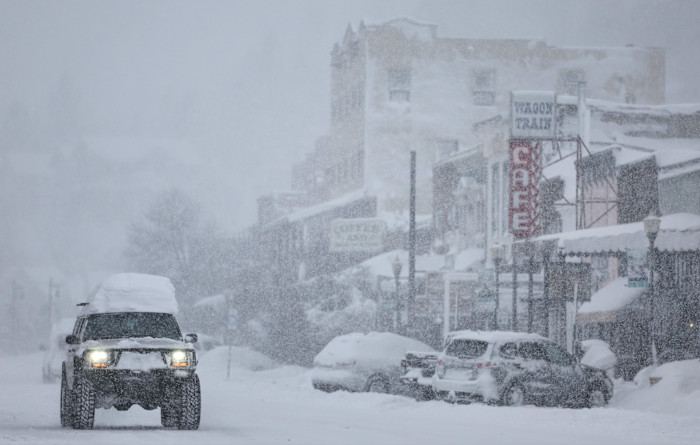
Forecasts are less positive for Canada and Japan. According to the Canadian Centre for Climate Services, a milder, drier winter is likely for British Columbia, Alberta and much of the rest of the country. In Japan, El Niño tends to weaken the winds from Siberia that cross the Sea of Japan, drawing cold, dry snow to Hokkaido and the western seaboard. The Japanese Meteorological Agency’s long-term winter forecast suggests Honshu is likely to get lower than average snowfall with higher than usual temperatures, while Hokkaido has an equal chance of below normal or average snowfall, but only a 20 per cent chance of getting more snow than usual.
In the Alps, the picture is less clear — there is “no consistent El Niño influence on precipitation or snowfall” says Stephens. Others have pointed to a possible scenario later in winter when El Niño might weaken the polar vortex, which ordinarily traps freezing air in the Arctic, thus allowing it to spill southwards and bring cold snaps to the Alps.
Forecasters may urge caution, but fuelling skiers’ excitement is the fact that this El Niño has already fulfilled predictions. In Australia, where the phenomenon usually brings reduced snowfall, resorts have just wrapped what one climate scientist called “a shocker” of a season, with warm temperatures, rain and some resorts closing a month early. In contrast, central Chile — exactly as predicted — was hit by dramatically increased precipitation, with rains even in the usually dry Atacama Desert and the biggest snowfalls in 50 years in Andean resorts such as Portillo.
Testing times for Vail
Vail Resorts, the world’s biggest ski resort operator, has reported tumbling profits and forward sales, raising questions over the business model that has reshaped US skiing.
The company, which runs 42 resorts in the US, Canada, Switzerland and Australia, saw net income decline 47 per cent in the 12 months to July 31, a fall chief executive Rob Katz blamed on “one of the most challenging winters in history across the western US”. Colorado, where Vail owns five resorts, endured its warmest winter in 131 years. Seven other states set record lows for snowpack earlier this year. Skiers posted pictures of muddy pistes and empty chair lifts.
Katz has spoken extensively about how his determination to avoid being simply a “snow farmer” — in charge of a company which sees profits rise with good snowfall and fall with droughts — was behind his introduction of the Epic Pass in 2008. A season-long pass valid at all the company’s resorts, it had to be bought before the winter even began, thus locking in profits whatever the weather. Prices for tickets bought on the day have been significantly increased to make the season tickets more attractive. The move prompted other resorts to group themselves under rival season tickets, including the Ikon and Mountain Collective passes.
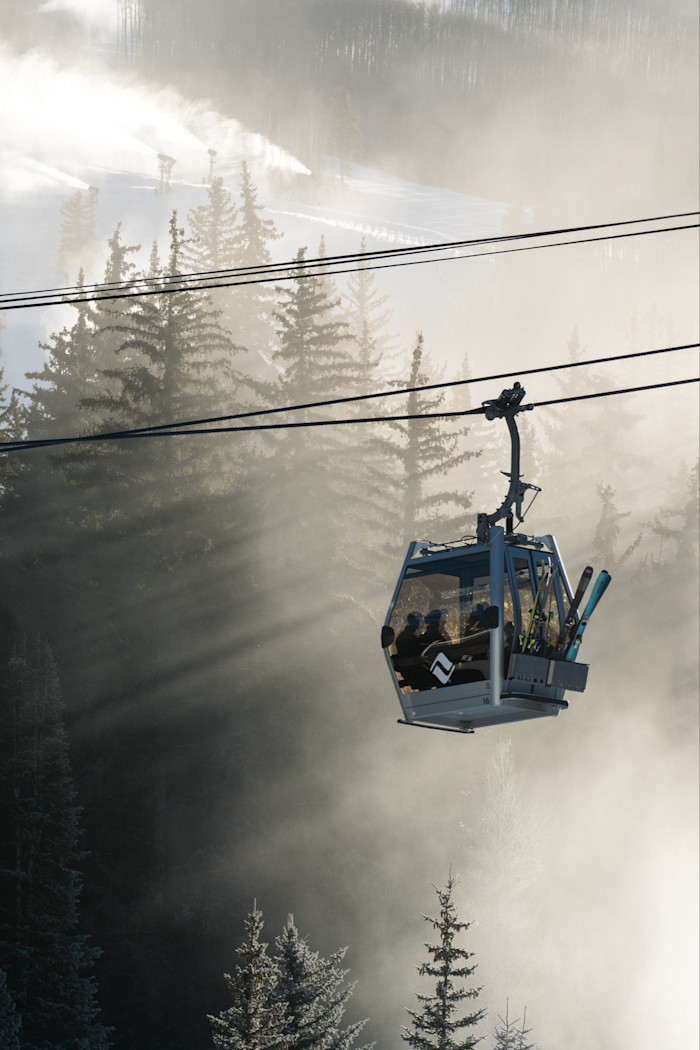
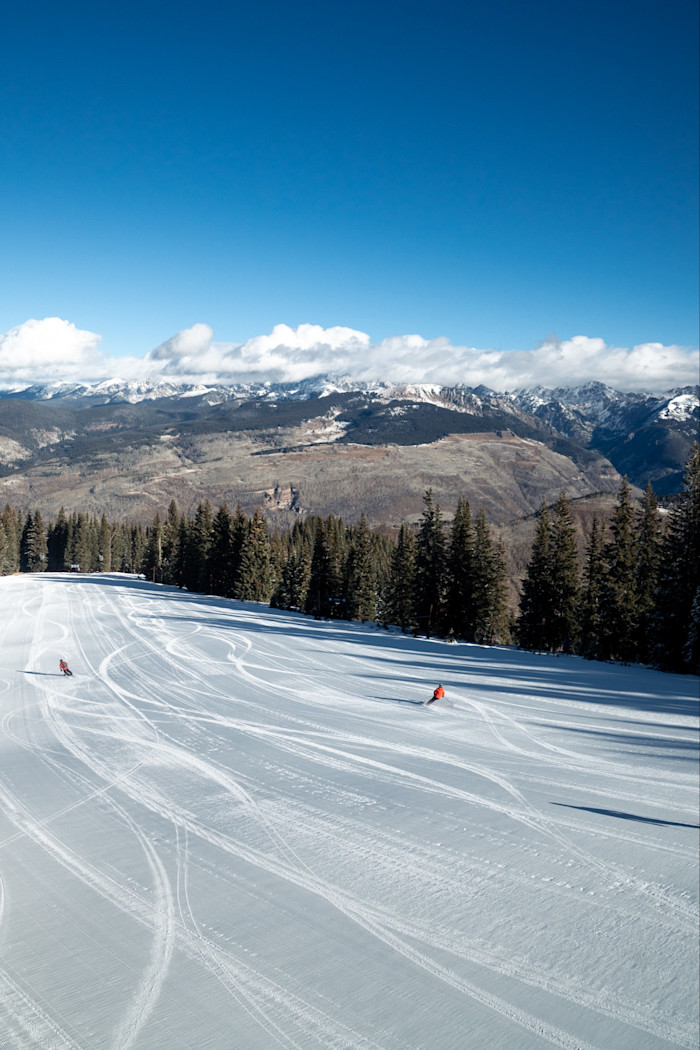
Vail says last winter “showed the resilience of our business model” but also reported that, as of mid-September, the number of passes sold for the coming season was down 12 per cent on the same point last year. Analysts say skiers have been unwilling to pay for passes that top $1,100 with memories of slush fresh in their minds. That suggests that rather than removing the impact of poor snowfall, the Epic model risks carrying it from one season to the next.
To make matters worse, the company is facing an activist investor, a hedge fund called Oasis Management, which has gradually acquired a 9 per cent stake, making it one of Vail’s five-largest shareholders. It has nominated four board directors, including former Disney executive Bob Chapek and US Olympic gold medal skier Picabo Street, saying it wants them to bring “fresh perspective” and sharpen “focus on guest experience, pricing strategy, marketing effectiveness”.
For Vail, much now seems to depend on the coming winter’s snowfall. “They’re hoping that bad lightning doesn’t strike twice,” said Patrick Scholes, an analyst at Truist. “I don’t ever recall two horrific back-to-back years, but anything is possible.”
The uncertainty means that Vail’s expansion into the Alps is likely on hold, said Jeffrey Stantial, an analyst at Stifel. “They are still interested in expanding and growing their footprint in Europe, but they’re not going to chase these deals maybe as much as they used to,” Stantial said.
Asia’s newest resort
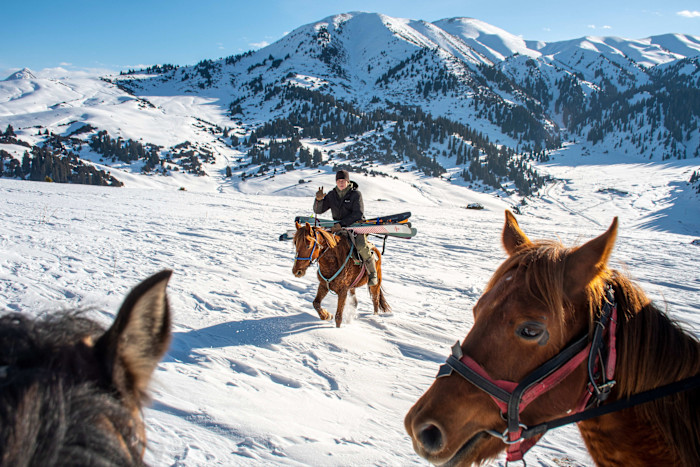
Skiers have been increasingly drawn to central Asia in recent years, usually for back-country adventures such as ski-touring, cat-skiing and, in one Kyrgyzstan village, climbing the mountain on horseback. The focus could soon change, however, thanks to a series of resort developments, the first of which is due to open this winter. Ala-too, in Kyrgyzstan’s Tien Shan mountains, is central Asia’s largest ski project, a state-backed initiative promising 250km of pistes. It will open in three phases, with the first lifts at Jyrgalan launching in December and full completion by the mid 2030s. In Kazakhstan, work is under way on Almaty Superski, a resort with 200km of pistes just south of Almaty. It will connect two existing ski areas, Shymbulak and Oi-Qaragai, via a new resort called Kok Zhailau, with the links due to open in 2029.
A new sleeper to Switzerland

There is growing demand for rail travel to the Alps and this winter brings a new option. European Sleeper’s overnight service from Brussels to Milan isn’t marketed at skiers but includes a stop at Göschenen in Switzerland. From there, a local train takes only 10 minutes to reach the celebrated freeride resort of Andermatt. It only operates on certain nights of the week (leaving Brussels at 5.22pm and returning from Göschenen just before 9pm) but, combined with a Eurostar to Brussels, means that for the first time Andermatt is only two changes from London St Pancras.
Next-gen ski gear
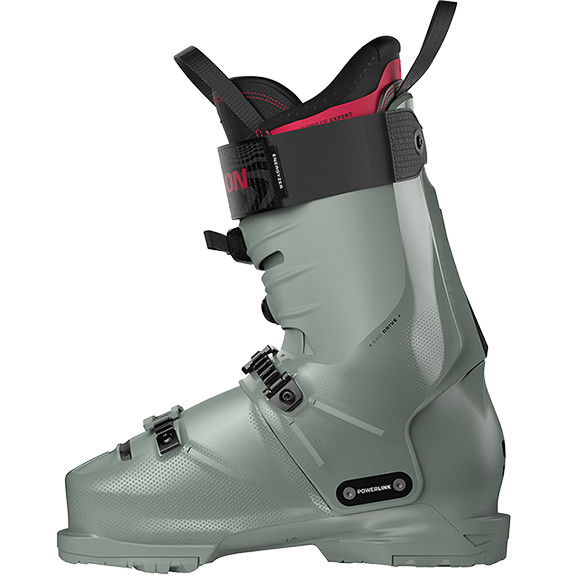
Since leather was superseded by plastic in the 1960s, almost all ski boots have stuck to one basic feature: a pivot point on either side of the ankle, where the upper meets the lower section. This winter Salomon is upending that principle, in a bid to “rethink how a boot steers a ski”. Its new S/Pro Alpha C Boa boot (from £510) has a conventional ankle-level pivot on the outside, but on the inside, the upper and lower are joined by a “Powerlink” bar which sits much lower and closer to the ski.
Meanwhile the asymmetrical “Exodrive” design means there is 37 per cent more plastic on the inside of the boot than the outside. Both innovations are designed to transmit more power to the inside edge of the ski, where most pressure is applied during a turn. “This sounds like marketing speak,” says Peter Waghorn of Salomon UK, “but everyone who’s tried it says it makes them a better skier.”

A new entrant to the transceiver market is promising to speed the location of skiers buried under avalanches by up to 30 per cent. Bavarian company Nivia says its 3D Finder (€549) is unique in using both radio signals and GPS. Conventional transceivers guide users towards victims along curved magnetic field lines, but Nivia claims its product triangulates the burial position “down to the centimetre” and directs the searcher there in a straight line.
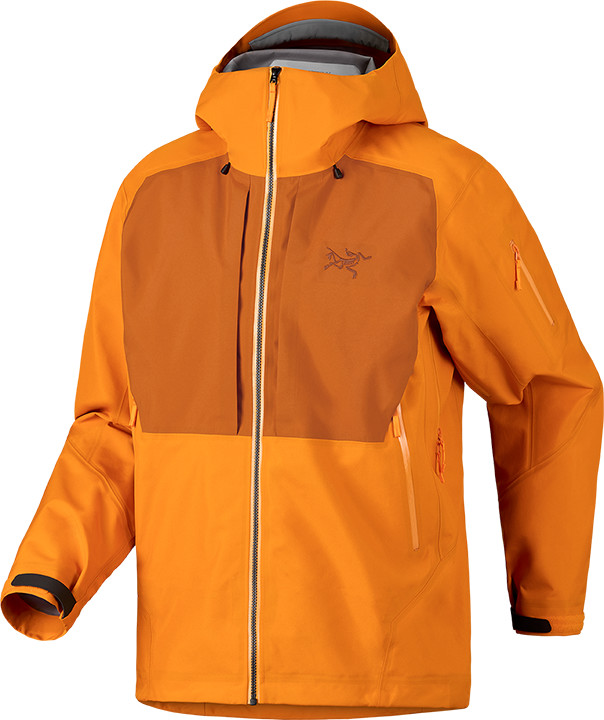
Perhaps finding it harder to come up with meaningful performance innovations, clothing manufacturers are instead trying to improve their products’ environmental credentials. Swiss-based Mammut has introduced “Loopinsulation Active”, a new filling used in jackets and shorts for high-output activities such as ski touring, made from recycled rope offcuts and plastic bottles. And last month British Columbia-based Arc’teryx launched its Sperro SV jacket, made from Econyl yarn (produced from a range of waste products including discarded carpets and fishing nets). The Sperro SV is also designed with “end of life in mind”, meaning it can be more easily disassembled and recycled. A clear conscience doesn’t come cheap, though: the Sperro SV costs £1,100.
Find out about our latest stories first — follow FT Weekend Magazine on X and FT Weekend on Instagram