The writer is an academic, critic and broadcaster
There are no Tamagotchis at Tate Britain’s latest show, The 90s: Art and Fashion. No lurid latex Mr Blobbys preparing to pounce from behind the oversized pictures of a pouting Kate Moss. Not a thing that even hints at the deep and enduring naffness of 1990s culture; those of us who lived through it probably remember all this rather ruefully. But nostalgia — well — it’s not what it used to be.
The ’90s have been back for a while if the preponderance of boot-cut jeans and Britpop revivals are an indicator of anything. Mixed responses to the new film adaptations of Sense and Sensibility and a forthcoming Pride and Prejudice seem more likely to have sent people scurrying back to the 1995 BBC serialisation and Emma Thompson’s Oscar-winning screenplay of the same year than to the books themselves. We could clutch our bonnets in horror at this, or ask why the ’90s are now being cast as the new halcyon days of our cultural lives.
Nostalgia is contagious. It is practically a disease. The word — deriving from the Greek nostos, a return home, and algos, suffering or pain — hasn’t always been synonymous with rose-tinted reminiscences. It was the name given in 1688 by Swiss medical student Johannes Hofer to the longing felt by soldiers serving far from home, a melancholia so debilitating and intense it could induce symptoms of exhaustion, loss of appetite and fever. The Romantics later revelled in it as an aesthetic, ushering in an age of dreamy poets gazing moodily at ruins.
It is almost cheeringly absurd that the Tate’s show, curated by former British Vogue editor Edward Enninful, should be so determinedly filled with stylish things: small sharks suspended in formaldehyde — teeth as sharp as the Ozwald Boateng suits behind them, the iconoclastic i-D magazine editions that edgy kids kept pristine and a Philip Treacy hat nonchalantly mounted with a rigged galleon. It’s flattering to believe your generation could have been so effortlessly cool. Spoiler alert: most of us were not. If, like me, the ’90s were the formative years of your youth, then the nostalgia for the decade is also perplexing. And it’s a complicated business working out what should live on.
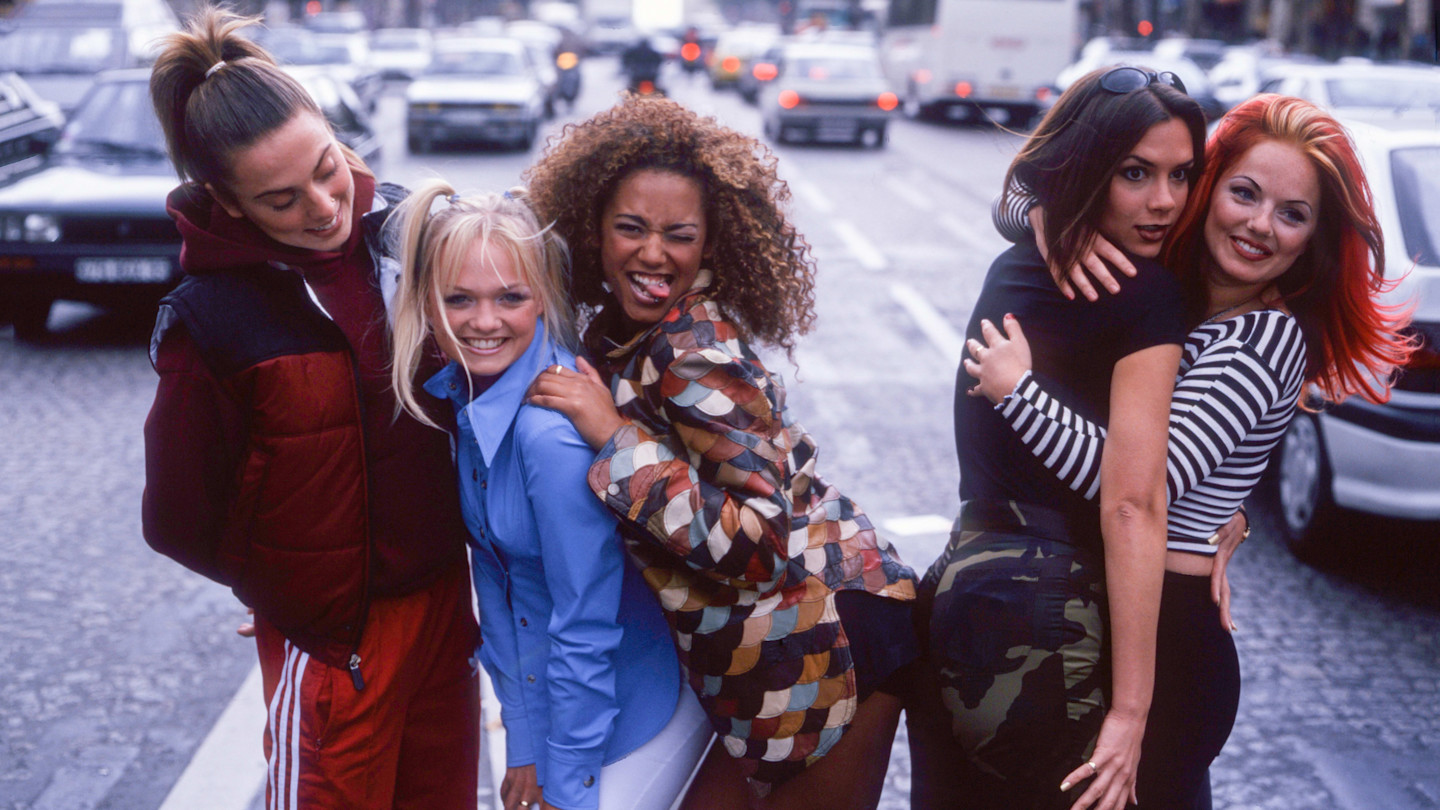
When in 1825, the essayist William Hazlitt sought to capture the “spirit” of his age, he picked out the work of Byron, Bentham and Scott to measure the intellectual temper of his time. But we’re too close to the ’90s to confidently hold up a novel by Zadie Smith to define the decade or to claim that The Spice Girls put the zig-ah-zig-ahhh into the Zeitgeist. We might be more confident of the work of the women of the Young British Artists movement (the YBAs) though — Sarah Lucas, Gillian Wearing, Tracey Emin among others. The show soberly reminds us that their works still stand up, that their concerns with the hazards of sexual freedom in a world of sexual violence remain, disappointingly, our concerns 30 years on.
It’s tempting to pretend that the ’90s were a simpler time. We were the Cool Britannia brigade (though we would have been indignant at the label), post-Berlin Wall coming down, pre-9/11, kicking around waiting for the internet to take off. It’s true that there is a pre-social media innocence associated with witnessing the infancy of the digital age; we lived in that strange interregnum between Ask Jeeves and Google.
But it’s also impossible to forget how the ’90s were scarred by wars in the Balkans, by the Rwanda genocide and the long shadow cast by the Aids crisis. Hamad Butt’s Familiars — an astonishing 1992 sculptural series of iodine suspended in glass — is the one exceptional work in the Tate show. He died of Aids-related complications in 1994 at just 32. It’s worth remembering that when Familiars was first shown at the Tate in 1995, the installation broke and the gallery had to be evacuated. Perhaps there’s something to take from that. Our recollections of the ’90s are beautiful, and dangerously fragile too.