The global economic backdrop does not look pretty. Even though US courts have curbed much of President Donald Trump’s protectionist agenda, the effective tariff rate of the world’s largest economy is still at its highest level in several decades. The Iran war has meanwhile delivered the biggest disruption to oil markets since the 1970s, just as Russia’s rumbling conflict with Ukraine continues to strain global supplies of food, fertiliser and fuel. Most recently, mounting concerns over high debt piles and rising interest rates have stoked an intense bond market sell-off. Yet growth appears to be holding up remarkably well.
Last month, global business activity reached a joint 40-month high, according to JPMorgan’s composite purchasing managers’ index. The worldwide trade in goods is also expected to grow faster in the coming years. In all, the global economy is expected to muster a respectable annual growth rate of around 3 per cent this year and next. As policymakers gather in Bangkok next week for the annual IMF and World Bank meetings, understanding what has sustained global economic expansion is as important as assessing the risks ahead.
Governments have played an important role. Long-running efforts to support the green transition and build up oil and gas stocks, and release them, have provided a valuable buffer. Larger foreign currency reserves and more mature fiscal and monetary policy frameworks have also enabled developing nations to better weather the wave of shocks. And across the world, support packages have absorbed some of the cost pressures facing consumers, while new trade agreements have helped to diversify supply chains.
Much of the credit goes to the agile private sector. Faced with tariffs and geopolitical disruption, businesses have quickly found new suppliers, shifted production and rerouted trade. As the flow of oil, gas and chemicals through the Strait of Hormuz has been clogged up, producers from Canada to Kazakhstan the have stepped up their exports.
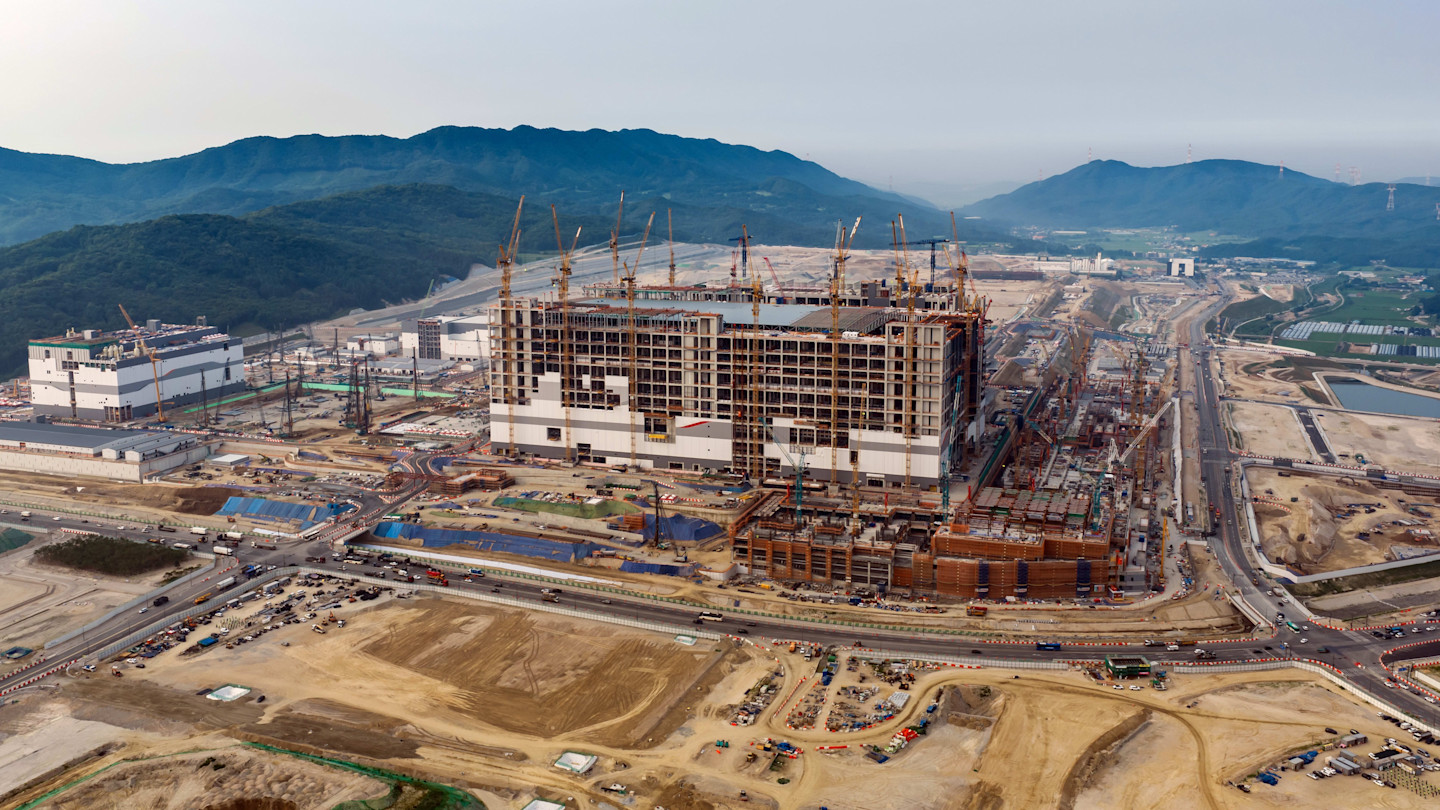
The AI boom has provided a further boost. Surging demand for chips, servers and circuit boards has lifted exports across Asia, and suppliers of specialist equipment in Europe. In the US, the vast spending on data centres and related infrastructure has powered industrial output, despite the country’s high import duties. The investment frenzy has also propelled stock markets, generating wealth effects that have helped sustain consumer spending in America and South Korea for instance.
Good fortune has helped. The AI build-out has come with fortuitous timing, offsetting geopolitical shocks. Dollar weakness has helped cushion developing economies, and legal challenges have blunted Trump’s more aggressive tariff plans.
Still, there is little room for complacency. Bond investors are losing patience with heavily indebted governments, while populist politicians threaten to make fiscal restraint harder. The longer the Iran war persists, the more existing buffers will be depleted. And with so much trade and investment now riding on AI, any misuse, accident or disappointment over the technology’s commercial returns would reverberate across the global economy.
There are, though, valuable lessons in what has worked. Having some fiscal space has allowed governments to cushion the blows. But that room is running out and rebuilding it through credible consolidation is essential, lest bond markets become the source of the next shock. Equally important is supporting the ability of businesses to adapt. Removing barriers to hiring, investment and expansion helps the private sector respond faster, while deeper trade ties and better transport and energy infrastructure give companies more options when supply chains are disrupted. The world economy has proved remarkably resourceful so far. Keeping it that way will require more than good fortune.