A raucous crowd of 20,000 gathered in Owensboro, Kentucky in 1936 to watch the hanging of Rainey Bethea, a 22-year-old convicted rapist. Revulsion at the media frenzy and carnival-style atmosphere led to a US ban on public executions that has stuck for 90 years. This week, Pete Hegseth, America’s self-named “secretary of war”, broke that taboo when he said the Pentagon would livestream the execution of Nidal Malik Hasan, a military psychiatrist who shot and killed 13 of his fellow soldiers. “People need to understand that there are serious consequences for these type of things,” Hegseth said. As a public service, Hasan’s death by firing squad would be available to all.
Edward Gibbon, the 18th-century historian who attributed Rome’s fall to the “triumph of barbarism and religion” might have felt a pang of recognition. Hegseth has devoted his time at the Pentagon to re-establishing a culture of “lethality”. This has included championing testosterone as the ultimate warrior quality and the purging of women and minorities from the military’s senior ranks. Last week, he created the Pentagon “office of religious affairs”, which would lift spiritual health to the same level as physical. “Our department is, you might say, putting on the full armour of God, because while we wage physical war, we all know the real battle is spiritual,” Hegseth said.
It is unclear whether Hegseth’s morbid gimmick would be a one-off or open a new chapter in America’s fraught history of crime and punishment. Hasan’s lawyers are expected to argue that it would amount to constitutionally banned “cruel and unusual punishment”. Should it go ahead, America would join Iran, Afghanistan and North Korea in the small group of countries that stage public executions. Most democracies have long since banned capital punishment. Britain’s last executions were in 1964. Its last open-air hanging was in Victorian London. The Quakers were key to bringing in the ban by arguing that it “brutalises a society that kills”.
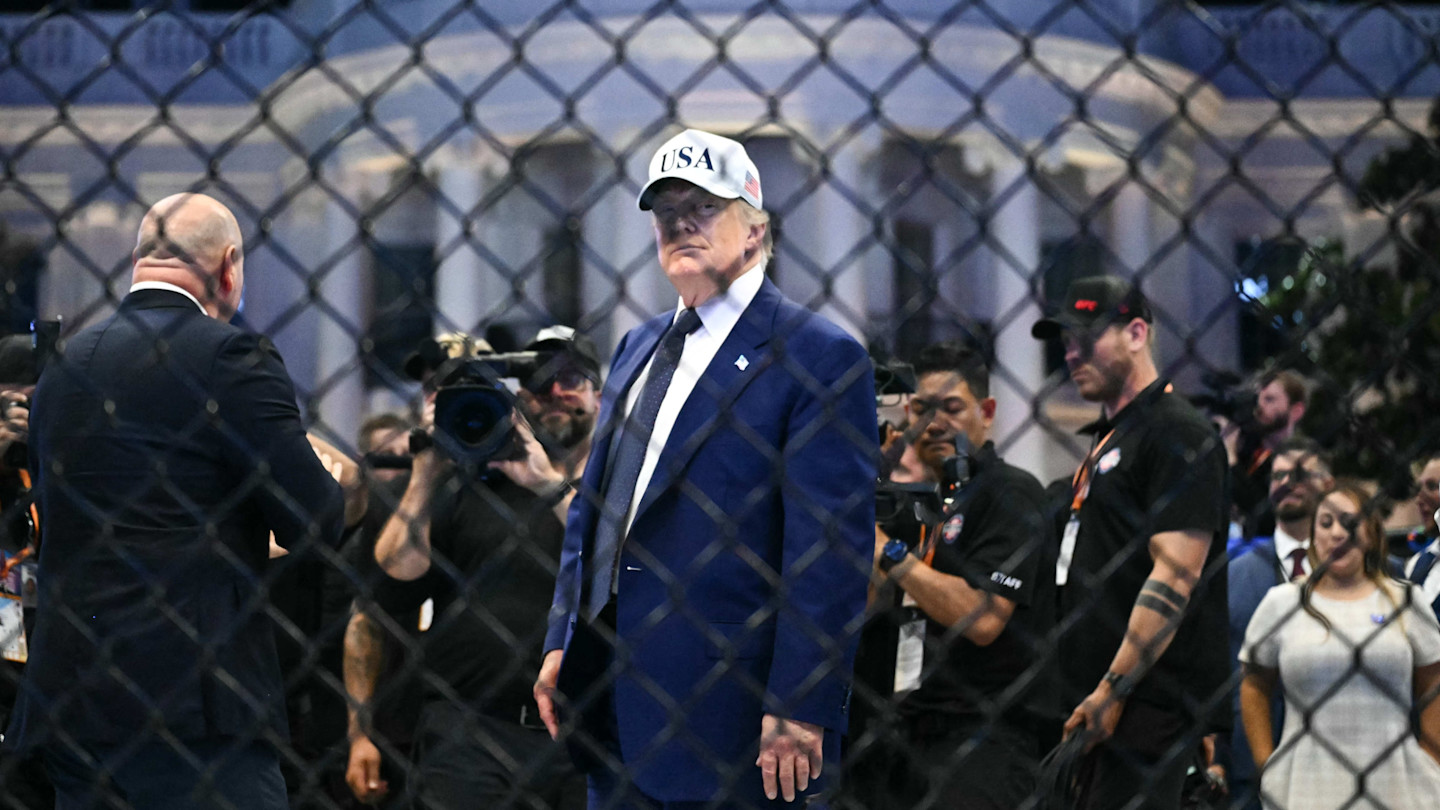
Hegseth and Trump are unlikely to be swayed by such qualms. It is conceivable that Trump will reverse Hegseth’s decision if public revulsion takes hold. Thom Tillis, an outgoing Republican senator, called it “beyond disgusting”. But Trump’s fascination with televised spectacle goes deep. On his 80th birthday in June, he hosted a UFC ultimate fighting match on the White House lawn, which had a viewership of 34mn.
Though there is no suggestion that Hegseth will set up a pay-per-view scheme for Hasan’s execution, Trump would undoubtedly pay keen attention to the ratings. He is a life-long enthusiast for capital punishment. On his first day in office, Trump lifted the moratorium on federal executions and said it should automatically apply to illegal immigrants convicted of murder and anyone who kills a law enforcement officer. He also added firing squad, electrocution and nitrogen gas to the permitted menu of options alongside lethal injection. Hasan would be the first person to be executed by a US military firing squad since 1945.
What would Hasan’s staged execution do to America’s soft power? Recent polling shows that a majority of countries, including US allies, now view China more favourably than the US. The longstanding image of America as a society with an egalitarian temper that welcomes all comers is fast receding. The world has become familiar with footage of masked ICE officers snatching mothers from day care centres. They see a US president releasing one fake AI video that depicts Barack and Michelle Obama as monkeys. Another showed a crowned “King Trump” piloting a plane that splatters excrement on the “No Kings” marches below.
Other than opinion polls, it is difficult to put a metric on the scale of America’s reputational harm. Nor would this be likely to influence Trump or Hegseth. The latter has staked his career on kinetic displays of hard power and a contempt for soft. But a contemporary Gibbon would surely take a stab at evaluating the harm. The historian placed greater emphasis on Rome’s internal moral decay than on the menace of barbarians from without. A society that loses its civic virtues wastes its vital sinews, he observed. Bread and circuses kept Romans entertained. Yet they sapped the republic of all that was noble.