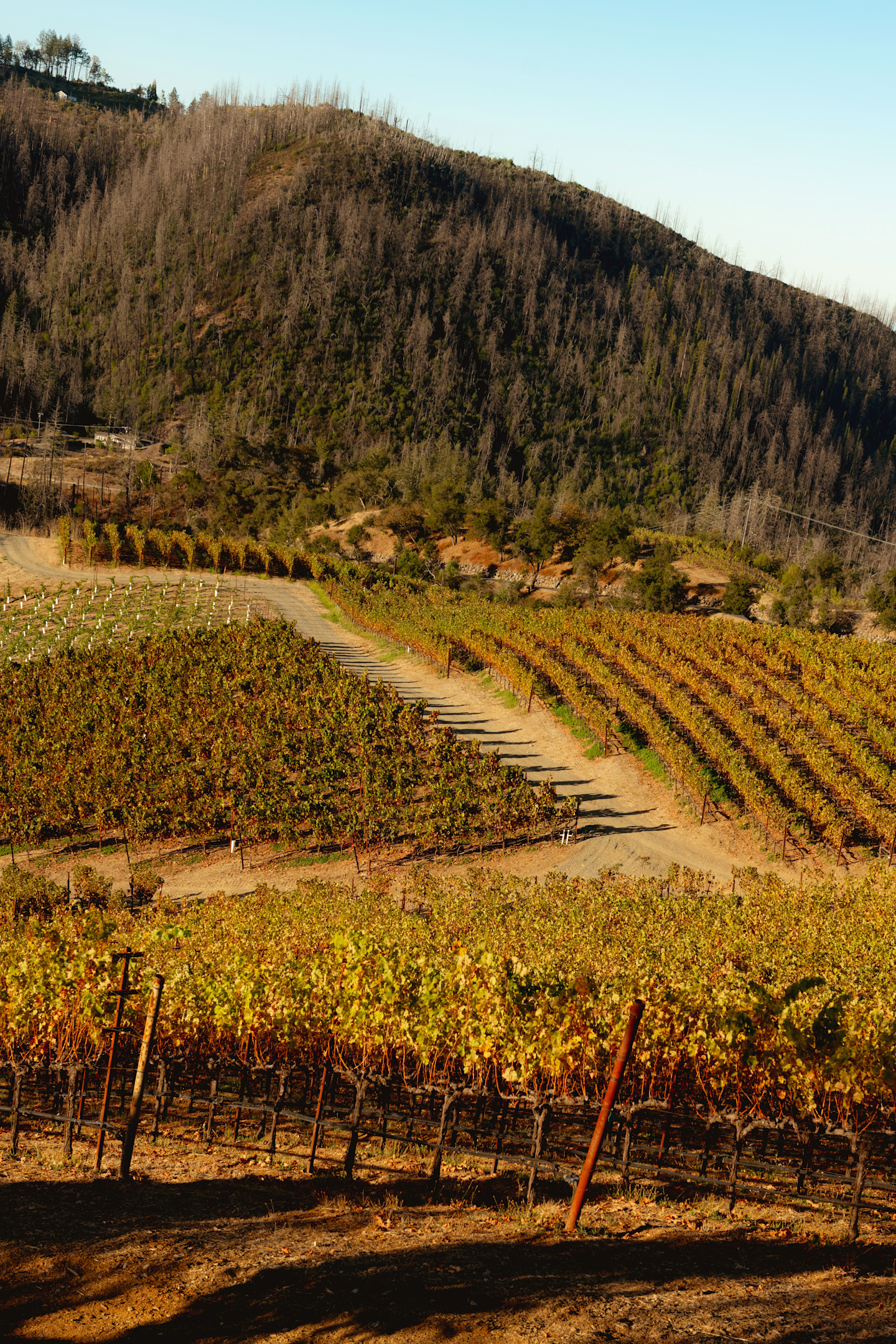
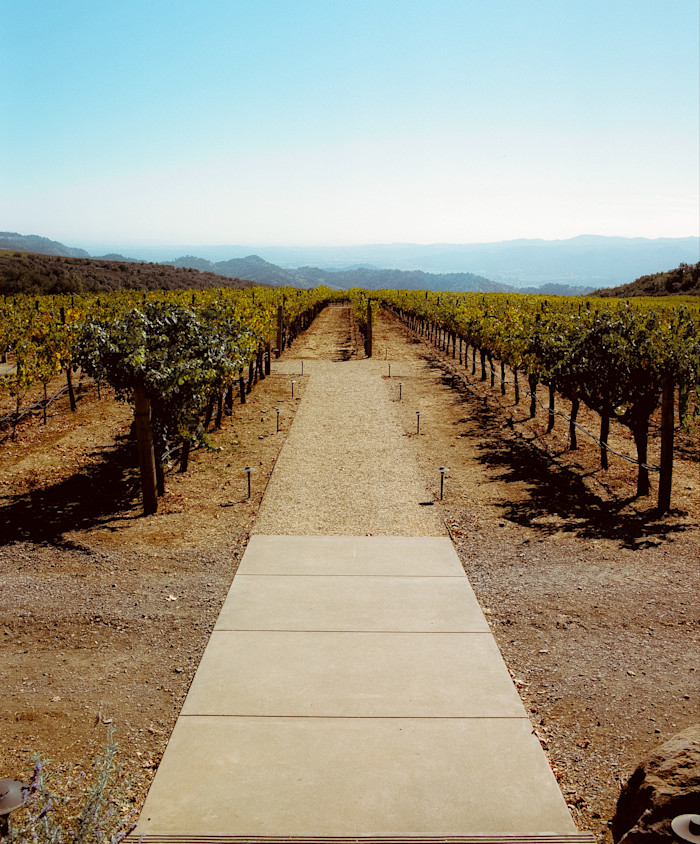
Joseph Phelps Vineyards looks just as nature intended, if nature hired 1,000 gardeners. The drive along the low stone wall up Taplin Road to a winery built of local redwood promises a Napa Valley that will never change.
That’s how it felt to Will Phelps as he stood on the winery’s terrace in June 2022. Phelps looked down at the green leaves draping the vines on the 600 acres his first-generation Italian American grandfather bought in 1973, where he planted the Cabernet Sauvignon grapes to make a plush, concentrated blend he called Insignia, which now sells for $365 a bottle.
As the business grew into its fourth generation, some of the family thought it was the right time to sell, so the Phelpses found a buyer who would not only pay an enormous amount, but also continue making great wine. They sold to Moët Hennessy, the arm of LVMH that owns Dom Pérignon.
When Will looked at the healthy green leaves that day, he didn’t see any of the red blotches that would soon start to appear. He didn’t know that the percentage of drinkers in the US was about to drop to its lowest level since Prohibition. He didn’t know that the Liv-ex California 50, which tracks the secondary prices of the state’s highest-end wines, would reach its peak later that summer. He didn’t know what his family had got away with.
Wine, which had flowed freely in the US from bachelorette party to book club to the woman at home in a T-shirt proclaiming “A Day Without Wine is . . . Just Kidding I Have No Idea”, has slowed to a trickle. In 2025, global wine consumption plunged to the lowest level since 1957. The French government and the EU have invested hundreds of millions of euros paying farmers to rip up vines, reducing Bordeaux’s wine acreage by about 25 per cent. In 2023, Australia had two years’ worth of wine sales sitting in storage, and MPs were pushing for a study into the feasibility of turning wine into the world’s most expensive biofuel. Last year, 7 per cent of all California grapevines were pulled out, and half a million tonnes of fruit were left unpicked, like a version of John Steinbeck’s The Grapes of Wrath where the capitalists suffer.
There’s a bunch of causes: a post-Covid-19 hangover, younger people preferring canned cocktails, GLP-1s, legalised marijuana, inflation, a collapse in sales to China, a drop of more than 75 per cent in Canadian demand for US wine after Trump’s tariffs, someone finally saying something about that “A Day Without Wine” T-shirt.
Napa Valley does not care about 99 per cent of those drinkers. More than anywhere in the world, Napa is the luxury destination for wine tourism. A tiny region, packed with gorgeous wineries, resort spas and Michelin-starred restaurants, it has become the Saint Moritz of detecting notes of blackberry compote, cocoa nib and toasted vanilla. Unlike Burgundy, where most people can’t visit the high-end wineries, Napa democratically invites everyone to leave their $1,000-a-night hotel to sample a $400 Cabernet Sauvignon for a $100 tasting fee.
The K-shaped economy may have thus far kept Napa floating above the forces that decimated the sub-$12 bottle market, which makes up about two-thirds of American wine sales. But if Napa gets wrecked too, we’ll know that the wine business isn’t at the bottom of a cycle. If Napa becomes another California town abandoned after a gold rush, then an economy based on wealth inequality and thousands of years of enthusiastic alcohol consumption might be over.
There are signs that it’s already happening. Signorello Estate, which was founded in 1977, declared bankruptcy in August, unable to cover $37mn in loans. Australia-based Treasury Wine Estates, which owns Napa wineries such as Beringer, BV, Sterling, Stags’ Leap and Frank Family, has seen its stock drop nearly 70 per cent from its peak in 2018 and has written down more than US$800mn of its US assets. The Duckhorn Portfolio of wines, which traded on the New York Stock Exchange as NAPA, went from $24.01 in 2021 to $5.40 in 2024, before being bought by private equity.
Napa wineries are owed tens of millions after Republic National, the second-largest US alcohol distributor in the country, declared bankruptcy in July. About 20 per cent of Napa’s grapes were left to rot on the vine last year, and wineries are storing loads of unsold wine in their cellars. In the past, they could finance a loan based on that collateral, because aged wine goes up in price. One banker told me that lenders aren’t doing that now.
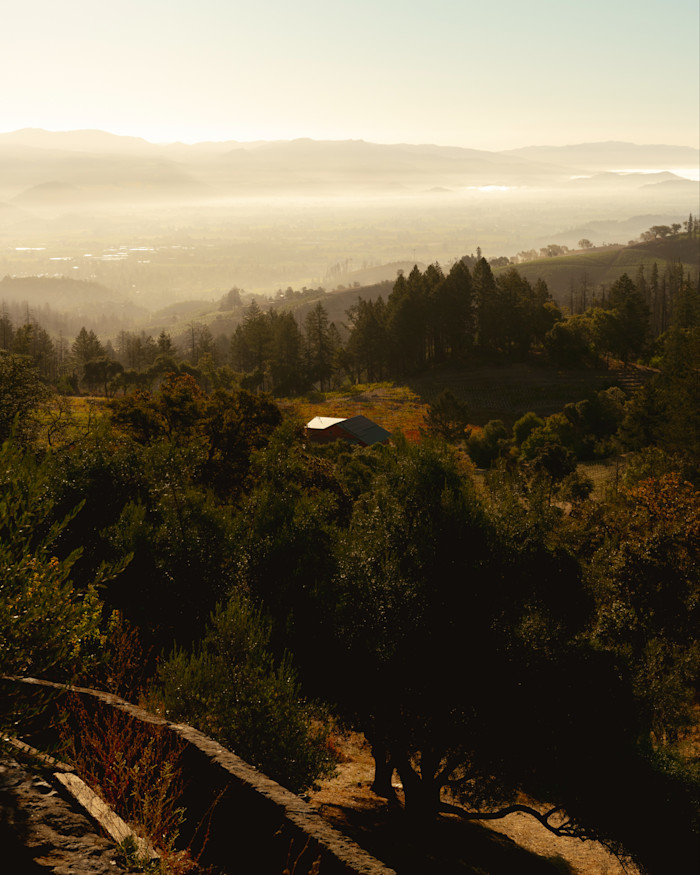
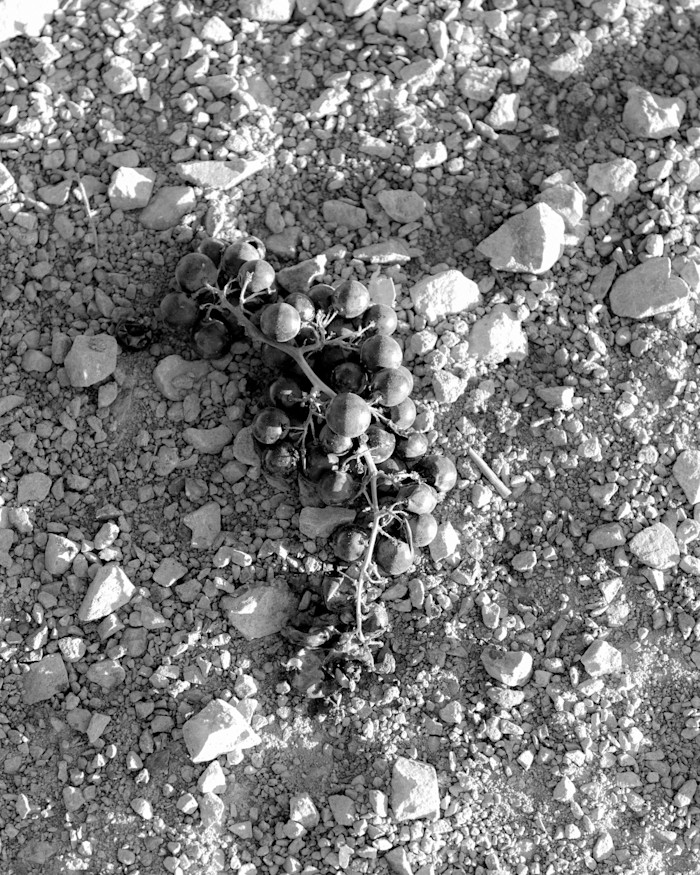
Even the very top end is hurting. At this year’s Premiere Napa Valley, the trade organisation’s auction for which top estates create rare bottlings, prices fell 39 per cent from three years ago, and not one bottle crossed $1,000 compared with 2014 when 12 did.
Rob McMillan is executive vice-president of First Citizens Bank. He has collected data from his bank’s borrowers for the past 26 years for his influential State of the US Wine Industry report and has been predicting a big dip since 2018, warning wineries to adjust or die. Too many tastings at wineries require appointments, last several hours, and cost too much, he believes — on average, $81 a person.
“The solution isn’t simply lowering their prices. It’s figuring out how to get people to come into the winery. We’re very late to adjust to that. I’m irritated. It was coming. It was obvious.”
Napa has perfected the luxury wine experience. There are pastoral views, accompanying small bites, servers who explain what you didn’t know you tasted.
Few do the wine experience better than Julio Palmaz, the doctor who invented the balloon-expandable heart stent. In 1997, he chiselled a winery into a mountain, carving an 18-storey building so the Cabernet Sauvignon could flow through the winemaking process by gravity alone, reducing its manipulation. Real-time fermentation data is projected on to the cavern walls. It is a winery that a Marvel villain should own. Every group at Palmaz Vineyards gets their own tasting experience, with their own guide and room. They also get seasonal hors d’oeuvres created by a 12-person team in a large kitchen.
Julio’s son Christian, who is the chief operating officer of Palmaz, is sitting in his office, which, like all offices here, includes a table for a formal tasting. When his sister Florencia, the CEO, enters, she asks her brother how much they charge guests for tastings. “$150? It’s outrageous! And it’s not a profit centre,” she says. No matter how much they charge, almost every winery loses money on their tastings due to labour and overheads. They hope to make it up in sales.
The first high-end tasting I ever went to was in 2016 at Inglenook, the Napa winery owned by film-maker Francis Ford Coppola. And I was wowed. The “experience” was a cross between a historic home tour and a theme park. I bought a $150 ticket from a booth, walked through the gates and was led by a docent with a name tag into an 1880s building with a collection of proto-film-projector zoetropes and a 1948 Tucker car from Coppola’s film, Tucker.
As we walked, my guide spun the tale of Finnish sea captain Gustave Niebaum, who founded Inglenook in 1879, and a young Coppola who was uninterested in growing wine on his new property until his neighbour, Napa legend Robert Mondavi, asked if he could grow grapes there for himself. “It was important to us to create tasting experiences and special events that align with the calibre of our wines and with the important place our estate holds in American culture,” Coppola tells me over email. “We wanted people to slow down and really appreciate our gorgeous wines.”
Coppola says he’s not concerned about his Napa investment. “Inglenook estate has already weathered many difficult eras from Prohibition and the Great Depression to the Great Recession and current climate challenges. For an estate built to endure for centuries, if not millennia, this current moment might indeed be just a dip.”
Thomas Keller has never seen a dip. The chef helped make Napa a high-end destination in the mid-nineties when he took over The French Laundry in the then-residential Napa town of Yountville. He did it by bringing fun to fine dining, starting the meal with salmon roe and crème fraîche presented like a tiny ice cream cone. He’s pleased that he can still attract young diners, but worries that Napa isn’t doing so. “Is Napa as exciting as it was in the ’80s and the ’90s, when this was new?” he says. “It’s become a little normalised. Now we expect this stuff, which is great because we’ve elevated the standards of our profession.”
Walking around Yountville, where six Keller-owned and several Keller-inspired restaurants now fill the streets, it does feel different. Whereas 20 years ago, a certain kind of cosmopolitan foodie douchebag might have stumbled around, a different one stumbles now. One who maybe owns a boat. One who, perhaps, is less interested in caviar than crypto. Napa has changed the way America has changed.
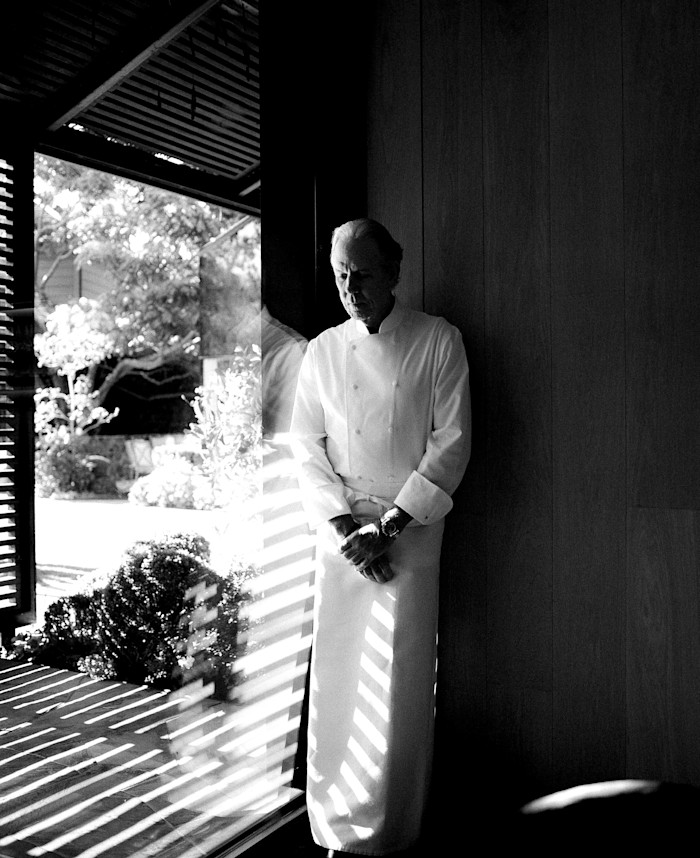
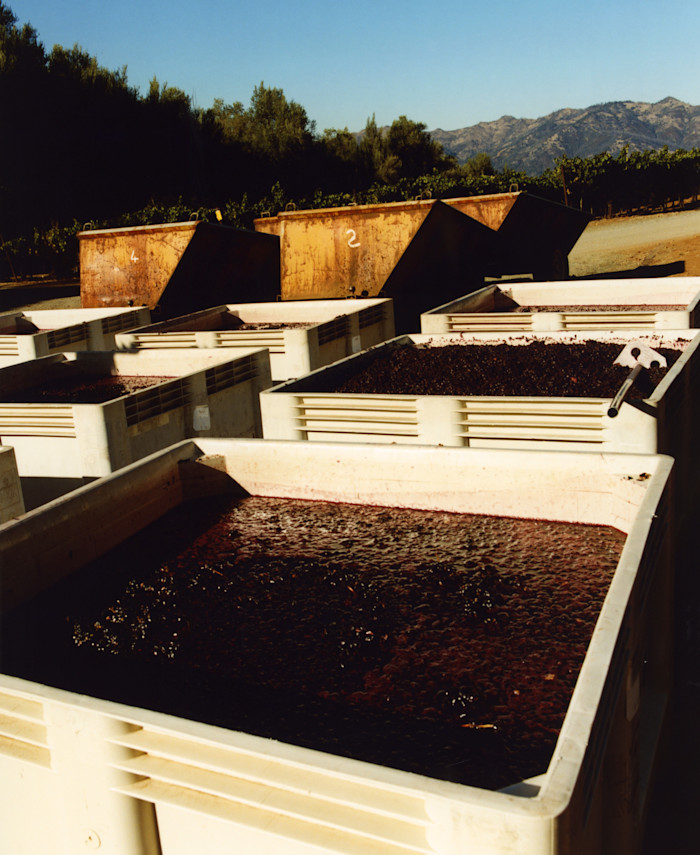
Fred Eppright is one of the rich guys who came to California in 2021 at the end of the boom. A luxury home builder in Austin, Texas, Eppright has a son who wanted into the business, so he created Parable, which buys grapes and makes reds that sell for up to $275 a bottle. “Owning a winery isn’t cool like it used to be,” Eppright says. “I don’t know a lot of people coming here. I see a lot of people leaving. I’m 90 per cent sure that’s going to accelerate. It’s like going to a rodeo. There’s a nine-second bull ride. Some people are going to get thrown off.”
Because he didn’t take on debt, Eppright says he’ll take his beating from the downturn and be one of the survivors. A Christian, Eppright feels sure that if Jesus conjured wine for a wedding, humans aren’t going to stop drinking it. “Marijuana is a room full of smoke and gummies that taste like dirt. I wouldn’t know. But I know it’s not a social thing.”
The “social thing” is part of the reason other wineries are finally heeding McMillan’s plea to bring in new customers. Turnbull Wine Cellars now gives Pilates classes on its vineyard, Clif Family Winery hosts a trivia night, Laird Family Estate shows outdoor movies, Whitehall Lane Winery offers pickleball and this summer Raymond Vineyards hosted “Napa Knockout”, a mixed martial arts fight, for charity.
The Napa wine experience can be traced back to legendary American winemaker Robert Mondavi, who in 1966 built the first winery in the valley since the 1930s. Mondavi came up with the idea of putting grape varieties on the label and in 1979 created Opus One, a joint venture with Baron Philippe de Rothschild, which was the most expensive American wine for the next decade.
After going public, the Mondavi company was taken over by beer, wine and liquor giant Constellation Brands. So Mondavi’s children Tim and Marcia founded a winery called Continuum situated near the top of the fabled Pritchard Hill.
Tim’s daughter Carissa is now working with her father. Walking the vineyards at Continuum, past a bust of her grandfather who died in 2008, Carissa notes that this year’s weather caused grape shatter, where many grapes didn’t mature, leading to a small crop — which she doesn’t mind. “If Mother Nature ever listened to what the market was asking for, it was this year,” she says. Even the smaller amount of wine they’ll make won’t all sell.
Sitting at a long tasting table with huge windows looking out on his vines, Tim blames Napa’s troubles on what he views as the generic, overpriced experience being offered by many wineries. “It used to be that luxury was scarcity,” he says. “We are on the horns of a disaster. Schrader at $800 a bottle? That must mean it’s really good. Well . . . is it? On this hill, I have to hang my head low around my neighbours because we’re bringing the prices down,” he says, about his $350 wine.
Luckily, Tim has to drive down a different road to leave Pritchard Hill than Ann Colgin does. A bulwark of Napa luxury, Colgin stands in front of a Tesla with the licence plate “VNTNER”, wearing white pants and a blazer embroidered with birds. LVMH bought 60 per cent of Colgin Cellars in 2017. “It all started at a lunch in St Barths,” she explains. Someone at a birthday party convinced her to talk to LVMH CEO Bernard Arnault. “He said, ‘You have art in common,’” she says, conspiratorially touching my arm and adding, “I don’t have anything in common with Bernard Arnault.”
They came to terms quickly. “I never wanted to sell the brand to an Asian investor or a hedge fund. I don’t want to make wine glasses that are in Target,” Colgin says, walking by a collection of basketballs and footballs signed by seemingly every great athlete, all of whom have visited the vineyard. LVMH added Colgin Cellars to its Vins d’Exception group, along with Château Cheval Blanc, Château d’Yquem and Clos des Lambrays. As she sips her wine at an outdoor tasting table overlooking her vineyards, Colgin expresses sympathy for her neighbours who are struggling. “Maybe some of the places that were planted should not have been planted,” she says.
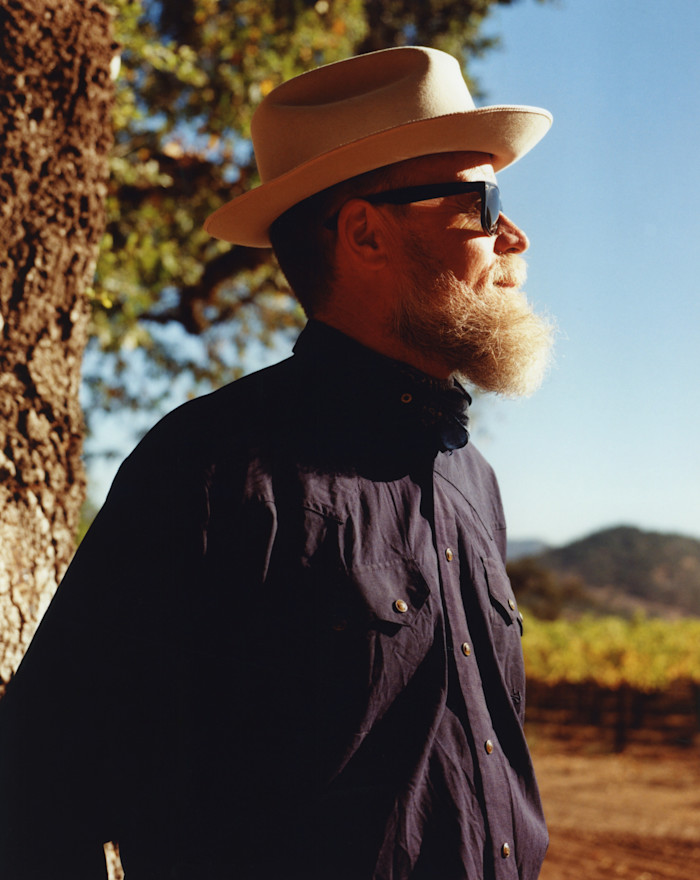
She’s probably right, especially for the newer luxury Cabernet Sauvignon vineyards. But Bruce Phillips’s family has owned Vine Hill Ranch, one of the most prized vineyards in Napa, since 1884. You can point to any spot on the property and Bruce can tell you a story about something his dad or grandfather did or said there. A smiley, bearded guy who once worked for Constellation Brands as its director of IT strategy, Phillips knows how the valley has changed.
He’s been getting calls about vineyards for sale. “It’s a buyer’s market. If some guy is over his skis, you should grab it. The last thing we want is for private equity to grab those assets for hospitality.” By hospitality, he means focusing on the wine experiences over the wine itself. “That shouldn’t be what you’re hanging your hat on.”
David Duncan, the executive chairman of Silver Oak (which owns Silver Oak, OVID, Twomey, Timeless and Prince Hill), has also been getting offers. He’s eating a salad at Charlie’s, the toughest reservation in town. Duncan says he isn’t considering buying any troubled wineries, partly because he doesn’t think the market will bottom out for at least a couple of years. But he’s also worried about the medium term.
“I have three kids in their twenties, and they have no interest in drinking like we did. If you’re not socialising in the same way, you’re not drinking wine. It’s a systematic, seismic shift,” he says. “We’ve been through this before. But this is the worst correction I’ve seen. The difference with this one is that wines have gotten very expensive.”
Driving his old Kawasaki all-terrain vehicle up his steep vineyard, with his white beard and Patagonia vest, Stu Smith is the last hippie on Spring Mountain. He came here with his brother in 1970, paying $500 for an option to buy this forest before it was invaded by, as he would put it, “the goddamn rich people”.
“We would party hard and talk industry and help each other. There’s not much of that any more,” he says. Once a month, remaining members of the Gonads (Gastronomic Order of the Nonsensical and Dissipatory) greet each other with “How’re they hanging?” and complain about how Napa lost its soul.
Pulling the ATV up to the winery, he greets François Bugué, his tooth-challenged French associate wine-maker who is having lunch at a picnic table with his assistants, sharing a bottle of Smith’s Riesling, which sells for $40. His Cabernet Sauvignon is $70. “When I started, the wine quality was way out in front of the wine price. Today, the wine price is way out in front of the wine quality,” Smith says. The only way to fix the current economic situation is to lower prices, which he says no one is willing to do yet.
Nick Kokonas, 57, one of the newest of the “goddamn rich people” to buy property nearby, agrees. “We hit a high-water mark with pricing, and there’s a reluctance to move prices down.
I don’t understand that. It’s an agricultural product. The price of wheat and soyabeans goes up and down,” he says. He points out that Château Lafite Rothschild, one of only five first growth Bordeaux, which was offered en primeur for €834 in 2022, dropped to €288 in 2024. In Napa, where the prices of wine bought directly from the winery don’t tend to change by vintage, owners fear that throwing a sale means exiting the luxury market.
A former derivatives trader who co-owned the Chicago restaurant group Alinea with chef Grant Achatz before selling his Tock restaurant reservation system for $400mn, Kokonas is similarly dismayed by all the $150 tastings. “I’m to fault for that,” he says. “Tock was telling wineries in 2017 that you should be charging for your library wine experience. People forgot it was important to give away some of it for free and create your next generation of wine drinkers.”

In 2023, Kokonas and his wife made an offer on a 44-acre Napa vineyard and house. He offered far below the asking price and got it without a counter-offer 15 minutes later. Sipping an espresso and walking past a tennis court, a pond and a vineyard he’s completely replanted, Kokonas is bullish. “I started out as a trader. When you see everyone flip to negativity on something people have been doing for several thousand years — I think it’s a generational opportunity,” he says.
He notes that tech executives are also buying in Napa, including OpenAI CEO Sam Altman, who reportedly bought a 950-acre ranch for $15.7mn in the admittedly less bargain-filled era of 2020.
Then there’s Hayes Drumwright, an early investor in Anthropic, who has bought three high-end Napa wineries — Memento Mori, Vida Valiente and Edge Hill. A millionaire by 28, who then went bankrupt at 29 in the dotcom collapse, Drumwright says he’s learnt that while all business is cyclical, those who don’t innovate during the dips don’t survive. “From what I hear, in the next six months there are 10 more coming that are going to be insane,” he says of impending winery bankruptcies. He’s courting the new AI millionaires. “I’ve already reached out to event coordinators in those companies and asked if they want to host executive retreats at our estate,” he says.
The same construction crew that is completely rebuilding Kokonas’s giant house is also working for him in downtown St Helena, where he’s opening a wine bar called Elsewhere this month. Wine, Kokonas insists, isn’t a dying business. “During Covid, people became alcoholics sitting in their basements watching Netflix all day. Including me. And now you’re bitching because it went down? Nothing goes up and to the right for ever.” While he’s waiting for his vineyards to fruit, he says he’s been able to buy grapes for as little as one-fifth of what they cost at their height, which will help him with his goal of selling a Cabernet Sauvignon for under $80.
This is Napa’s version of Bordeaux’s price variation by vintage. The same way that luxury fashion houses used to bury and now shred their excess inventory, a lot of great wine is being sold by the barrel to generic labels at Trader Joe’s and Costco, or being offloaded cheaply to cruises and airlines, where the travellers having their glass filled have no idea the winery has cut its prices.
Some of it is sold to Cameron Hughes. Last summer, Hughes launched Cam X Wine, his business buying bulk wine from barrels, putting his own label on it and then selling it on for between 70 and 90 per cent of what the wineries would have charged. Wineries call him to solve what is known as “Château Le Cash Flow”, the capital needed to pay for each new vintage. “Traditional banks aren’t lending to wineries right now. When they need to bottle their wines, they sell part of it to me,” Hughes says. In 25 years in this business, Hughes has never seen this opportunity, scoring wine from cult producers that traditionally had years-long waiting lists. “I think this is a cycle, but a really, really hard one,” he says.
My friend Dave Gibbs, who was in the band Gigolo Aunts when he was a teenager, loves wine. In 2015, he opened a wine bar in Los Angeles called Augustine. He was always pushing old Napa wines on me, including Ritchie Creek, one of his favourites. When the winemaker and owner, André Minor, was killed at the age of 38 by a falling tree while working on the property in 2023, his wife asked if Gibbs would be interested in buying it. He found some investors and is now, to his great shock, a Napa Valley vintner, whose first vintage will be released in 2028.
He’s part of a coterie of younger owners whose goal is to make wines that taste specific to the land. “I think people have ripped out a lot of vineyards when they should have replanted them. This was an opportunity to get it right,” he says. He’s planning to sell his Cabernet Sauvignon for $150 along with a cheaper second-tier wine to try to entice people who can’t afford a more expensive bottle.
It’s not just the entrepreneurs who believe in Napa’s future. Chanel, which owns three Bordeaux wineries and Napa’s St Supéry, bought Rudd Estate in April. And there’s still enough glamour in the valley that Netflix bought Uncorked, a show about Napa scheduled for the end of 2027 and produced by Darren Star of Sex and the City.
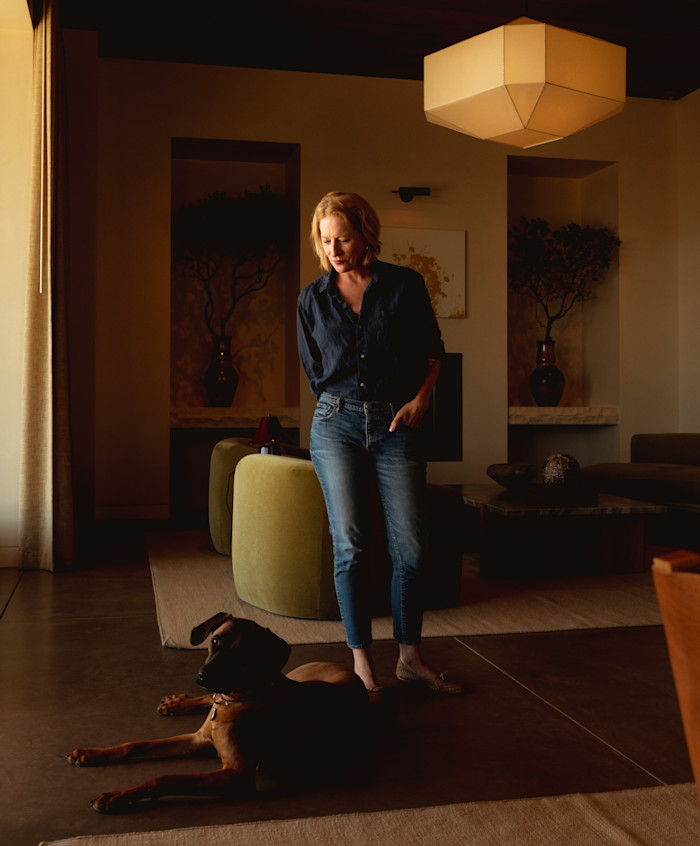
Uncorked’s writer, David Schulner, became a sommelier during the 2023 writers’ strike and worked up an idea he originally called Somm in the City. He thinks Napa is as vibrant as when he first rode a bicycle up from LA when he was a full-time waiter 25 years ago. He arrived at Silver Oak, muddy from sleeping outside, and was offered a free tasting because he was in the restaurant industry. Last year, as part of his research for the show, he found that magic once again at MacDonald Vineyards, which is perhaps the most sought-after wine in Napa right now, with a 14,000-person waiting list for its allocation. “They have a little shack with a little tasting table outside. I had a tasting at 10am. Alex had woken up at 4am to decant and then went back to bed,” he said.
When I show up at that same tiny guest house, Alex MacDonald has decanted nothing. Instead, he takes me out to the vineyard. His family has owned the land since 1954 and sold their grapes to Robert Mondavi under a handshake contract for decades, until Constellation bought Mondavi. Then, in 2009, Alex and his brother Graeme started buying some of the grapes from the family plot to make their own wine, MacDonald Wines. As I walk the vines, I pretend to be interested in viticulture for the 20th time on this trip. Only now, I actually notice something: the MacDonald vines right next to Opus One’s vines look different. Wild. Overgrown. Spaced apart. Not optimised.
Alex and Graeme have to charge $225 a bottle to make a profit — they pay full price to their family for the grapes. This, they feel, is not ideal because of the kind of people who now buy Napa wine. “You either cater to that uber-wealthy customer who wants it as a trophy or those who are passionate about our wine. And one is going to survive the recession,” Alex says. The competition to be the trophy wine, he says, has got stupid. While there are five first-growth Bordeaux as fixed by the famous 1855 classification, there are hundreds of ultra-luxury Napa vineyards. “Robert Mondavi said that a rising tide lifts all boats. He didn’t count on twelve hundred boats.” Alex was priced out of the area for his own wedding. “It was cheaper to rent a villa in Tuscany and host 25 of my friends than having a one-day party in my own vineyard in Napa,” he says.
Napa’s economy has evolved from K-shaped to one shaped like a driver in a golf bag. The average hotel room in the valley is $425 — one-third higher than in 2019, even though occupancy is under 65 per cent. Day visitors now make up two-thirds of Napa tourists, and many of them never even make it to wineries. Instead, they go to the new, cheaper, faster, funner tasting rooms in downtown Napa, which account for an estimated 40 per cent of all tasting capacity. They’re having a wine country vacation without ever seeing wine country.
Will Phelps no longer has a winery. But he is still making wine. Phelps, who looks something like a Christian Bale character without a dark side, is wearing a Rolex Submariner Black Dial as he pours his Hensel West Proprietary Red ($200) a few weeks before its release. He makes the wine with grapes he’s able to get from growers who have long worked with his family. With no tasting room of his own, he’s bringing clients to his buddy’s two-year-old members-only Napa Valley Car Club, where the bar sits next to a Rolls-Royce and a McLaren.
Eighteen miles away at the winery his family sold to LVMH, and where Will continued to work as director of vineyard operations until March 2023, older clients are calling up to be taken off the membership list. The Boomers’ cellars hold more wine than the actuarial tables say they have time to drink, according to David Pearson, the executive chairman of Joseph Phelps Vineyards.
Back when he was chief executive of Opus One from 2004 to 2020, Pearson started to worry about how Napa was changing. “My fear that has come true is that Napa would become known as a great tourist destination that makes wine. And the valley might make more money that way,” he says.
The market warped Napa into the Disneyland of wine, where the rides are more important than the product. “Some people say it’s cyclical and it will come back,” he says. “They’re wrong. Sure, we’ve become too self-important and too detailed. That can be fixed. But what is tectonic is that for 30 years, we have been selling to Boomers.” All that Covid purchasing, when the main constraint on shipping bottles was the lack of cardboard boxes, only shrouded the demographic cliff. “The mistake was thinking it was real business.”
Standing on the balcony of his office in that redwood building that used to serve as the winery and is now a tasting experience, Pearson looks down at the terrace where Joseph Phelps had his 80th birthday party. People are relaxing on outdoor tables, enjoying either a $120 tasting or one matched with food from the kitchen for $220.
Pearson wants to change all of this. Joseph Phelps will be the winery he’s dreamt about. Those red blotches that arrived after the Phelpses sold were caused by a fast-spreading virus that was first detected in Napa in 2008. It has attacked the valley’s vines in the past few years, reducing sugar levels and seriously suppressing the ripening process. All the vines affected had to be pulled out.
Pearson is planting the new vineyard according to the rules of regenerative farming, where he says the vines, interplanted with other crops on an animal-filled farm, could last 100 years. He is also spending $2mn to improve the tasting experience, which will involve stops in the fields where customers pick from the fruit trees, sample grapes and gather eggs from the henhouse that they’ll then cook in the kitchen with the chef. The regenerative farm is artfully designed with a membrane of plants delineating each section.
The new shoots are starting to sprout from the roots, signalling the beginning of another era in which Joseph Phelps Vineyards will look as nature intended, if nature hired 1,000 gardeners. The drive along the low stone wall up Taplin Road to a winery built out of local redwood promises a Napa Valley that will never change.
Find out about our latest stories first — follow FT Weekend Magazine on X and FT Weekend on Instagram