Ukraine’s European allies said they would seek to increase economic pressure on Russia after Donald Trump’s surprise diesel deal with Moscow.
Trump shocked Kyiv and its allies on Saturday by suggesting that Volodymyr Zelenskyy should be replaced as Ukraine’s leader, just hours after announcing he had cut a deal with Russia’s Vladimir Putin to release diesel on to the world market.
Trump is keen to bring down the price of fuel, which has soared largely as a result of the US-Israeli attacks on Iran in the spring.
Britain’s defence secretary Wes Streeting described the deal as a response to looming midterm US elections and called on Ukraine’s allies not to “weaken” their resolve.
“Let’s be candid about this. Midterms are coming up, cost of living is an issue,” he said. “No doubt President Trump is feeling the same pressure that lots of leaders are facing.”
US President Donald Trump tells Ukrainian President Volodymyr Zelenskyy to stop bombing Russian refineries and calls for a 'new leader' of Ukraine
Streeting said Britain wanted Ukraine’s western allies to increase pressure on Russia, including through economic sanctions. “The UK intends to do more in this respect,” he said. “We are trying to increase economic pressure on Russia, not to give President Putin any sense of a weakening of western resolve, which remains absolute.”
Zelenskyy is expected to meet Andy Burnham “in the coming days” and the UK prime minister will double down on his support for the Ukrainian leader, according to Downing Street. Zelenskyy’s office confirmed he would head to London in the coming week.
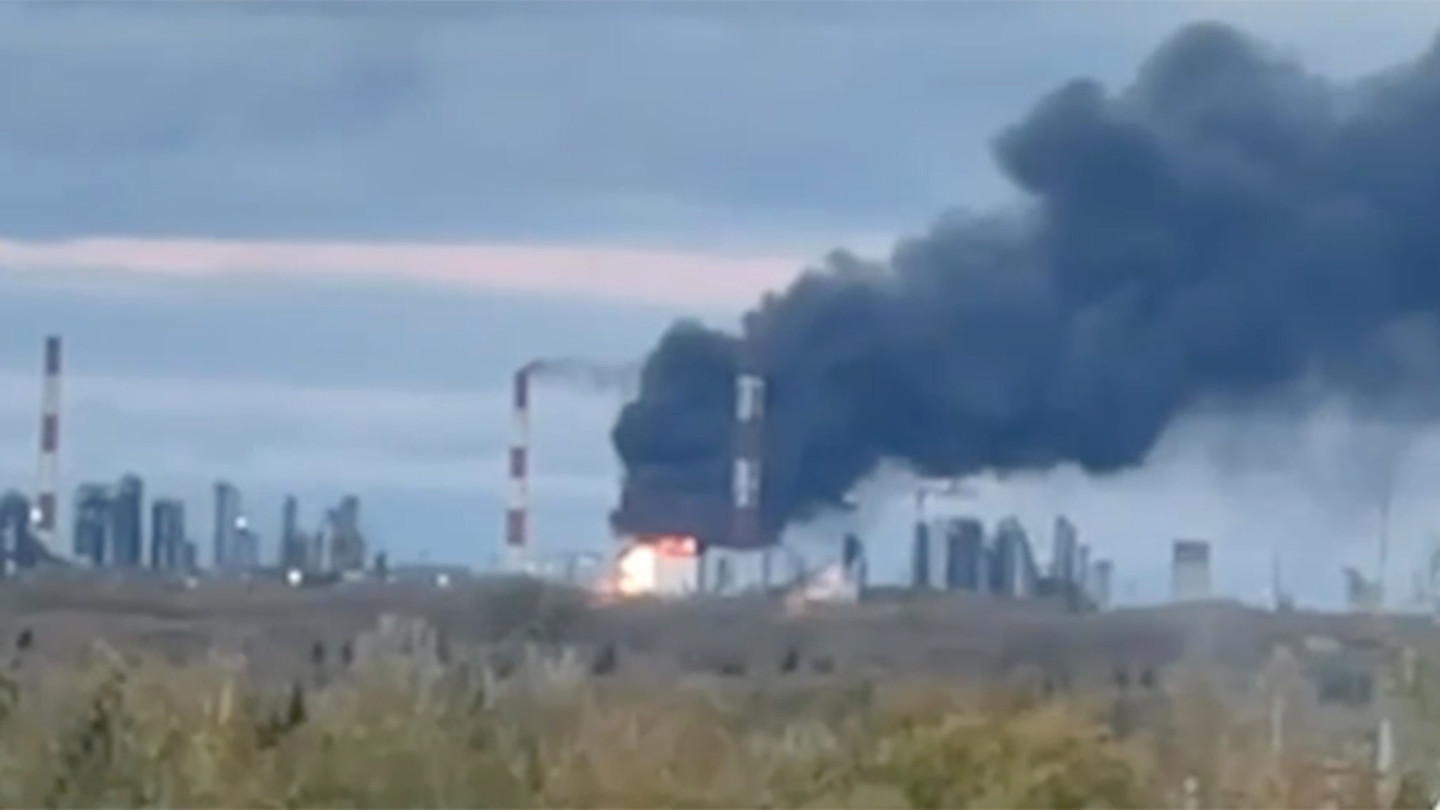
The fresh diplomatic initiative comes after Trump hit out at Zelenskyy in a public display of frustration at Kyiv’s refusal to pause its campaign of strikes against Russian energy infrastructure. US officials have threatened to cut off intelligence sharing· if Zelenskyy does not stop hitting Russian oil refineries.
“I suggest they get a new leader who can make a [peace] deal,” Trump told reporters on Saturday.
Trump’s remarks were met with shock, if not surprise, in Kyiv given his tendency to shift positions on Ukraine, which relies heavily on the US for political and military backing.
Angry and frustrated Ukrainians took to social media to accuse the US president of misunderstanding Putin, acting as a “useful idiot” for the Russian leader or working in concert with him to force Kyiv to capitulate.
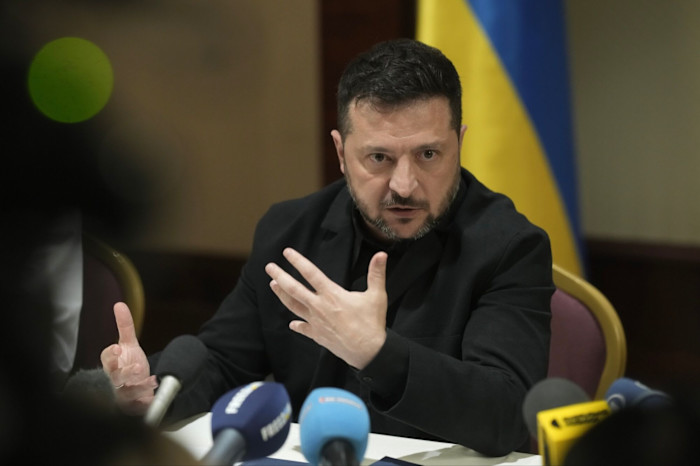
Zelenskyy issued a highly critical initial response to Trump’s announcement of the diesel deal with Putin on Saturday. But he largely held his tongue over the call for him to be replaced. On Sunday he said that Ukraine would halt its strikes if Moscow made a reciprocal deal.
“The real cause of the war in Europe is Russia and Russia alone,” he said. “It is possible to stop strikes on energy infrastructure as early as today, but Putin does not want to do so . . . Any de-escalation steps must be reciprocal and backed by real guarantees.”
In Ukraine, there was widespread support for Zelenskyy, echoing previous occasions when Trump’s attacks caused Ukrainians to rally around their leader — for example after the notorious Oval Office row in February 2025.
Elections in Ukraine are legally suspended during martial law under the country’s constitution, so there is little prospect of Zelenskyy being voted out of office in the near future.
“Zelenskyy could respond by saying that the US needs a new president first and foremost. But why say that? Everyone already knows that,” said Serhiy Fursa, a Ukrainian investment banker. “Therefore, it is better to simply remain intelligently silent.”
Kyiv persisted with its air campaign against infrastructure deep inside Russia on Sunday with a drone attack that shut down a data centre run by technology giant Yandex. It was the third strike on the company’s facilities in four days.
NetBlocks, an internet monitoring group, said it had registered a “collapse in the [Yandex] networks” after the attack.
German foreign minister Johann Wadephul said that Putin needed “not less, but more pressure” placed on him to force him to the negotiating table. He did not directly address Trump’s call for a new president in Ukraine. But he said that Berlin, which is the single biggest supplier of military support to Kyiv, would remain unwavering.
“We very clearly continue to stand by Ukraine’s side — and, incidentally, also by the side of the [Kyiv] government,” he said. He added that Germany would “fully support the [Ukrainian] president as he carries out the difficult duties of his office”.
Alice Weidel, co-leader of the far-right Alternative for Germany (AfD) which is leading German opinion polls, heaped praise on Trump for the deal. “That’s how it’s done!” she wrote on social media. Weidel, whose party opposes weapons deliveries to Ukraine and has called for the lifting of sanctions on Moscow, said that Trump was practising “realpolitik”.
In Italy, Trump’s diesel deal with Putin has reopened the bitter political debate over the boycott of Russian energy, which has contributed to high energy prices as Italy is still heavily dependent on gas.
On Sunday Italy’s defence minister Guido Crosetto appeared to criticise Trump’s decision, describing Russia’s attacks on Ukrainian civilians as “evil”.
He said: “It’s hard for me to understand how one can be equidistant between Ukraine and Russia, because being equidistant between good and evil is, in my view, impossible.”
However, former military general Roberto Vannacci, leader of the fast-growing far-right National Future party, called for Italy to follow Trump’s example and restart Russian diesel imports.
“Trump has chosen the Vannacci line — Italy should do the same,” he wrote on social media. “The government should stop following von der Leyen, stop funding Ukraine and should pursue the interests of Italians. We must buy energy from whoever sells it to us at the lowest price.”
Additional reporting by Laura Pitel in Berlin and Amy Kazmin in Rome