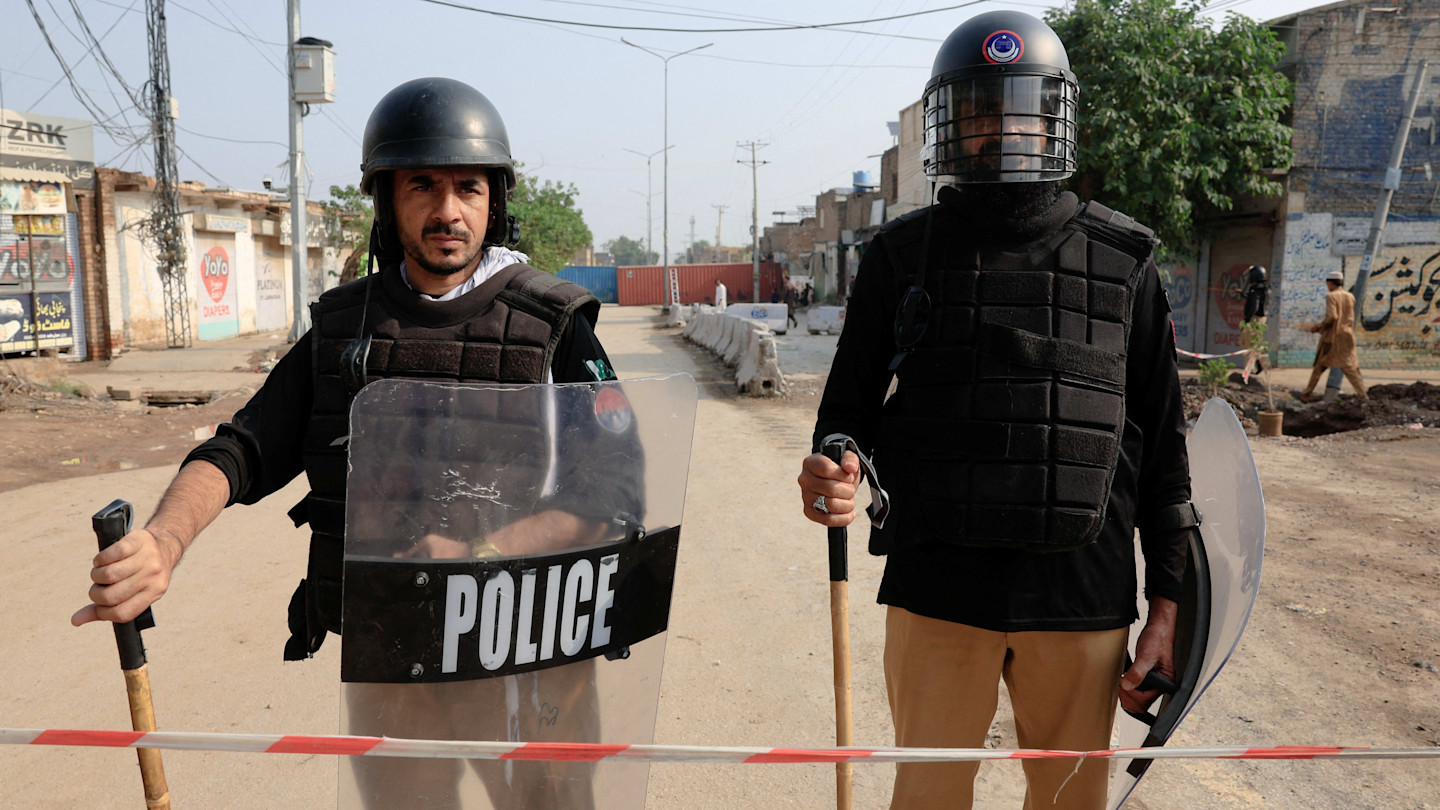
Pakistan has declared a state of emergency and imposed governor’s rule in the western province of Khyber Pakhtunkhwa, suspending the provincial government led by the party of imprisoned former prime minister Imran Khan.
The move on Sunday marked the biggest escalation yet by the military-backed government against Khan’s Pakistan Tehreek-e-Insaf party (PTI) in its stronghold, a province of 40mn people that is at the centre of the country’s security crisis.
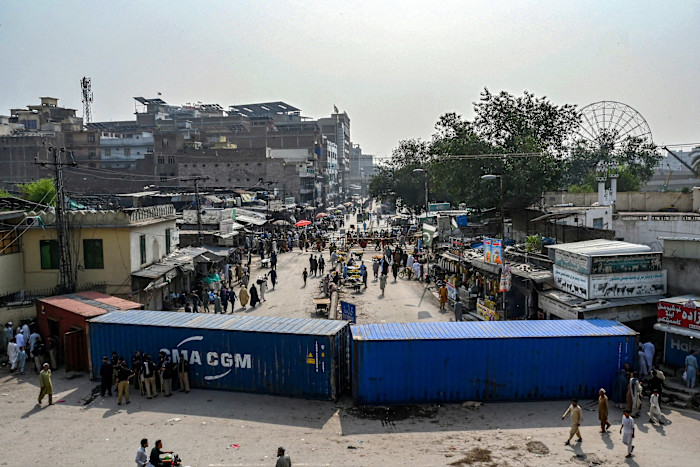
Since early October, thousands of people have been demonstrating in Khyber Pakhtunkhwa to demand the former prime minister and international cricket star’s release and to oppose the military’s counter-insurgency tactics along the border with Afghanistan.
The government said its emergency order was needed because of the security situation in the province, where militants aligned with the Tehreek-e-Taliban Pakistan, an ideological cousin of the Afghan Taliban, have killed thousands of security personnel and civilians in recent years.
“The Cabinet took a detailed review of the deteriorating law and order situation in Khyber Pakhtunkhwa and the circumstances arising from the provincial government’s deliberate indifference in the war against terrorism,” the office of Prime Minister Shehbaz Sharif said in a statement.
“The Cabinet proposed to the Prime Minister that he advise the President of the country to impose an emergency in the province of Khyber Pakhtunkhwa.”
While the federal government said the suspension was caused by a worsening security situation and the provincial government’s lack of action, statistics gathered by the Centre for Research and Security Studies, an Islamabad-based think-tank, suggest a fall in deaths of civilians and security personnel in Khyber Pakhtunkhwa.
Such killings in the province totalled 485 in the first nine months of 2026, down 16 per cent compared with the same period in 2025, according to the CRSS, which says overall deaths of civilians and security forces across Pakistan rose 9 per cent.
The office of President Asif Ali Zardari said he had followed the prime minister’s advice on the emergency declaration, linking his decision to a “failure of negotiations” between the government and the province’s PTI leadership.
The order puts control of the province under the governor, an official directly appointed by the federal government.
Pakistan’s army would deploy forces to the province to assist in administering it and to protect public property and government installations, the interior ministry said. Talal Chaudhry, junior interior minister, told the FT the move was a “routine measure” that was intended to assist provincial authorities in “carrying out their responsibilities, especially [in] fighting against terrorism”.
Shortly after the emergency announcement, the account on social media site X for Junaid Akbar, a member of parliament and the president of the PTI’s provincial chapter, said he and Sohail Afridi, the 37-year-old provincial chief minister who was leading the protest march, had been arrested.
Afridi, Pakistan’s youngest-ever chief minister, hails from the country’s fractious tribal belt on the border with Afghanistan and has for days led a “long march” through the province to advocate for Khan and oppose the army’s military operations over alleged collateral civilian deaths and damage.
“There is no option other than accepting our demands,” Afridi said in a post on X hours before his government was suspended.
“We will not back down,” he said. “Our long march will continue until the demands are met, in accordance with the law. Here, only Imran Khan’s policy will prevail.”
Pakistan’s interior ministry and armed forces did not respond to requests for comment.
Khan’s party has ruled Khyber Pakhtunkhwa since 2013, and the PTI secured more than 60 per cent of seats in the provincial assembly in elections in 2024, two years after his premiership was ended by a parliamentary no-confidence vote.
The former World Cup-winning cricket captain is widely seen as the country’s most popular politician, and analysts said his party would handily prevail in a competitive general election.
Candidates loyal to Khan won the most seats in the National Assembly in 2024, but they were blocked from power by the military and Pakistan’s two dynastic political parties.
“The arrest of Chief Minister Sohail Afridi and Junaid Akbar has exposed the political nature of the government’s actions,” PTI spokesperson Sheikh Waqas Akram said in a statement. “These measures are not directed at addressing security challenges; they are intended to weaken PTI, undermine the elected government of Khyber Pakhtunkhwa and disregard the democratic will of its people.”