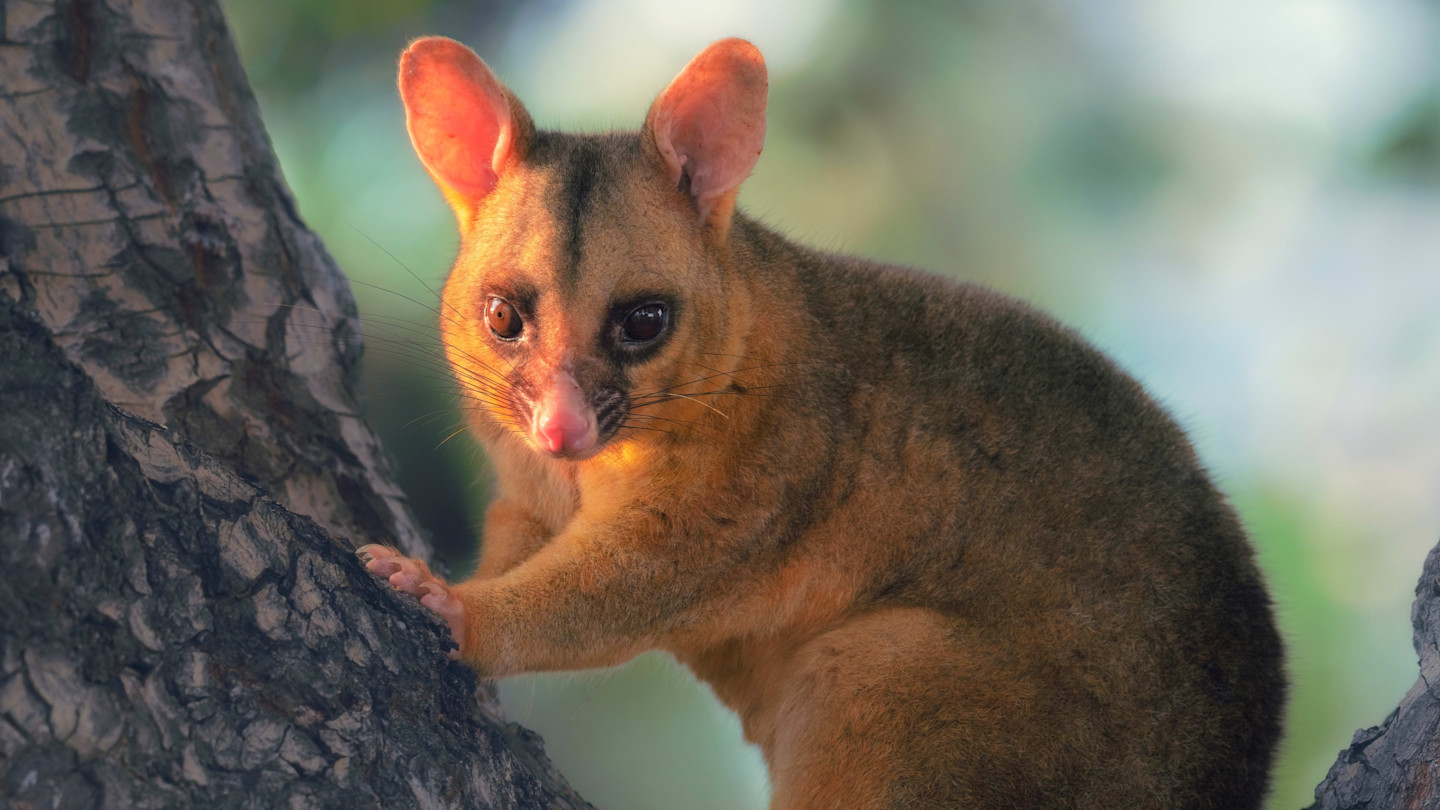
When I was eight years old my father called me to our garden in suburban Melbourne and showed me the corpse of a small possum that had electrocuted itself on the power lines. Rather than bury it, we decided to keep it, drying out its pelt in the microwave and then stuffing it. Percy the possum stared out at visitors from its own shelf for over three decades.
The brush-tailed possum, a rambunctious marsupial, is treated with respect in its native Australia. These nocturnal beasts, which lent their name to Dame Edna Everage’s famous greeting, have found comfortable homes in the roofs of thousands of houses and sheds in Australian cities.
Despite a few unsavoury habits, including banshee-like screeches and noisy rooftop dust-ups, the possum is a protected species here. Evictions must be handled by a specialist who removes the animals to be released into the wild.
Not so in New Zealand. Over the ditch, the possum is ranked alongside feral cats, stoats and rats as a pest to be eradicated.
New Zealand has no native mammals — only birds and lizards. When possums were introduced in the 1800s as a source of food, leather and fur, there were no predators to keep numbers in check. About 30mn now live in the country, destroying trees and eating the local fauna, including the eggs of the loveable kiwi.
Hunters poison and trap up to 2mn possums a year and have spun their business into a cottage industry. “Possum merino” available in the form of ponchos and other clothing is now one of the most popular local products in airport duty-free stores and high-end outdoor wear shops in Auckland and Queenstown. The New Zealand Fur Association estimates that possumwear generates NZ$150mn of sales a year and supports 1,500 workers.
New Zealanders argue that possum fur is ethical because the animals are not farmed. They also point to an appealing quirk that makes it good for clothes: the fur is hollow — a feature shared with polar bears. That means it is soft, lightweight, never freezes and repels water. “Lovely stuff,” says Ross Goodin, who is managing director of Lothlorian Knitwear in Pukekohe, one of the largest possum-merino producers.
But the burgeoning possum vertical comes with one fatal flaw — the raw material will run out if New Zealand’s “Predator Free 2050” eradication plan proves effective.
Could Australia fill the gap? The ethical fur argument may chime with proponents of K-leather — the kangaroo skin used in local soccer boots that is a byproduct of necessary culling. About 1.5mn macropods — including kangaroos, wallaroos and wallabies — are harvested commercially every year in Australia, according to the Australian Wild Game Industry Council. Most kangaroo meat ends up in dog food, a fate that also awaits many of New Zealand’s possums.
There is precedent. Tasmania already has a small possum industry due to an abundance of the animals in the island state. And Australia has dabbled with using the fur of beloved native animals in the past. The children’s book Blinky Bill, written by New Zealand-born author Dorothy Wall, begins with a harrowing scene in which a koala is shot by a hunter and left “riddled with bullets hanging helplessly from the tree-top” to die in front of his family. The book then tells young readers that between 1920 and 1921, more than 205,000 koalas were killed for their fur and sold internationally as “wombat”.
This, however, was not a popular decision. Australia outlawed the practice by 1930 because the koala population was almost wiped out. Their numbers have never recovered.
For now, mainland Australian possums can sleep easily in their spherical nests.
Bethany Kiss, an academic at the University of Melbourne, believes the marsupial’s presence should be celebrated as an important reminder of biodiversity for a new generation of city kids. By living alongside us they serve a purpose that is even more valuable than the price of their fur. “Houses with possums feel less lonely,” she says.