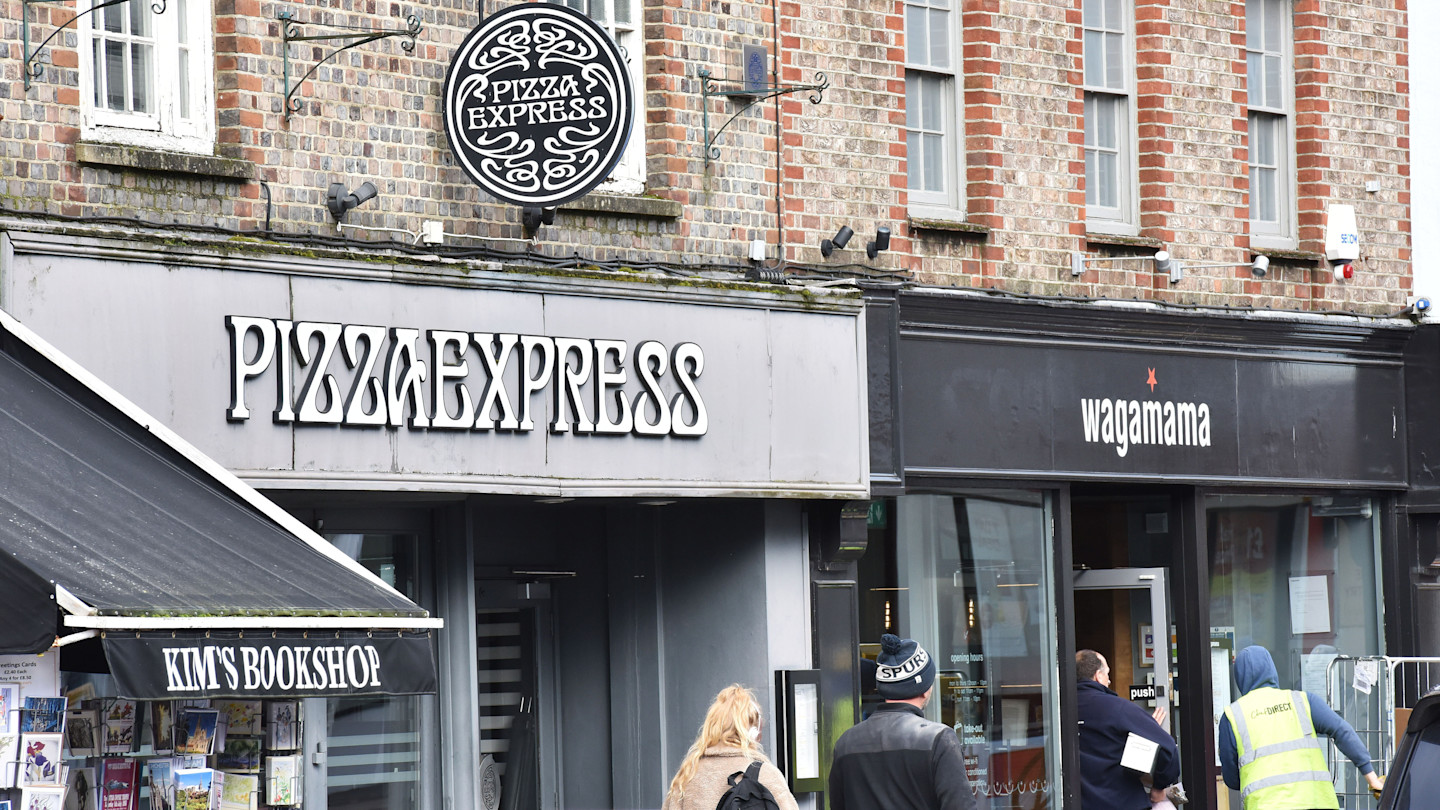
Private equity groups are seeking to offload some of the UK’s best-known high street brands, including restaurant chain PizzaExpress, supermarket Morrisons and sushi group Itsu, as dealmaking returns in consumer industries following years of turbulence.
Last week the US buyout group Sycamore struck an $8.9bn deal to sell health and beauty chain Boots to Canada’s billionaire Weston family, which bankers said could herald further dealmaking activity on the UK high street.
In recent weeks, the FT also reported that UK-listed Sainsbury’s had held takeover talks with its private equity-owned rival Morrisons and that PizzaExpress had tapped bankers to explore a sale.
Other private equity-backed UK chains exploring transactions include luxury gym group Third Space and Itsu, while bookshop Waterstones has been eyeing an initial public offering. The owners of Poundland are also seeking to sell the struggling UK discount chain.
“We’re now seeing the kind of activity that we haven’t seen in a while and that is set to continue into 2027,” said Thomas Christl, a consumer and retail banker at BNP Paribas.
While the British economy and consumer sentiment remain tepid, a stabilising market coupled with private equity groups’ need to offload ageing investments is driving investors to explore sales of such assets.
The total value of UK target retail dealmaking has topped $10.1bn this year across 54 transactions, according to data from Dealogic, up from nearly $5bn across all of last year.
“The level of activity is certainly higher than we’ve seen it for a while. It remains to be seen how many more transactions are announced,” said Shirav Patel, Morgan Stanley Emea head of retail investment banking, who advised the Canadian buyers of Boots.
Many of the assets now being sold were purchased around the time of the Covid-19 pandemic, when lockdowns dramatically altered consumer behaviour and lower interest rates led to a surge of takeovers.
However, in the ensuing years private equity investors have cooled on consumer businesses as they search for faster-growing or more stable assets.
“It all depends on how those businesses are performing. The big question people will be asking themselves on some of these assets is how sustainable the profits are and where the growth will come from,” said Majid Ishaq, global head of retail, leisure and sport at Rothschild & Co, who advised Boots on its sale.
Investors and bankers said that strong brands with different options for expansion were the most attractive to suitors.
The UK’s macroeconomic outlook has been subdued. Although consumer confidence hit a two-year high in September, climbing one point to minus 13 according to the GfK’s consumer confidence index, the overall mood is negative, with high inflation and low growth weighing on Britain’s economy.
“Nobody is bullish on UK consumer,” added one London-based private equity investor. “The dynamic has been incredibly challenging.”