Nato members should prepare a robust response for a possible deadly Russian “hybrid” attack, Poland’s foreign minister has said, as concern grows about Moscow’s escalating sabotage campaign on European soil.
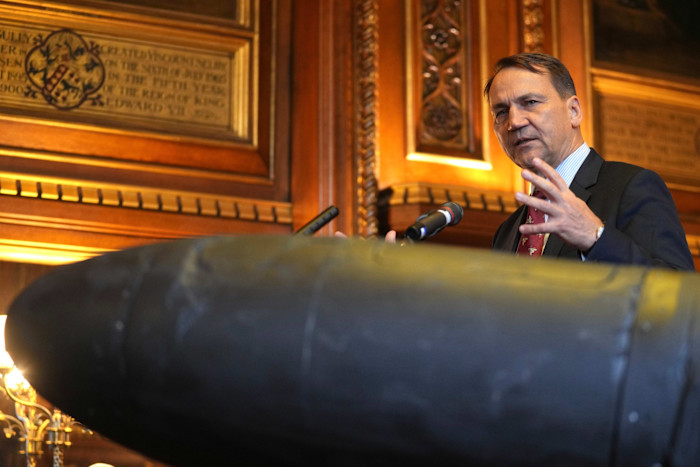
Radosław Sikorski told the FT that the likelihood of someone being killed was growing as Russia multiplied its operations to disrupt and destabilise European societies. But he admitted the alliance would have to make a “judgment” on how to respond.
“The question is what constitutes an attack, a cross-border attack, and as long as it’s property . . . it’s one thing, but if people start dying, then we’ll have to have another very serious conversation at Nato.
“When will we make a judgment that the Russians have come too far? Because it is a judgment. You know, there is no agreed prior definition.”
Sikorski declined to elaborate on how Nato should retaliate for a fatality but noted Poland and Estonia invoked the alliance’s Article 4 — a request for high-level consultations — after airspace violations by Russian drones and fighter jets, implying it would need to do more.
Nato’s Article 5, the mutual defence clause, can be invoked if a member state comes under armed attack. It has been triggered only once, by the US, after the September 11 2001 terrorist attacks carried out by al-Qaeda.
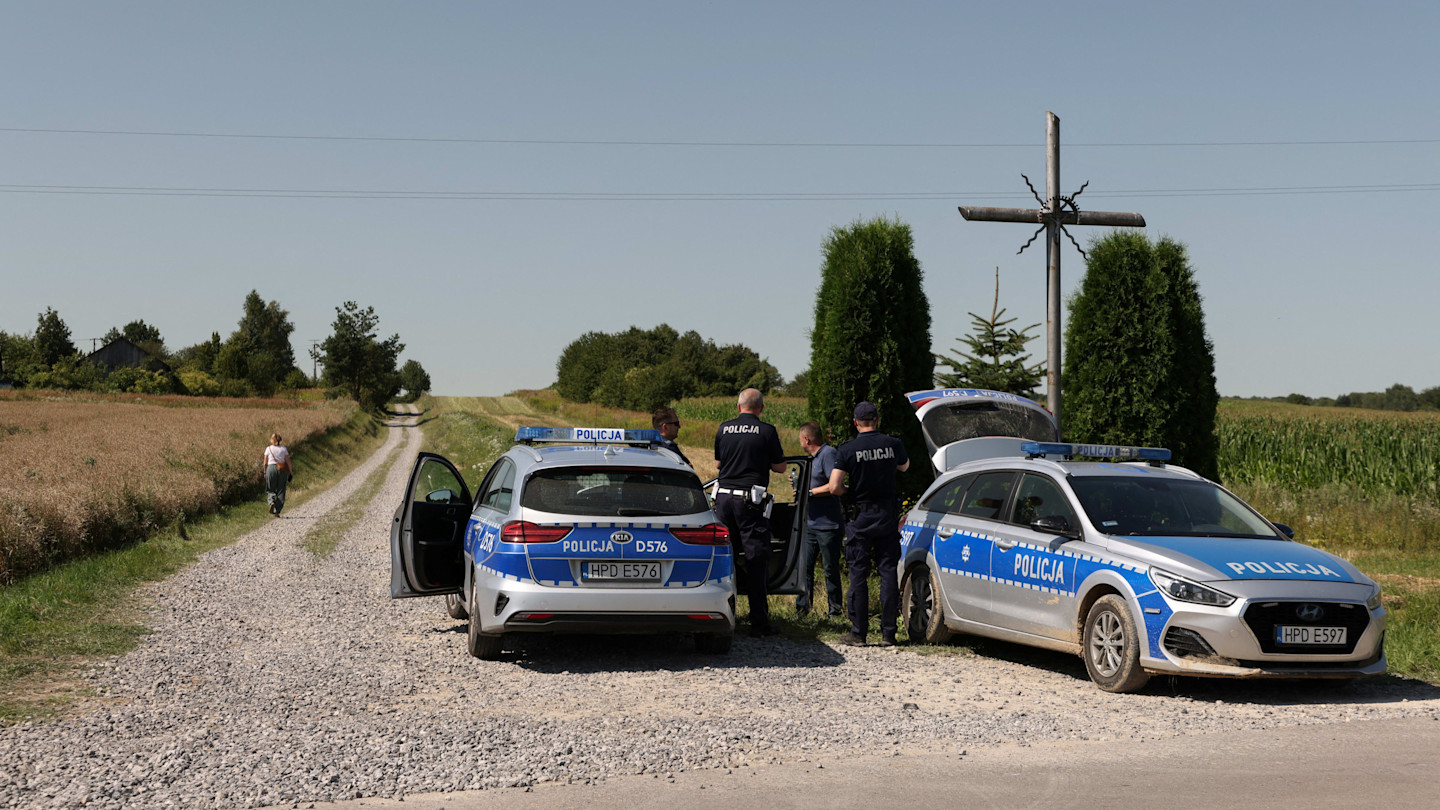
Poland and its neighbours have been alarmed by the growing number of cyber attacks, airspace violations and sabotage attempts against European targets that they consider part of a Russian campaign to undermine support for Ukraine.
In July, a Russian Kh-101 cruise missile crashed into a field and exploded in eastern Poland.
Officials from five European intelligence agencies have told the FT that senior executives at European defence companies were being targeted for assassination by Russian operatives.
German intelligence services have recently warned Russia’s “shadow war” was entering a new, potentially deadly phase. Berlin last month blamed Moscow for orchestrating a drone attack on Leipzig/Halle airport in August. The explosive device, which appeared to be aimed at a Ukrainian cargo plane, failed to detonate.
Sikorski called on European allies to respond to attacks attributed to the Kremlin by closing down Russian consulates, preventing Moscow’s diplomats from travelling freely across the countries of assignment and cutting down on the number of Russian diplomats altogether, as Poland has done.
“I’ve run out of consulates, but others still have consulates.”
Sikorski said all Russians entering the EU should be required to have a biometric passport to prevent operatives from travelling on false identities.
The minister also backed calls for a reduction in the number of EU tourist visas issued to Russians. Nearly 500,000 were issued last year.
“While we watch these videos of bridges in Kyiv being firebombed and . . . dead children being dragged out of apartment blocks, to hear of Russian tourists throwing around their wealth [in Europe] — it jars with me.”
German investigators believe one of the men responsible for the Leipzig/Halle airport attack was a Belarusian with a Russian passport who entered Germany on a tourist visa.
EU foreign ministers will discuss bloc-wide restrictions on the movement of Russian diplomats and possible tourist visa restrictions at a meeting in Luxembourg on Monday.
Sikorski called on all other EU countries “for their own sake” to call out Russian responsibility for hybrid attacks when they had sufficient evidence. Asked why some may be reluctant to do so, he said: “I don’t want to comment on others. Everybody has politics.”
Sikorski was speaking on a visit to London where he said he would lobby the UK government to invite Poland to the G20 summit in Manchester next year in return for Warsaw’s support for a British rapprochement with the EU. The UK takes over the presidency of the G20 group of leading economies in 2027.
Poland would support British efforts to get closer to the bloc.
“We think the EU was better and would be better with Britain in it,” he said.
“And we ask for reciprocity in getting us into the G20 because we think that what we’ve achieved [in economic development] over the last 30 years demands recognition.”